
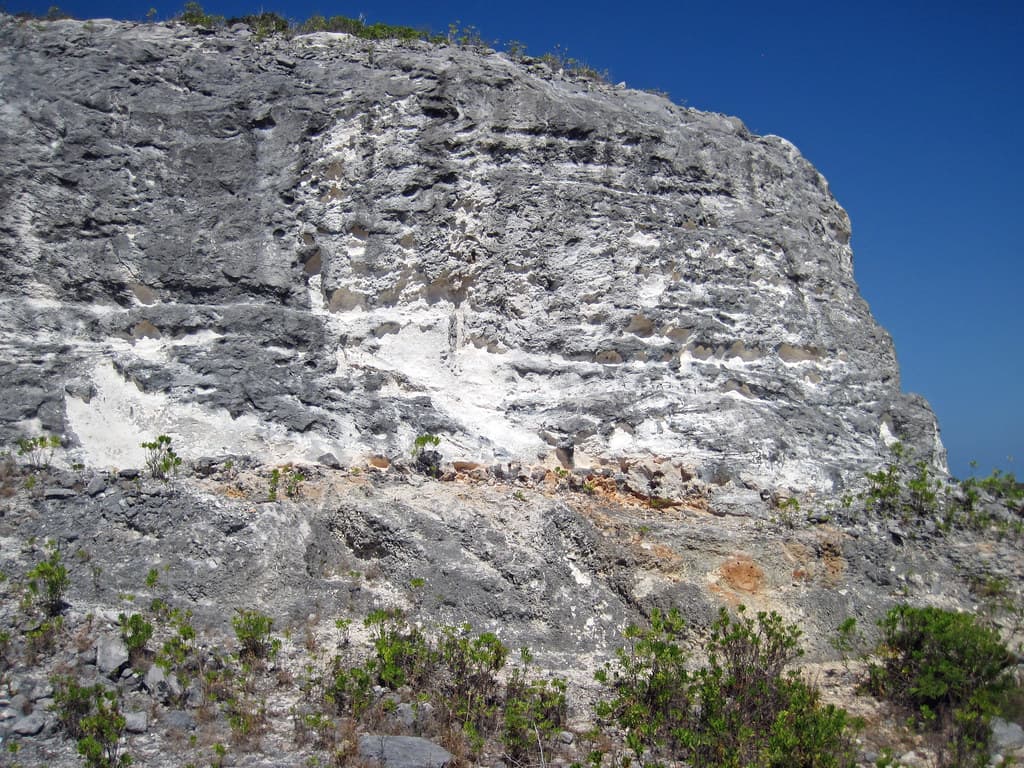
The Zodiac cuts through brash ice in the Antarctic Sound, and you step onto a shore built from the ruins of ancient eruptions. Brown Bluff's cliffs soar above you in layers of oxidized lava and ash, their rust and copper tones vivid against indigo icebergs grounded in the shallows. The beach itself is coarse black and amber stone, warmed imperceptibly by austral summer sun, crunching beneath your expedition boots as you navigate penguin highways worn smooth by thousands of webbed feet.
“Antarctica's only easily accessible beach where volcanic geology meets active penguin colonies beneath towering cliffs of fire-born rock.”
 Credit: Flickr
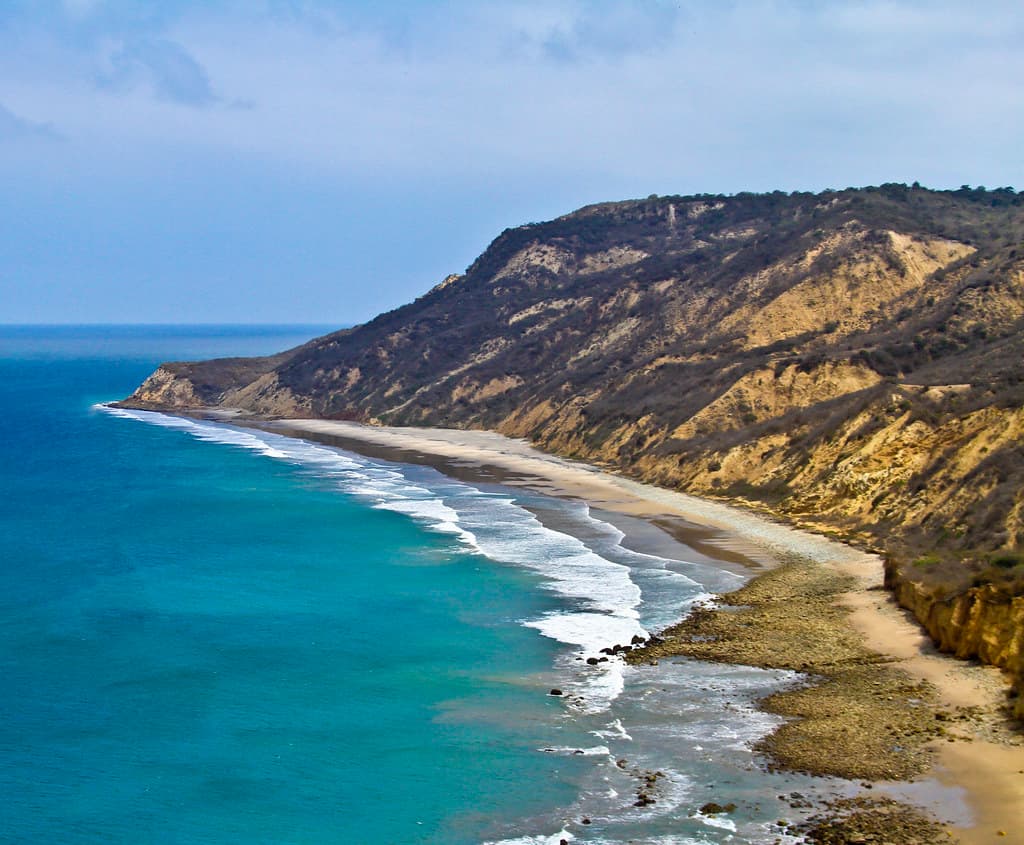
Manta Coastline
Adélie penguins nest in the scree slopes, their raucous colonies filling the air with braying calls and the sharp ammonia scent of guano. Gentoo penguins patrol the shoreline, porpoising through frigid shallows before belly-sliding onto stone. You watch them shake droplets from their feathers, each bead catching light before freezing mid-flight. The wind here is relentless—katabatic gusts pouring off the Antarctic plateau—whipping your hood and carrying ice crystals that sting exposed skin.
Above the high-tide mark, ice formations sculpted by wind resemble abstract installations: turquoise arches, sapphire caverns, frozen waterfalls suspended mid-cascade. You stand where the Weddell Sea meets the peninsula, surrounded by tabular bergs the size of city blocks, knowing that fewer people will touch this volcanic shore in a year than visit most beaches in an hour. The silence between wind gusts is absolute.


