
The zodiac grinds against the pebble beach with a sound like rolling marbles, and you swing your waterproof boot onto Cockburn Island knowing fewer than a thousand people have stood where you now stand. The shore curves in a low arc of gray and rust-colored stone, each piece rounded by the relentless polish of ice and tide. Behind you, the island rises in layered sedimentary bands—ochre, charcoal, bone-white—while ahead, the Weddell Sea stretches toward pack ice that glows pale blue under the austral sun.
“One of Earth's least-visited coastlines, where sedimentary cliffs reveal fossil records predating the continent's freeze.”
 Credit: Flickr
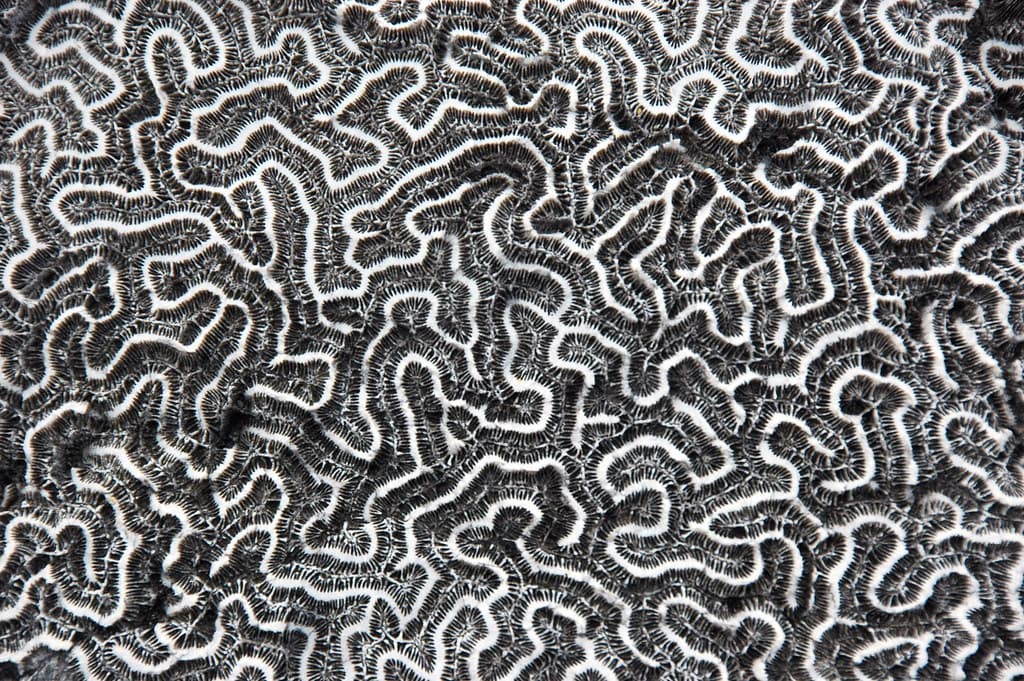
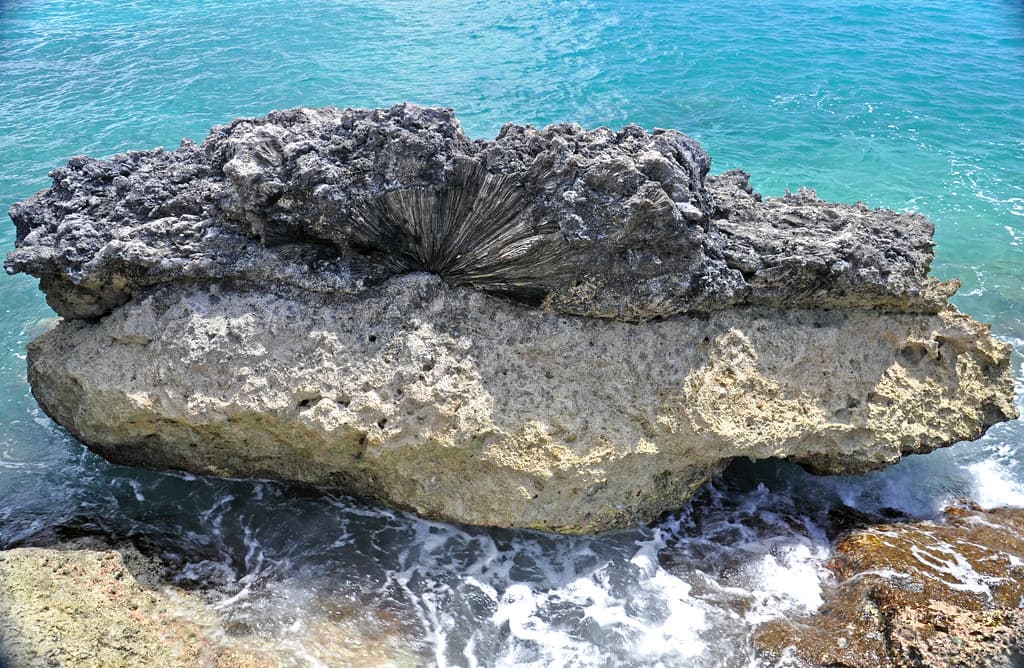
Diploria fossil brain coral on Devil's Point Hardground (Cockburn Town Member, Grotto Beach Formation, Upper Pleistocene, ~120-123 ka; Cockburn Town Fossil Reef, San Salvador Island, Bahamas) 3
This is not a beach for swimming or sunbathing. The water hovers just above freezing, and the wind carries the mineral smell of ancient stone and salt. Gentoo penguins waddle past with the distracted urgency of commuters, their tracks stitching patterns across the wet pebbles. You crouch to examine a stone streaked with fossil fragments—bivalves, perhaps, from when this frozen edge was a temperate sea.
Seymour Island looms across the sound, its fossil beds famous among paleontologists. But here, on Cockburn's quieter shore, you feel the weight of deep time without interpretation, without signage. Just wind, stone, ice, and the occasional crack of a calving berg echoing across the water like distant thunder.


