
The zodiac grounds on Paulet Island with a satisfying crunch, and you realize the beach isn't black—it's every shade of ochre and sienna, volcanic scoria polished smooth by centuries of ice melt and penguin traffic. The colony stretches from shoreline to summit, a living carpet of 200,000 Adélie penguins whose synchronized croaks create a soundscape louder than any city you've left behind. Guano streaks paint the slope white against russet scree, and the smell hits you in waves: fish, ammonia, the metallic tang of the Southern Ocean.
“One of Antarctica's densest penguin colonies shares a beach with a preserved shipwreck-survival camp from the heroic age of polar exploration.”
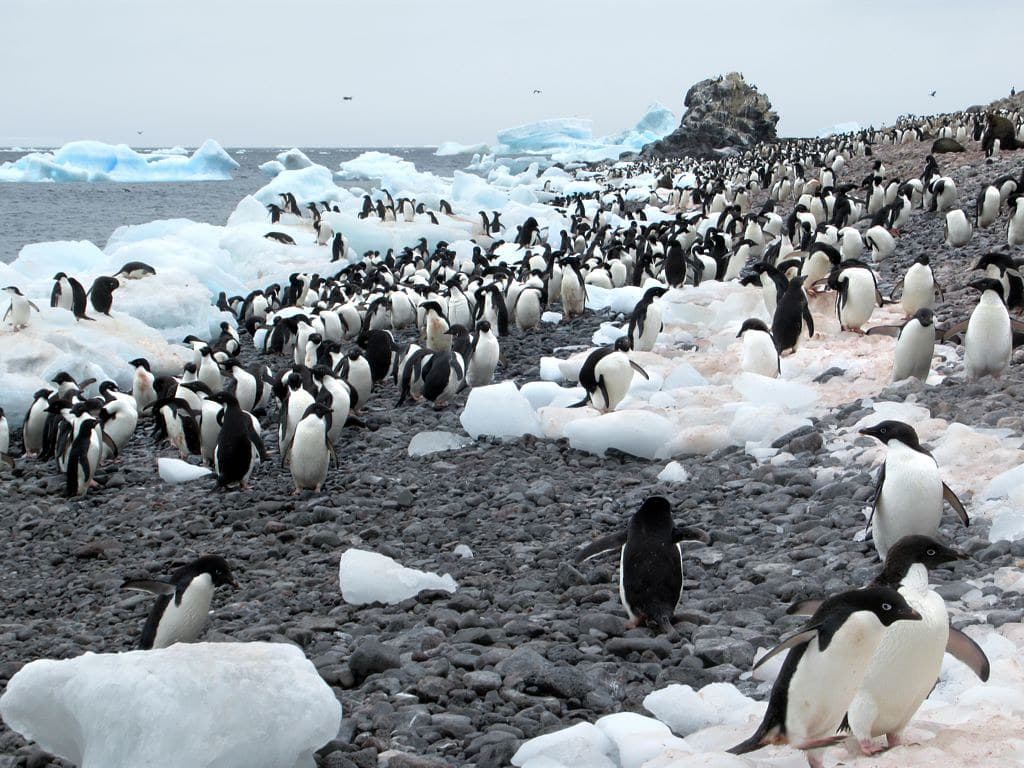 Credit: Flickr
Weddell Sea Beach
Above the rookery, a stone hut and cairn mark where Otto Nordenskjöld's Antarctic expedition overwintered in 1903 after their ship crushed in pack ice. You touch the lichen-crusted rocks they stacked, imagining seven months of darkness, blubber lamps, and penguin-meat sustenance. Today the penguins show no fear, tobogganing past your boots on their bellies, their tuxedo plumage flecked with mud and krill.
The beach faces northeast into the Antarctic Sound, where tabular icebergs the size of shopping malls drift on currents darker than ink. Leopard seal heads pop up between ice pans, tracking penguin highways to the sea. You photograph until your fingers stiffen inside your gloves, knowing no Instagram filter can convey the rawness—the way cold air sears your lungs, the way life persists on stones at the bottom of the world.


