
Winter Island sits tucked within the Argentine Islands archipelago, a scatter of rock outcrops where the Ukrainian Vernadsky Research Station anchors one of the most remote scientific communities on Earth. The beach itself is a crescent of dark, fist-sized pebbles worn smooth by millennia of ice and tide, framed by low cliffs streaked with lichen in improbable shades of chartreuse and rust. When you arrive by Zodiac, typically during the brief Antarctic summer, the silence is profound—broken only by the mewling of penguin colonies and the distant crack of calving ice.
“One of the few Antarctic beaches where you can share stones with nesting penguins while researchers monitor ozone depletion overhead.”
 Credit: Flickr
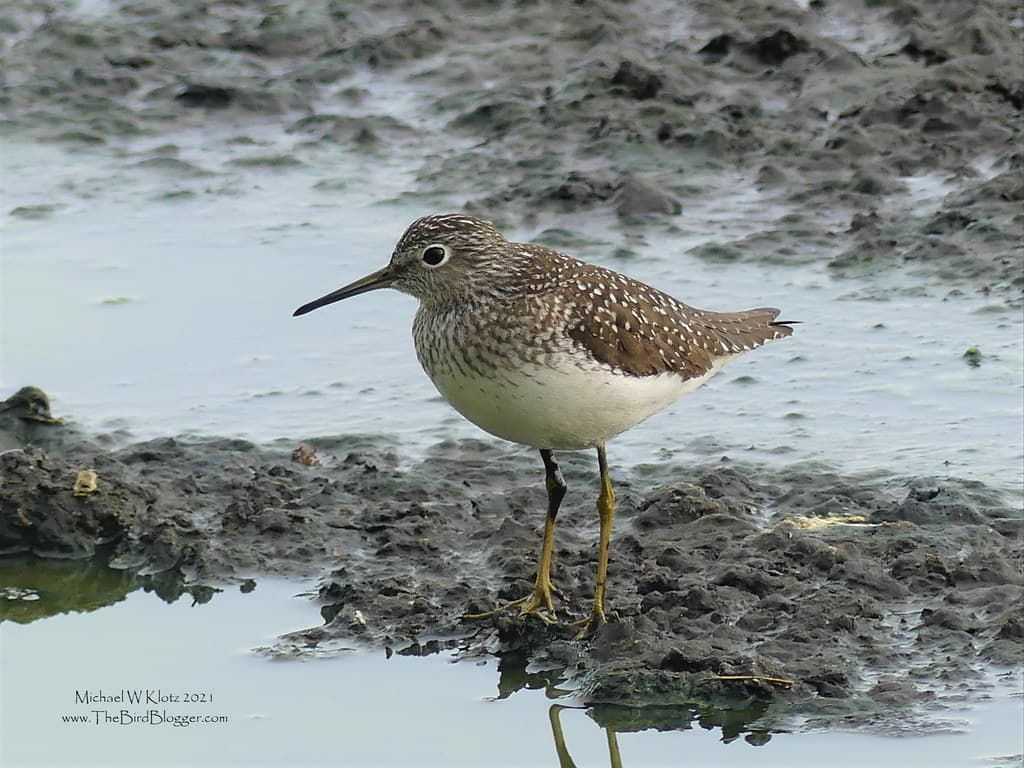
Solitary Sandpiper - Iona Beach Regional Park, BC
The shore serves as a landing point for expedition cruises threading through the Penola Strait, and stepping ashore feels like trespassing on a world that has no use for humans. Kelp gulls wheel overhead. Weddell seals bask on nearshore ice pans, their breath condensing in silver plumes. The pebbles shift and clatter underfoot with a sound unlike any beach in temperate latitudes, a percussion of stone against stone in sub-zero air.
Timing matters: arrive between November and March when the pack ice retreats and daylight stretches to twenty hours. The research station occasionally opens its bar—yes, a bar in Antarctica—where you can buy a shot of vodka distilled on-site and swap stories with scientists who winter over in total darkness. But the beach itself asks nothing of you except presence, a willingness to stand on the frozen margin of the world and feel how small, how recent, your species truly is.


