Counting the waves…
Counting the waves…
A refined fusion of water purity, environmental stability, and communal vibrancy for Playa Paradise Harbor.
View MethodologyAnalyzed via live sensors and environmental data.
Wave height, wind, and atmospheric stability.
Live footfall and crowd balance metrics.
Community reviews and curated sentiment.
“You step from the Zodiac onto wave-smoothed pebbles, the air sharp with brine and penguin guano. Behind you, glacial walls tower three stories high, groaning as ice fractures and tumbles into the harbor. This is Base…”
Limited recent visitor reports — live OBI telemetry is your best guide for current conditions.
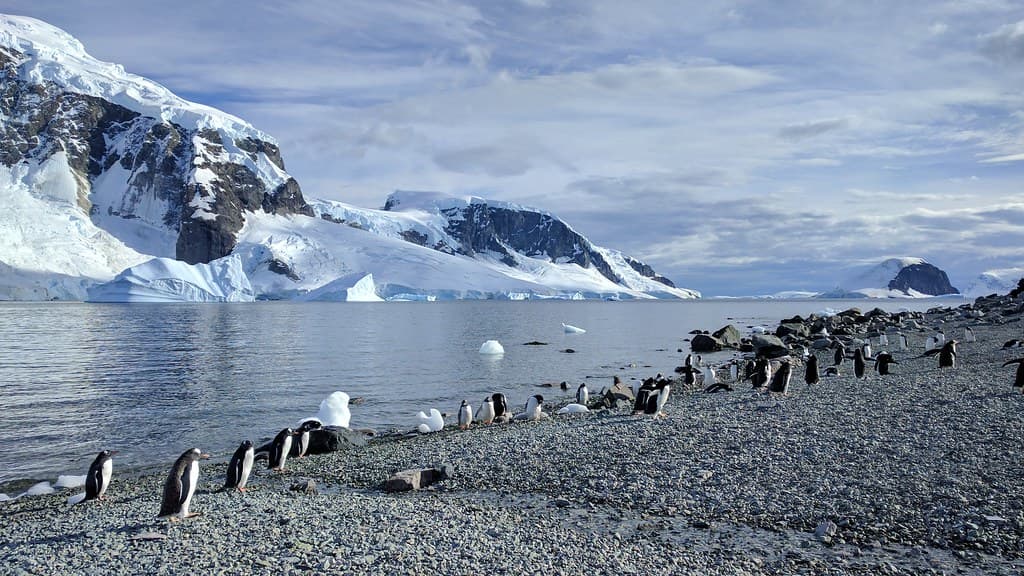
The crunch underfoot is deliberate, meditative—each pebble polished by centuries of ice melt and Southern Ocean surge. You scan the shoreline where gentoo penguins waddle between research-station ruins, their orange feet stark against charcoal stone. Paradise Harbor earned its name from whalers seeking refuge, not leisure, yet the irony holds: few places on Earth deliver such raw, unfiltered beauty.
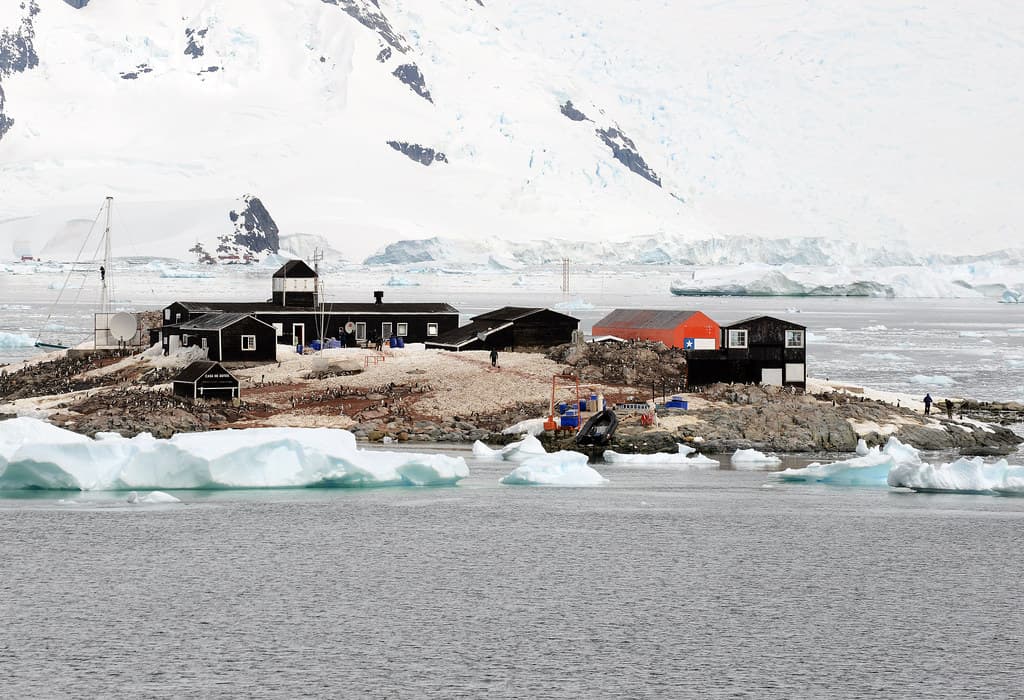
Base Brown itself stands partially burned—a 1984 fire forced its abandonment—but the weathered red buildings frame your photos with narrative weight. Glaciers dominate every sightline, their faces streaked cobalt and ivory, calving with percussive cracks that echo across the bay. Weddell seals lounge on ice fragments drifting past, indifferent to your camera's shutter.
Blue-ice faces fracture hourly
Fire-scarred Base Brown remains
Weddells rest on ice
Prime Visitation
Best Weather | Less Crowds
Where it is
Playa Paradise Harbor
Base Brown, Antártida e Islas del Atlántico Sur, Argentina
-64.894200°, -62.867400°
Weather
Loading…
Swell
—
Temp
Warm · Restorative
UV Index
Moderate
Wind
—
Tidal State
Last known
Max Sunlight
—
Ideal Shade
—
Jan - Dec (Peak)
Mar - Nov (Off-season)
Best Weather | Less Crowds
Select a category to load nearby places.
Unlock restaurants, luxury stays and curated maritime experiences within 2km
Swimming is not recommended at Paradise Harbor due to extremely cold Antarctic waters that hover around -2°C to 2°C year-round, which can cause cold shock and hypothermia within minutes. The beach is primarily visited for zodiac landings and wildlife observation during expedition cruises. Visitors should follow strict Antarctic Treaty guidelines, maintain safe distances from wildlife, and never enter the water. The pebble shore can be slippery, so proper footwear is essential for safe landing and walking.
The best time to visit Paradise Harbor is during the Antarctic summer, from November to March, when expedition ships can navigate the waters and weather conditions are most favorable. December and January offer the longest daylight hours and relatively milder temperatures around freezing. November is excellent for pristine snow landscapes, while February and March provide better whale-watching opportunities. Most cruise operators schedule visits during these months when ice conditions permit safe zodiac landings at the beach near Base Brown.
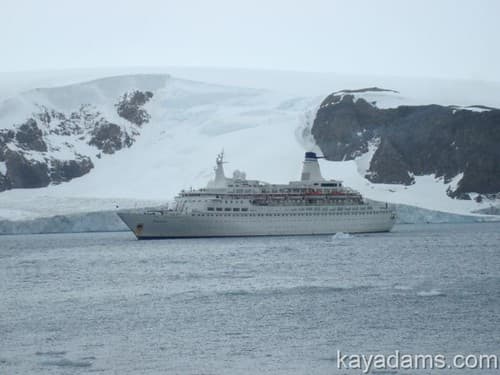
Access to Playa Paradise Harbor is exclusively via expedition cruise ships that depart from Ushuaia, Argentina, typically requiring a 2-day Drake Passage crossing. Once in Antarctic waters, passengers transfer to zodiac boats for wet landings on the pebble beach. No independent travel is permitted to Antarctica; all visits must be through authorized tour operators following Antarctic Treaty regulations. The journey typically involves 10-21 day expeditions, with Paradise Harbor being a popular stop on the Antarctic Peninsula itinerary.
There are no commercial food or lodging facilities at Paradise Harbor. Base Brown is a small, often unmanned Argentine research station with no tourist accommodation. All visitors stay aboard their expedition cruise ships, which provide full meals and lodging. These vessels range from small expedition ships to larger cruise ships, all equipped with dining facilities, cabins, and amenities. Day visits to the beach typically last 1-2 hours before passengers return to their ship, which serves as the floating base for the entire Antarctic journey.
Paradise Harbor lives up to its name as one of Antarctica's most photogenic locations, offering dramatic compositions of towering glaciers, floating icebergs, and mirror-like waters reflecting surrounding peaks. The sheltered bay creates calm conditions ideal for capturing reflections, while the pebble beach provides foreground interest for landscape shots. Wildlife including gentoo penguins, Weddell seals, and humpback whales frequent the area. The combination of glacial calving opportunities, varying light conditions during the extended summer days, and pristine wilderness makes it exceptionally Instagrammable and popular among expedition photographers.
Photos