
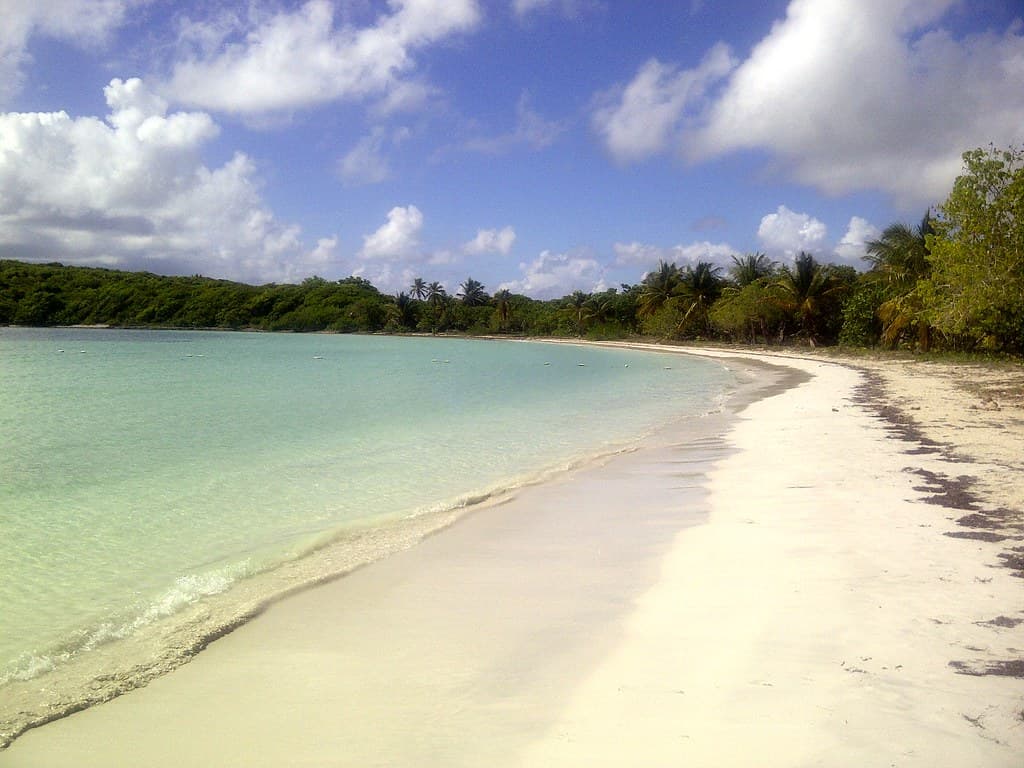
Half Moon Island curls into the South Shetlands like a cupped hand, its beach a study in monochrome: charcoal stones, white ice, slate-gray water. You arrive by inflatable boat from an expedition ship, stepping carefully where the tide has sorted pebbles by size—larger cobbles near the waterline, smaller ones inland where they dry to a lighter ash tone. The crunch underfoot is constant, a percussion section to the guttural braying of penguins that nest on the slopes above.
“This is Antarctica's most accessible penguin rookery beach, where wildlife outnumbers visitors so dramatically that you're the exotic species.”
 Credit: Flickr
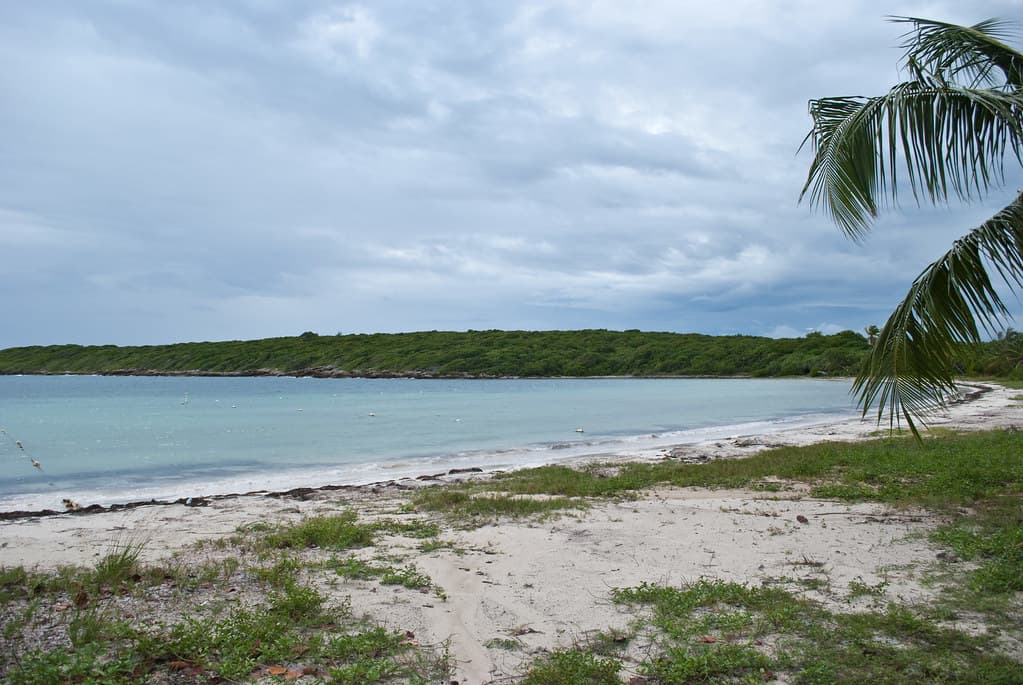
playa media luna
Cámara Station sits a short walk from the beach, its red buildings a jarring note of human geometry against the organic chaos of rookeries and ice. You'll share the strand with breeding chinstraps during austral summer, their nests built from stolen stones identical to those beneath your feet. Elephant seals claim the choicest spots, forcing you to detour around their blubbery bulk. The cold seeps through your parka—not the biting wind-chill of the interior, but a damp, penetrating cold that rises from the Southern Ocean itself.
The beach faces Livingston Island's glaciated peaks across the strait, where tabular icebergs drift like slow-motion architecture. On rare windless days, the water reflects everything with such fidelity you'll pause mid-step, uncertain which way is up. But the pebbles always tell the truth: they shift and settle, alive beneath your weight.


