
Baily Head sits on the raw outer coast of Deception Island, a flooded volcanic crater in the South Shetlands where the shoreline is still exhaling heat. You land by Zodiac through a notch in the caldera called Neptune's Bellows, then hike overland to reach this exposed crescent of obsidian grit. The beach stretches beneath rust-streaked cliffs, waves rolling in from the Drake Passage with a force that makes every landing an exercise in timing and nerve.
“Nowhere else can you stand on warm volcanic sand while surrounded by six-figure penguin colonies and patrolled by apex marine predators.”
 Credit: Flickr
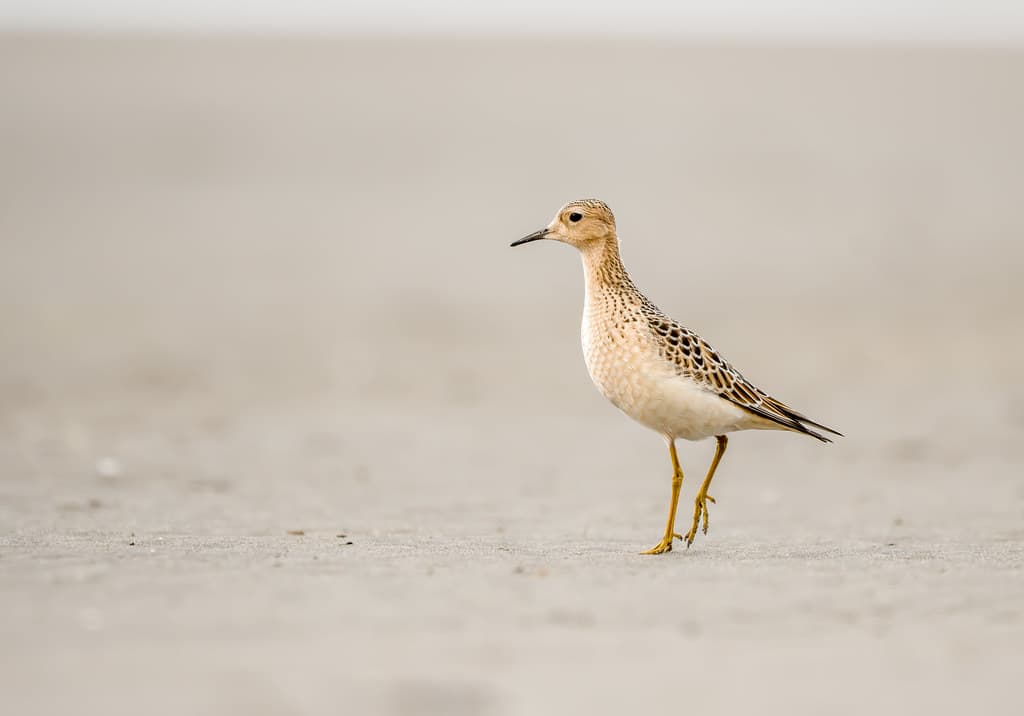
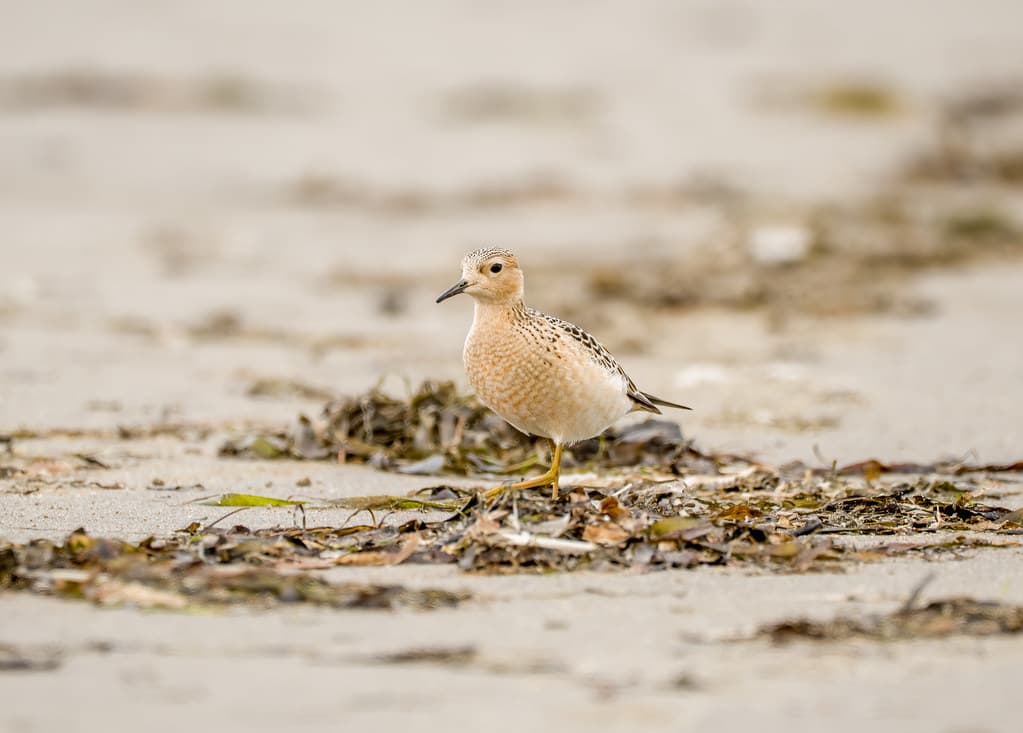
Buff-breasted sandpiper
The real draw is biological theatre on an epic scale. Chinstrap penguins—named for the thin black line beneath their beaks—cover every available slope in raucous, shuffling density. They toboggan down snowfields, bicker over pebbles, and march in unbroken columns to and from the surf. You stand amid the din, careful not to approach closer than five meters, watching chicks beg and adults projectile-defecate with startling accuracy. The smell is pungent, ammoniac, unforgettable.
Summer here—November through February—brings near-perpetual daylight and marginally forgiving weather. Temperatures hover just above freezing, winds gust without warning, and the black sand absorbs what little solar warmth penetrates the overcast. You wear layers, keep your camera inside your parka between shots, and accept that conditions can shift in minutes. This is Antarctica unfiltered: no infrastructure, no safety net, just you and a landscape still shrugging off its last eruption.


