
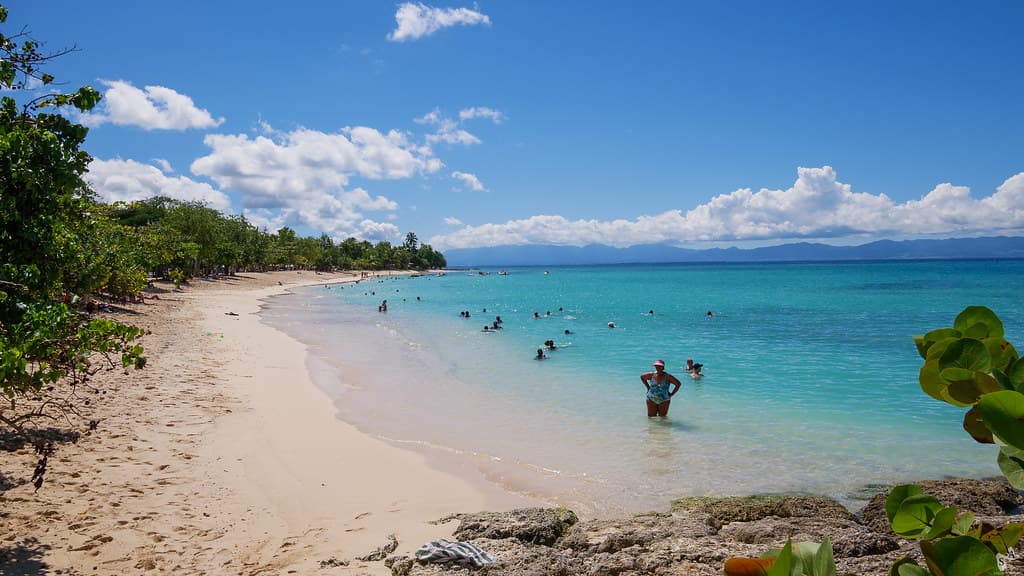
Port Louis Beach stretches along the northern coast of East Falkland, where the sheltered waters of Berkeley Sound meet land that once held France's tentative foothold in these latitudes. You walk across blonde sand scattered with smooth pebbles, the ruins of Louis Antoine de Bougainville's settlement standing silent watch just inland. The wind here never truly stops—it shapes the tussock grass into waves that mirror the sea, and it brings with it the calls of upland geese and the occasional Magellanic penguin waddling between colonies.
“The Falklands' oldest European settlement site meets an undeveloped beach where colonial history and seabird colonies share the same windswept strand.”
 Credit: Flickr
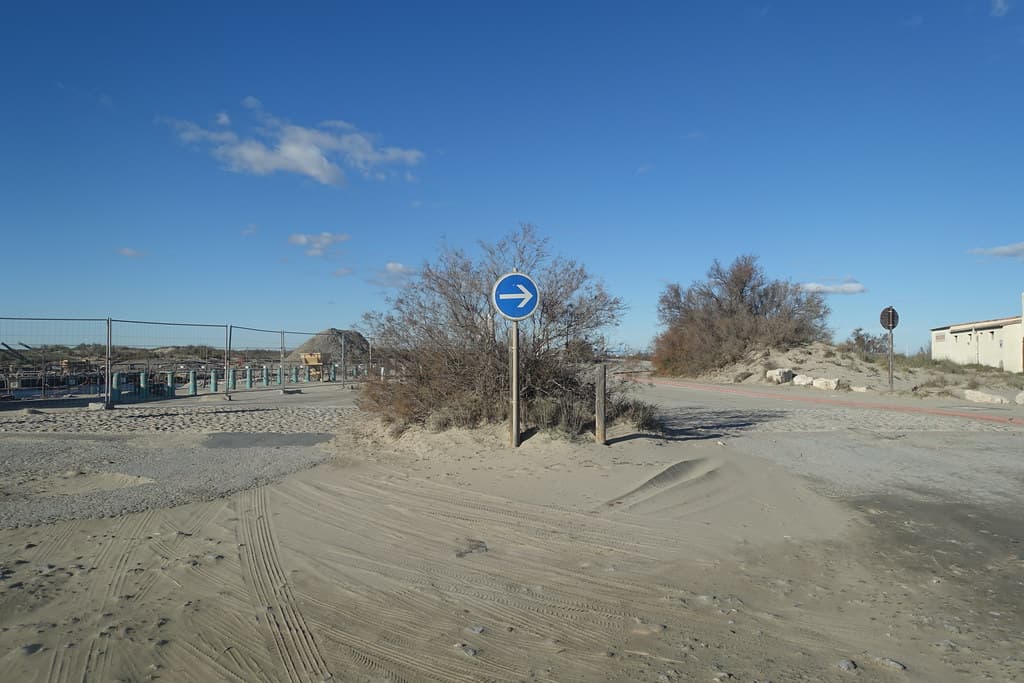
sandy road
The water stays cold year-round, hovering around 5°C even in the austral summer, but the beach offers something rarer than warm swimming: solitude measured in square miles. You might spot a Sea Lion hauled out on the rocks at the harbor's edge, or watch caracaras patrol the wrack line for anything edible the tide has delivered. The settlement cemetery nearby holds graves dating to the 1840s, their inscriptions worn smooth by decades of Antarctic winds.
Timing your visit between November and March gives you the longest daylight and the least chance of horizontal rain, though even summer days here demand layers. The beach faces north, catching what little warmth the sun offers at 51 degrees south, and on rare calm evenings the light turns the water bronze while shadows stretch across sand that has cradled shipwreck survivors, sealers, and dreamers for two and a half centuries.


