
Counting the waves…
Counting the waves…
A refined fusion of water purity, environmental stability, and communal vibrancy for Whale Point Beach.
View MethodologyAnalyzed via live sensors and environmental data.
Wave height, wind, and atmospheric stability.
Live footfall and crowd balance metrics.
Community reviews and curated sentiment.
“You'll share the sand with Magellanic penguins waddling to shore and elephant seals hauled out on kelp-strewn rocks. The wind bites, the sky stretches impossibly wide, and the only footprints you'll find are likely your…”
Limited recent visitor reports — live OBI telemetry is your best guide for current conditions.
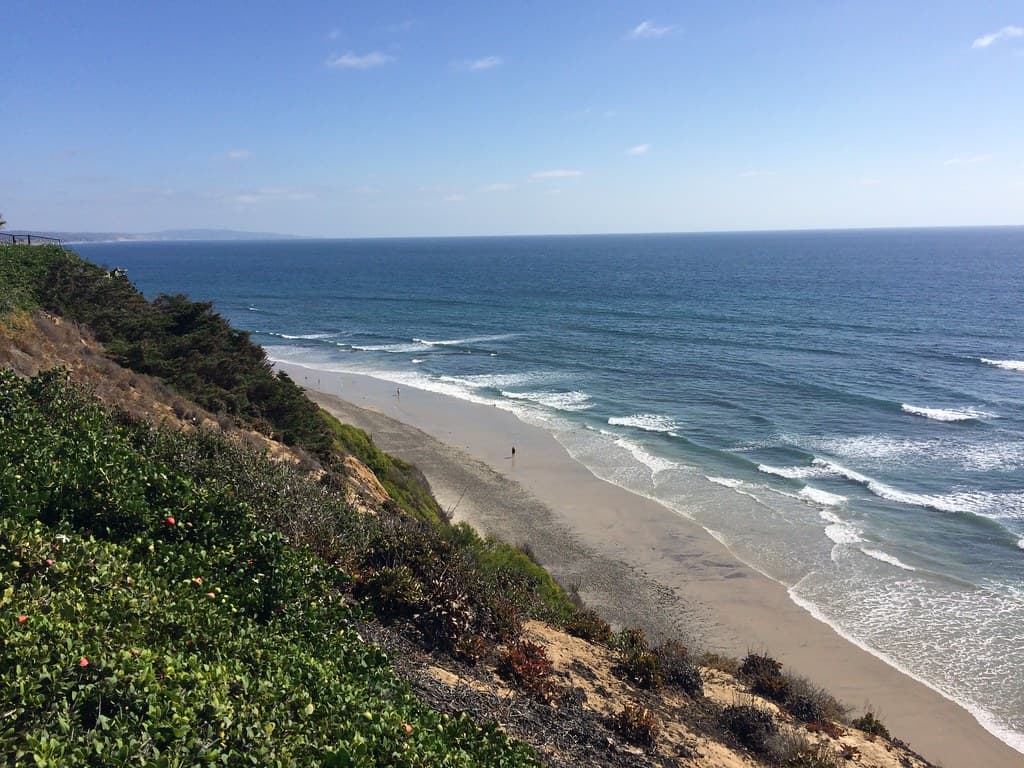
The gravel track ends where the land slopes toward Whale Point, and you step onto sand the color of weathered bone. Tussac grass bends in the perpetual wind, its fibrous clumps framing a beach where nature conducts its business with total indifference to human schedules. Elephant seals grunt from their positions on the strand line, while Magellanic penguins emerge from the surf, their tuxedo plumage slick and glistening.
You've traveled to one of the least populated coastlines in the South Atlantic, where the horizon is an unbroken seam between gunmetal water and massive sky. The sand stretches in both directions, interrupted only by black volcanic rock and mounds of bull kelp that pop underfoot. Skuas wheel overhead, their calls sharp against the wind's steady roar. The water temperature hovers around 45°F year-round—this is not a swimming beach, but a theater of survival.
Crashing wave at sunset on the shoreline
Magellanic colonies at close range
Tussac headlands and seal viewpoints
Southern right whales offshore winter
Prime Visitation
Best Weather | Less Crowds
Where it is
Whale Point Beach
East Falkland, Antártida e Islas del Atlántico Sur, Argentina
-51.895400°, -58.308600°
Weather
Loading…
Swell
—
Temp
Warm · Restorative
UV Index
Moderate
Wind
—
Tidal State
Last known
Max Sunlight
—
Ideal Shade
—
Jan - Dec (Peak)
Mar - Nov (Off-season)
Best Weather | Less Crowds
Select a category to load nearby places.
Unlock restaurants, luxury stays and curated maritime experiences within 2km
Swimming at Whale Point Beach is not advisable due to extremely cold South Atlantic waters and potentially hazardous conditions. Water temperatures rarely exceed 8°C even in summer, posing significant hypothermia risks. The remote location means emergency assistance would be delayed. Strong currents and unpredictable weather add further safety concerns. The beach is best enjoyed for coastal walks, wildlife observation, and experiencing the raw natural environment. If you must enter the water, wear appropriate protection and never go alone or out of sight of companions.
Plan your visit to Whale Point Beach between November and March during the austral summer when weather conditions are most favourable and wildlife activity peaks. During these months, temperatures are relatively mild (though still cool by most standards), daylight extends significantly, and seabird colonies are active with nesting and breeding. Weather remains changeable year-round, so prepare for wind and possible rain even in summer. The remote location means you'll encounter few other visitors regardless of season, offering peaceful natural scenery and excellent wildlife watching opportunities.
Reaching Whale Point Beach requires careful planning as it's in a remote area of East Falkland with limited road access. Most visitors arrange transportation through Stanley-based tour operators offering 4WD excursions or join guided wildlife tours that include the area. Self-driving is possible with a suitable vehicle and proper navigation equipment, but local knowledge is invaluable. Some areas may require crossing private land, so obtaining permission beforehand is essential. Always check weather forecasts, road conditions, and inform others of your itinerary when visiting this isolated location.
Whale Point Beach has no facilities, services, or nearby accommodations due to its remote East Falkland location. Visitors must be completely self-sufficient, bringing food, water, and emergency supplies. Stanley serves as the main base for visiting, offering hotels, guesthouses, shops, and restaurants. The beach is typically visited as a day trip or as part of multi-day tours with camping arrangements. Some farms in the area may offer basic lodging by advance arrangement. Always pack adequate provisions, warm clothing, and be prepared for changeable weather without access to shelter.
Whale Point Beach offers outstanding wildlife viewing opportunities typical of remote Falkland Islands coastline. Visitors frequently observe various seabird species, including petrels, skuas, and cormorants. Marine mammals such as seals and sea lions often rest on beaches or swim in nearshore waters. Depending on season and location, penguins may be spotted, particularly Magellanic or Gentoo species. The open landscape and undisturbed environment create ideal conditions for wildlife photography and observation. Maintain respectful distances from all animals and follow Falkland Islands wildlife viewing guidelines to minimize disturbance.
Photos