Counting the waves…
Counting the waves…
A refined fusion of water purity, environmental stability, and communal vibrancy for King Edward Cove Beach.
View MethodologyAnalyzed via live sensors and environmental data.
Wave height, wind, and atmospheric stability.
Live footfall and crowd balance metrics.
Community reviews and curated sentiment.
“You step onto smooth volcanic stones still cold from the Southern Ocean, breathing air so sharp it stings your lungs. Rusted whaling station chimneys frame the cove while fur seals bark from kelp-draped rocks, and the…”
Limited recent visitor reports — live OBI telemetry is your best guide for current conditions.
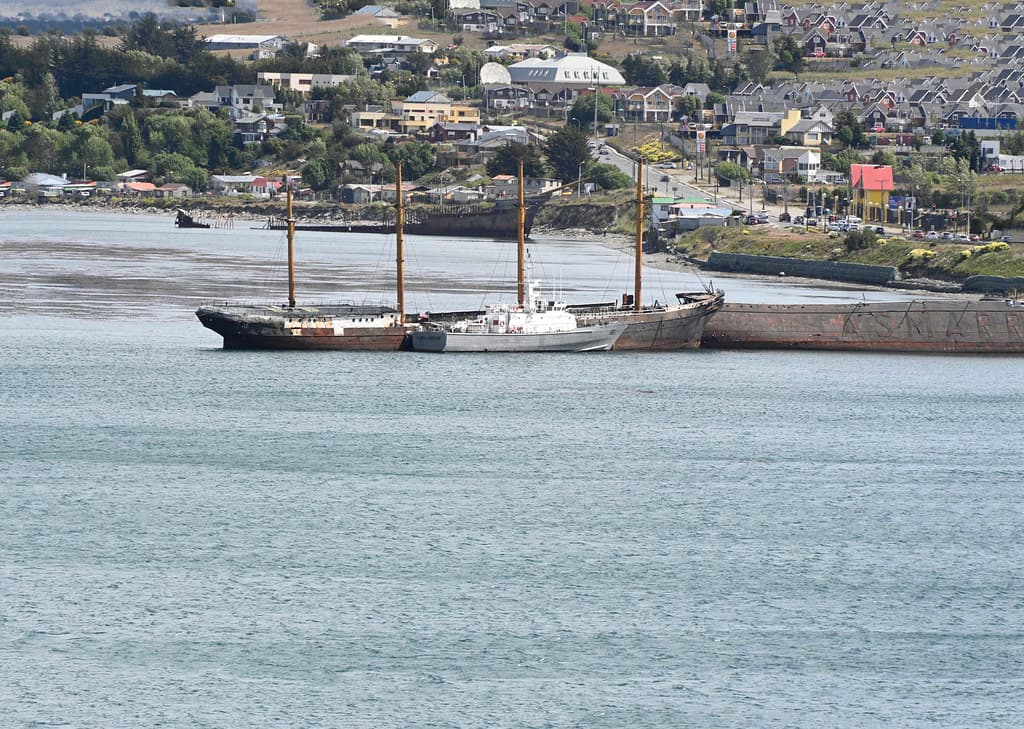
King Edward Cove curls into South Georgia's jagged coastline like a nautical comma, its charcoal pebble beach serving as landing zone for zodiac boats ferrying expedition passengers to Shackleton's grave. You crunch across stones worn glassy by Antarctic swells, surrounded by the skeletal remains of Norwegian whaling infrastructure—rusted tryworks and listing barrels that tell a century of brutal industry. The air carries brine, guano, and the metallic scent of glacier melt.
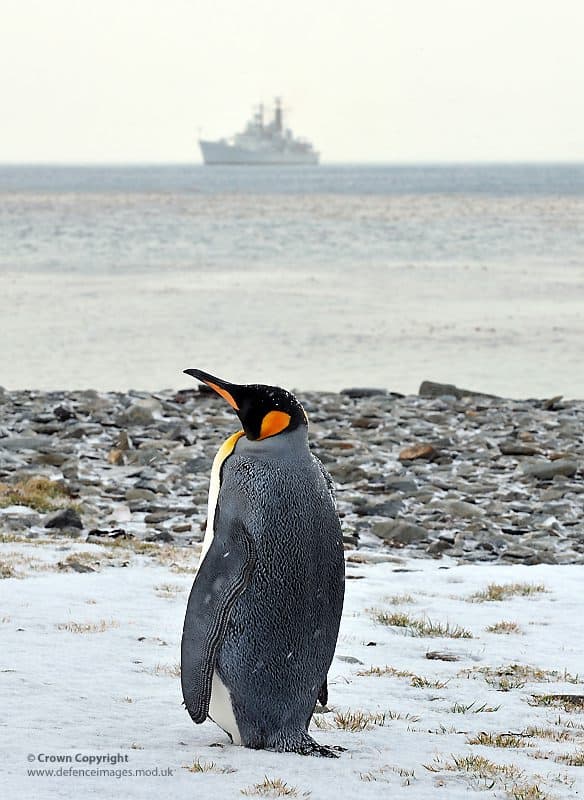
Elephant seals sprawl across the upper beach in undulating heaps of blubber, their guttural belches punctuating the wind. King penguins waddle past with aristocratic indifference, their orange neck patches vivid against grey skies. The water never warms beyond thirty-four degrees; waves arrive clean and relentless from the Scotia Sea, polishing stones into ammunition-smooth ovals that click underfoot with every step.
Colony walks beach perimeter daily
Cemetery overlooks cove, fifteen minutes
Exterior shots, interior entry restricted
Prime Visitation
Best Weather | Less Crowds
Where it is
King Edward Cove Beach
Grytviken, Antártida e Islas del Atlántico Sur, Argentina
-54.285600°, -36.497800°
Weather
Loading…
Swell
—
Temp
Warm · Restorative
UV Index
Moderate
Wind
—
Tidal State
Last known
Max Sunlight
—
Ideal Shade
—
Jan - Dec (Peak)
Mar - Nov (Off-season)
Best Weather | Less Crowds
Select a category to load nearby places.
Unlock restaurants, luxury stays and curated maritime experiences within 2km
Swimming is extremely unsafe and strongly discouraged at King Edward Cove Beach. Water temperatures remain near freezing throughout the year, creating immediate hypothermia danger. The beach is a working area for research station operations and boat landings, making it unsuitable for recreational water activities. Wildlife including fur seals can be aggressive and territorial. Visitors should remain on designated paths, maintain safe distances from all animals, and focus on shoreline exploration while wearing appropriate cold-weather clothing and following expedition guide instructions.
Visit King Edward Cove Beach between November and March during South Georgia's summer season when conditions are most favorable and expedition cruises operate regularly. December through February offers the best combination of weather, wildlife activity, and longer daylight hours. This timing coincides with penguin breeding seasons and increased seal activity. The cove's sheltered position sometimes provides relatively calmer conditions compared to more exposed South Georgia beaches. However, expect unpredictable sub-Antarctic weather with possible snow, rain, or wind year-round.
King Edward Cove Beach is accessible only via expedition cruise ships that include South Georgia in their itineraries. Most voyages depart from Ushuaia, Argentina, requiring a two-day ocean crossing through notoriously rough seas. Upon arrival, passengers transfer to shore via Zodiac inflatable boats from anchored vessels. The cove serves as the main landing point for Grytviken, making it one of the most frequently visited sites on South Georgia. All visits require advance booking through licensed tour operators and proper government permits.
No hotels or restaurants exist at King Edward Cove Beach. All visitor accommodation and dining is provided aboard expedition cruise ships anchored in the cove. The adjacent Grytviken settlement has a small British Antarctic Survey research station and museum, but offers no tourist lodging or food services. The museum has a small gift shop, and visitors can visit Shackleton's grave at the nearby cemetery. Day visits typically last several hours before passengers return to their ship for meals and overnight accommodation.
King Edward Cove Beach provides access to Grytviken, South Georgia's most significant historic site and former whaling station. Visitors can explore the South Georgia Museum housed in the old whaling manager's residence, the Norwegian Church, and Ernest Shackleton's grave in the whalers' cemetery. Rusting whaling equipment and abandoned buildings offer fascinating industrial archaeology. Wildlife frequently encountered includes fur seals, elephant seals, and various seabirds. The protected cove offers stunning mountain and glacier views, making it an essential stop on South Georgia expeditions.