
The stones shift under your boots with each step, a persistent rattle that mingles with the guttural calls of fur seals hauled out along the tideline. Penguin River Beach sprawls beneath the rust-streaked remnants of South Georgia's whaling era, where flensing platforms and oil tanks stand skeletal against slopes patched with tussock grass. The water is gunmetal gray, flecked with brash ice drifting in from glaciers you can see calving in slow motion across Cumberland Bay.
“One of the few Antarctic shores where you walk among active wildlife colonies beside a preserved whaling settlement.”
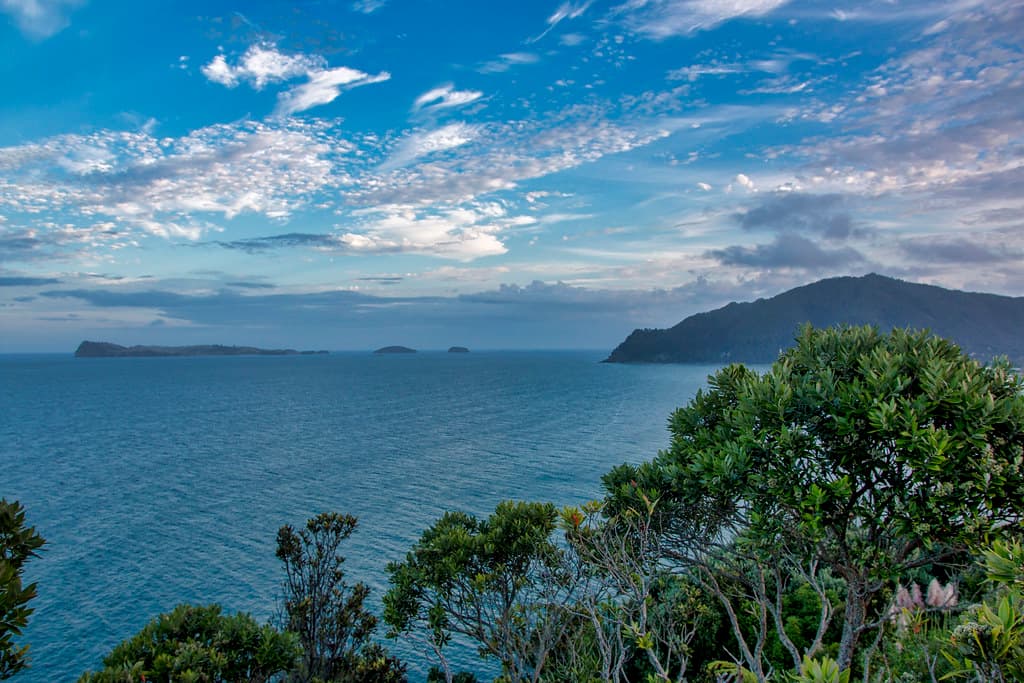 Credit: Flickr
Slipper, Penguin and Rabbit Islands as viewed from Mount Paku
You won't swim here—the Southern Ocean hovers near freezing year-round—but you'll crouch low to photograph king penguins waddling past in unhurried columns, their orange throat patches vivid against the monochrome shore. Skuas patrol overhead. The wind carries brine and guano, and occasionally the sweet-rot smell of kelp piled high after storms. Most expedition ships anchor here during the austral summer, November through March, when daylight stretches past midnight and wildlife activity peaks.
Grytviken's museum and cemetery sit a short walk inland, where you'll find whalers' graves and Ernest Shackleton's final resting place. But the beach itself belongs to the animals. You share it on their terms, stepping wide around territorial bulls and yielding the right-of-way to penguins threading between cobbles worn smooth by centuries of swells rolling up from the Scotia Sea.


