Counting the waves…
Counting the waves…
A refined fusion of water purity, environmental stability, and communal vibrancy for Byers Peninsula Beach.
View MethodologyAnalyzed via live sensors and environmental data.
Wave height, wind, and atmospheric stability.
Live footfall and crowd balance metrics.
Community reviews and curated sentiment.
“You step from the zodiac onto a shoreline where glacial melt meets the Drake Passage, and the only footprints belong to gentoo penguins. The air bites at minus-two Celsius, carrying the ammonia tang of guano and seal…”
Limited recent visitor reports — live OBI telemetry is your best guide for current conditions.
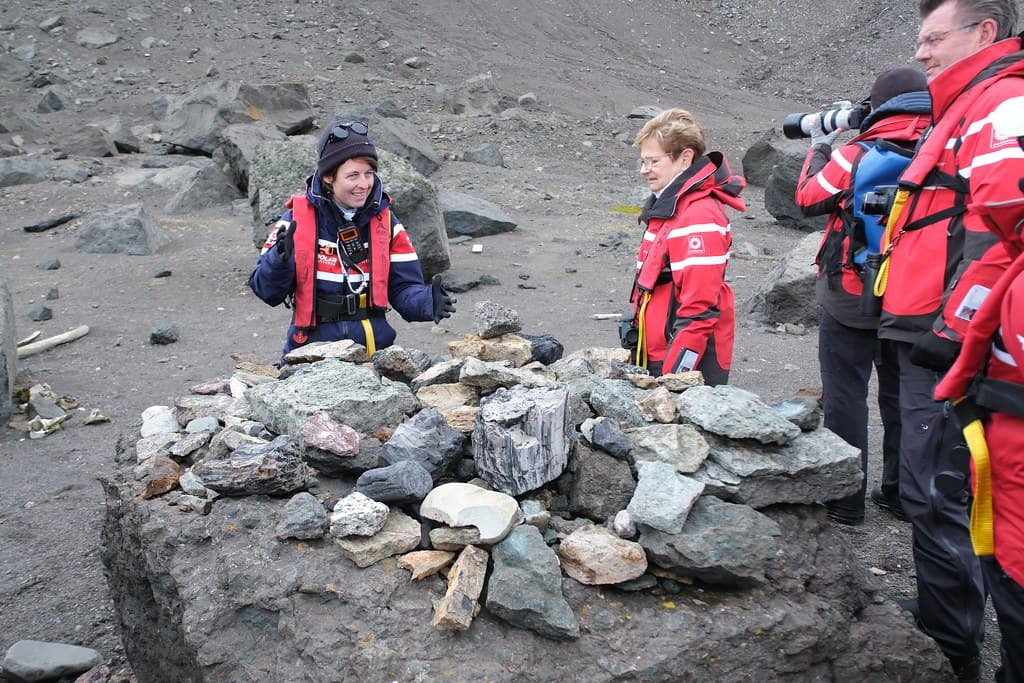
Byers Peninsula sprawls across Livingston Island's western tip as Antarctica's largest ice-free expanse, and its pebble beach serves as the threshold to a protected wilderness where research stations stand silent against white horizons. You navigate these shores by zodiac, the rubber hull scraping against volcanic stones smoothed by millennia of polar weather. Elephant seals lounge in blubbery heaps along the waterline, oblivious to your presence, while Antarctic terns dive for krill in the shallows.
The beach itself refuses conventional beauty—no sand, no warmth, no shelter. Instead, you find geological theater: rust-colored rocks streaked with lichen, moss beds that have survived countless winters, and ice formations that calve from nearby glaciers with percussive cracks. Summer temperatures hover just above freezing, and the wind pulls moisture from your lips even as you marvel at the midnight sun hovering above the South Shetland archipelago.
Keep five-meter wildlife distance
Mossy plateaus beyond beach
Telephoto captures ice breaks
Prime Visitation
Best Weather | Less Crowds
Where it is
Byers Peninsula Beach
Livingston Island, Antártida e Islas del Atlántico Sur, Argentina
-62.654800°, -61.078600°
Weather
Loading…
Swell
—
Temp
Warm · Restorative
UV Index
Moderate
Wind
—
Tidal State
Last known
Max Sunlight
—
Ideal Shade
—
Jan - Dec (Peak)
Mar - Nov (Off-season)
Best Weather | Less Crowds
Select a category to load nearby places.
Unlock restaurants, luxury stays and curated maritime experiences within 2km
Swimming is unsafe at Byers Peninsula Beach due to frigid Antarctic waters that remain near or below freezing throughout the year. Water temperatures range from -2°C to 2°C, causing rapid onset hypothermia. The beach's exposed location creates challenging surf and unpredictable currents. With no rescue infrastructure and medical facilities limited to expedition ships, water activities pose extreme risk. Visitors should remain on shore and maintain safe distances from the water's edge, following expedition guide instructions.
Visit between December and February during the Antarctic summer when conditions are most favorable. This period offers temperatures around 0°C to 5°C, extended daylight hours up to 20 hours daily, and reduced sea ice coverage enabling boat access. January typically provides the most stable weather for landings. Byers Peninsula is an Antarctic Specially Protected Area with restricted access, so visits must be coordinated through authorized expedition operators with proper permits during the brief austral summer season.
Access requires joining an authorized Antarctic expedition cruise that includes Livingston Island in its itinerary. After flying to Ushuaia, Argentina, travelers embark on a ship for the two-day Drake Passage crossing. Landing at Byers Peninsula is via Zodiac inflatable boats from the expedition vessel, weather and sea conditions permitting. As a protected area, visits require advance permits and are limited to specific authorized operators. All movements must follow strict environmental protocols to preserve this wilderness area.
Byers Peninsula Beach has zero infrastructure, facilities, or accommodations. As an Antarctic Specially Protected Area, human structures are prohibited to preserve its pristine scientific and ecological value. All visitors must stay aboard expedition cruise ships anchored offshore, which provide sleeping quarters, meals, and bathroom facilities. Shore visits are brief excursions with no amenities available on land. Visitors must carry out all waste and leave no trace of their presence per Antarctic Treaty regulations.
Byers Peninsula supports diverse Antarctic wildlife including several penguin species, particularly gentoo and chinstrap penguins during breeding season. Southern elephant seals and Antarctic fur seals frequent the beaches. The area hosts numerous seabird species including skuas, petrels, and terns. The ice-free terrain during summer provides important habitat for mosses, lichens, and unique terrestrial ecosystems. Wildlife viewing opportunities are excellent, but visitors must maintain minimum approach distances as required by Antarctic conservation guidelines and respect this protected wilderness.
Photos