
The beach stretches in shades of gunmetal and slate, each wave-polished pebble proof of millennia spent beneath the Southern Ocean's grinding ice. You disembark onto Livingston Island's southern shore with twenty other expedition passengers, guided by strict Antarctic Treaty protocols that keep you five meters from wildlife—though the penguins haven't read the rules. A chinstrap waddles past your boot, close enough to see individual feather barbules, while behind you a Weddell seal yawns pink and cavernous.
“One of Antarctica's most wildlife-dense landings, accessible only by expedition cruise with no permanent human infrastructure in sight.”
 Credit: Flickr
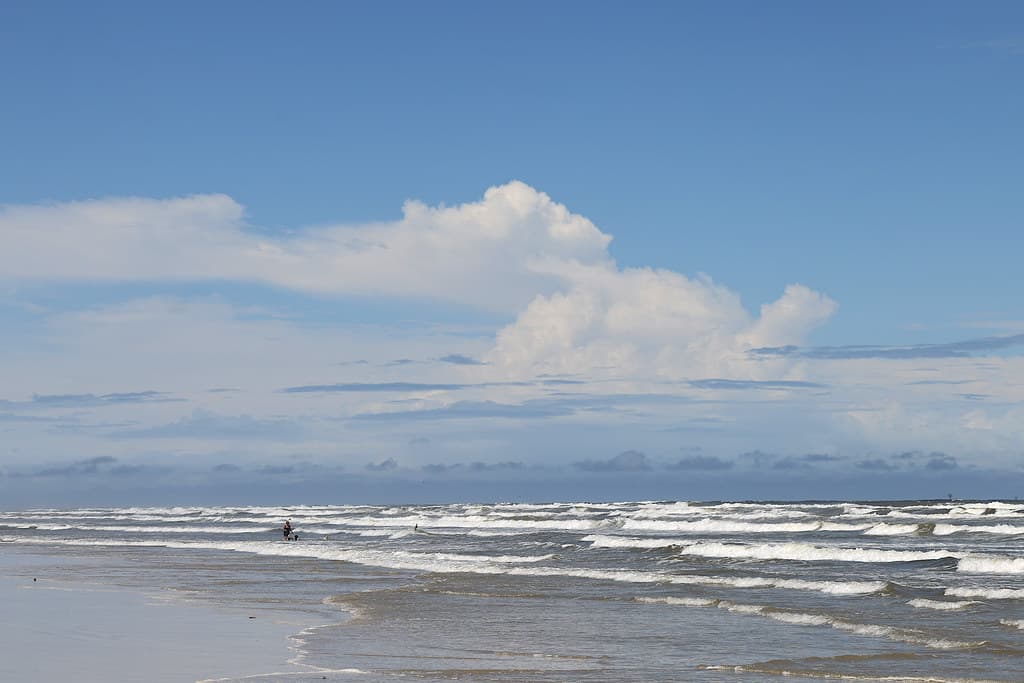
trailing_clouds_padre_island_R5-0572
Hannah Point earns its reputation through sheer abundance. Elephant seals drape across the shoreline like breathing boulders, their skin mottled in molting patches of silver and rust. Gentoo penguin colonies blanket the hillside beyond, their constant braying echoing off moss-covered slopes where Antarctic hairgrass—one of only two flowering plants on the continent—shivers in the katabatic wind. The air tastes of salt and krill, sharp and primal.
You have roughly ninety minutes before the Zodiac returns. The expedition naturalist points out skua nests among the lichen-painted rocks, warns you about aggressive fur seals defending invisible territories. Every direction offers a frame-worthy composition: glacial berglets drifting in Bransfield Strait, Mount Bowles rising snow-draped behind the point, a lone giant petrel circling overhead. This isn't a beach for swimming or sunbathing. It's a landing site at the edge of human experience, where the only footprints besides yours belong to species utterly indifferent to your presence.


