
You step onto a shore composed entirely of obsidian-dark stones, each one polished smooth by the relentless Southern Ocean. Mount Belinda's summit releases plumes of sulfur against pewter skies while glaciers calve house-sized chunks into the surf a hundred yards offshore. The temperature hovers just above freezing even in the austral summer, and the wind carries salt spray that stings your cheeks within seconds.
“The only accessible shore on Earth where an active volcano's glaciers meet the Southern Ocean alongside Antarctica's largest seabird colonies.”
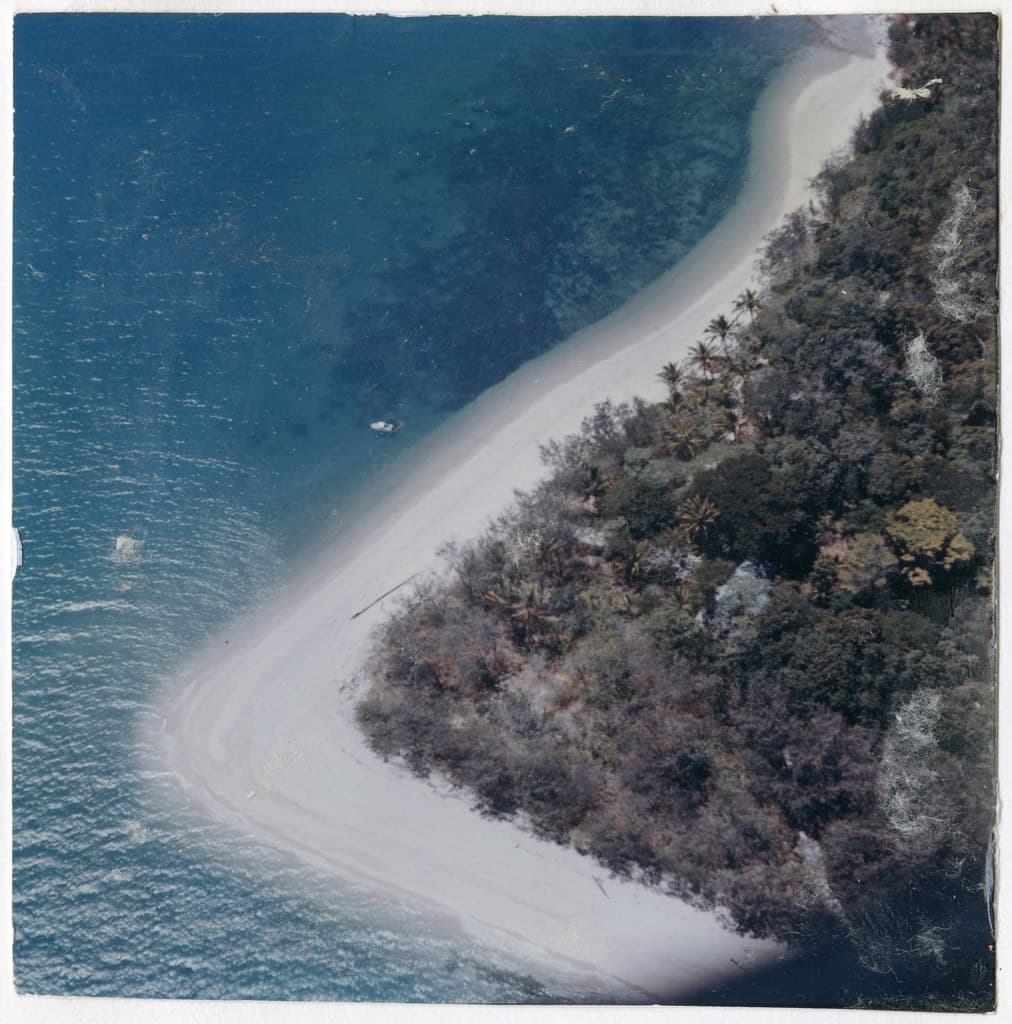 Credit: Flickr
Bedarra Island, Barrier Reef
This is not a beach for lounging. The pebbles shift underfoot with each wave's retreat, creating a rattling percussion that mingles with the bellowing of fur seals hauled out on nearby rocks. Colonies of chinstrap and macaroni penguins waddle past, wholly indifferent to your presence as they navigate the shoreline with surprising agility. The air smells of guano, brine, and the faint mineral tang of volcanic gases.
Reaching Montagu requires a research or expedition vessel willing to navigate the Scotia Sea's notorious swells, then a Zodiac landing timed perfectly between wave sets. You'll share the island with scientists monitoring seismic activity and wildlife biologists counting breeding pairs. There are no facilities, no trails, no human infrastructure whatsoever—only the raw intersection of fire, ice, and ocean that defines the South Sandwich archipelago.


