

The crunch of your footsteps on frozen pebbles announces your arrival at one of Antarctica's most improbable shore landings. Port Lockroy sits in a natural harbour on Goudier Island, where you'll navigate a shoreline crowded with gentoo penguins nesting between ice-crusted rocks. The corrugated-metal British research station, painted in defiant crimson, rises just beyond the beach—operational since 1944, now preserved as a living monument to Antarctic exploration.
“The only Antarctic beach where you can mail postcards from a heritage site while penguins nest beneath a working research station.”
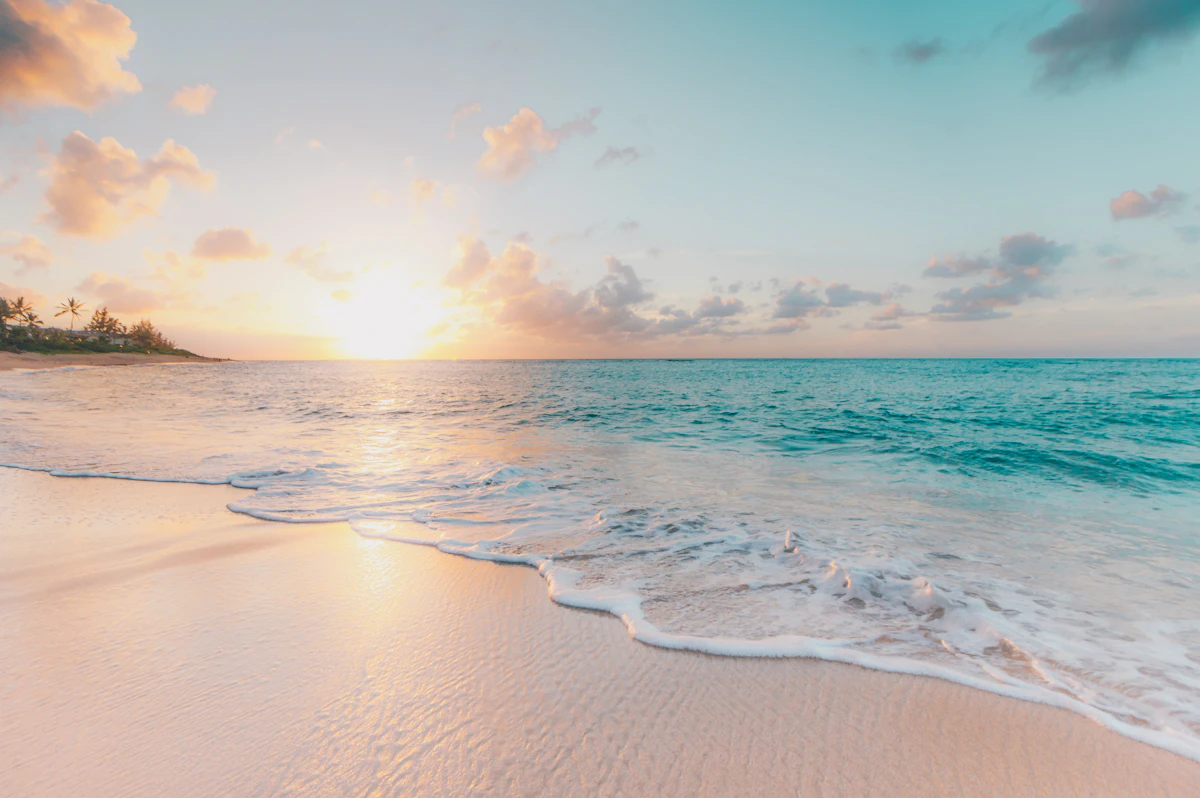 Credit: Unsplash
Aerial view of turquoise tropical bay
You'll share this pebbled strip with thousands of breeding penguins who've claimed the island as their rookery. The birds toboggan on their bellies across patches of compacted snow, diving into gunmetal waters to hunt for krill. Behind you, glaciers calve into Neumayer Channel with cracks that echo like rifle shots. The wind carries the metallic scent of penguin guano mixed with sea spray and ancient ice.
This is Antarctic tourism distilled to its essence: raw, unfiltered access to a continent that tolerates no pretense. The beach itself offers little comfort—no sand, no shelter, temperatures hovering near freezing even in Antarctic summer. Yet you'll find yourself lingering among the pebbles, watching ship crews rotate the historic flag, penguins stealing stones from rival nests, and cruise passengers queuing for the world's most remote post office. It's a landing site that makes you acutely aware you're standing where very few humans ever will.


