

You arrive at Cape Framnes after days aboard an expedition vessel threading through pack ice—a slow, deliberate approach that heightens the remoteness. The beach itself stretches in a gentle arc of grey and rust-colored pebbles, each stone a testament to the relentless grind of glaciers calving from the continent's interior. Elephant seals occasionally haul out on these stones, their bulk displacing the smaller rocks with wet, grinding sounds.
“This is one of Antarctica's least-visited coastlines, where the Weddell Sea's legendary ice pack creates a natural barrier that filters all but the most committed expeditions.”
 Credit: Pexels
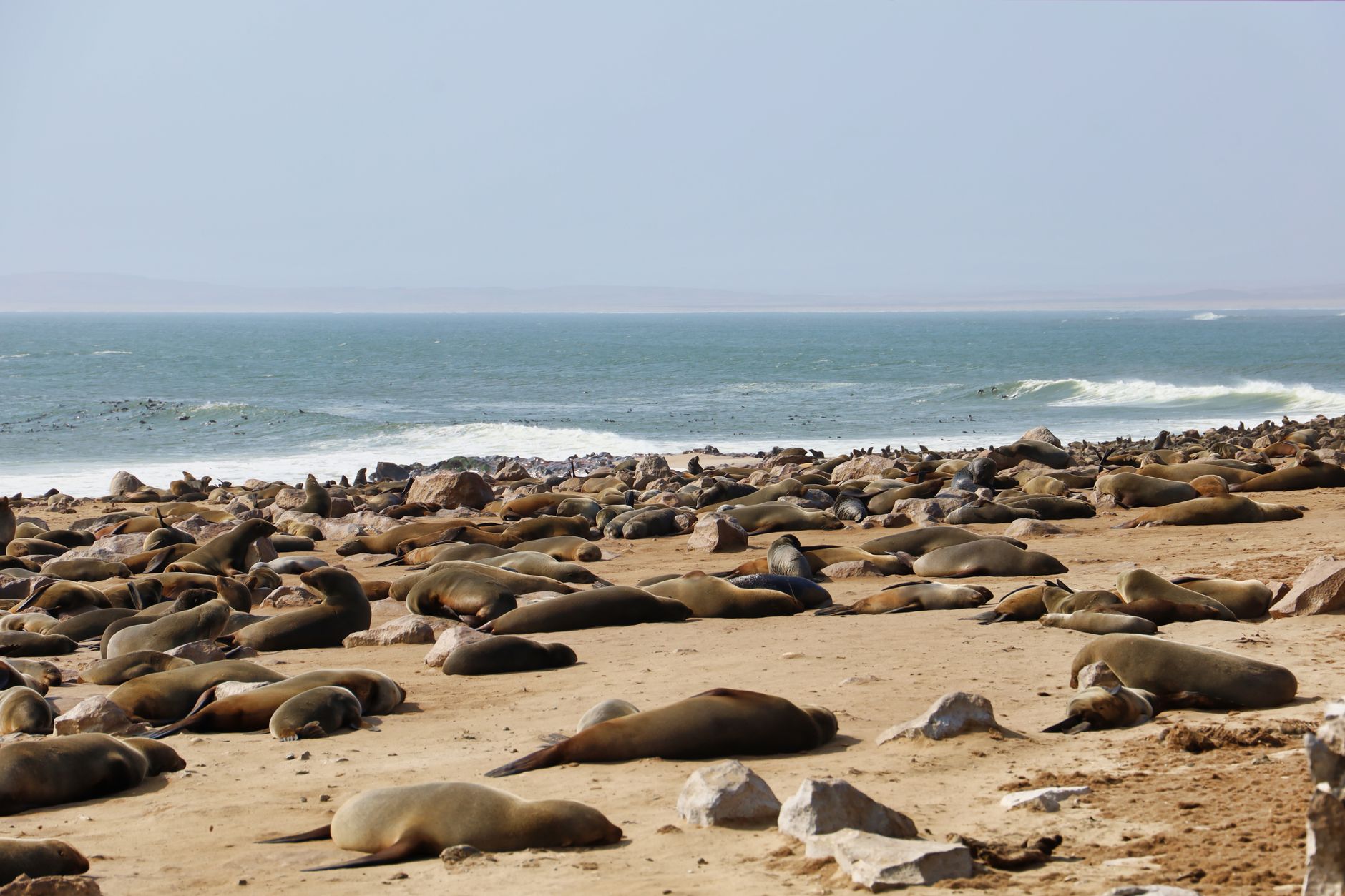
Vast colony of seals basking on the beach with ocean waves in the background.
The Weddell Sea beyond shifts between states: sometimes locked in fast ice that extends to the horizon, sometimes fractured into a mosaic of floes that tilt and collide with the swell. The light here behaves differently than anywhere else—low-angle sun creates shadows that stretch for hundreds of meters, and the clarity of the atmosphere renders distant peaks with uncanny sharpness. You'll find yourself recalibrating your sense of scale; what appears close might be an hour's zodiac ride away.
Few vessels make it to this eastern sector of the peninsula. The Weddell's notorious ice conditions and unpredictable weather create a natural filter, ensuring that those who land here have earned the privilege through patience and flexible itineraries. You'll share the shore with Adélie penguins and the occasional leopard seal, all indifferent to your presence, absorbed in the essential business of survival at the bottom of the world.


