
The moment your boot meets the beach, you understand isolation in a way no other coastline teaches. James Ross Island's eastern shore faces the Weddell Sea with geological defiance—volcanic pebbles in shades of rust, charcoal, and ochre stretch beneath cliffs striped with sedimentary history spanning 70 million years. Adelie penguins waddle past, indifferent to your presence, while leopard seals patrol the shallows with liquid efficiency.
“One of the few accessible beaches facing the notoriously ice-choked Weddell Sea, where volcanic geology meets Antarctic marine wilderness.”
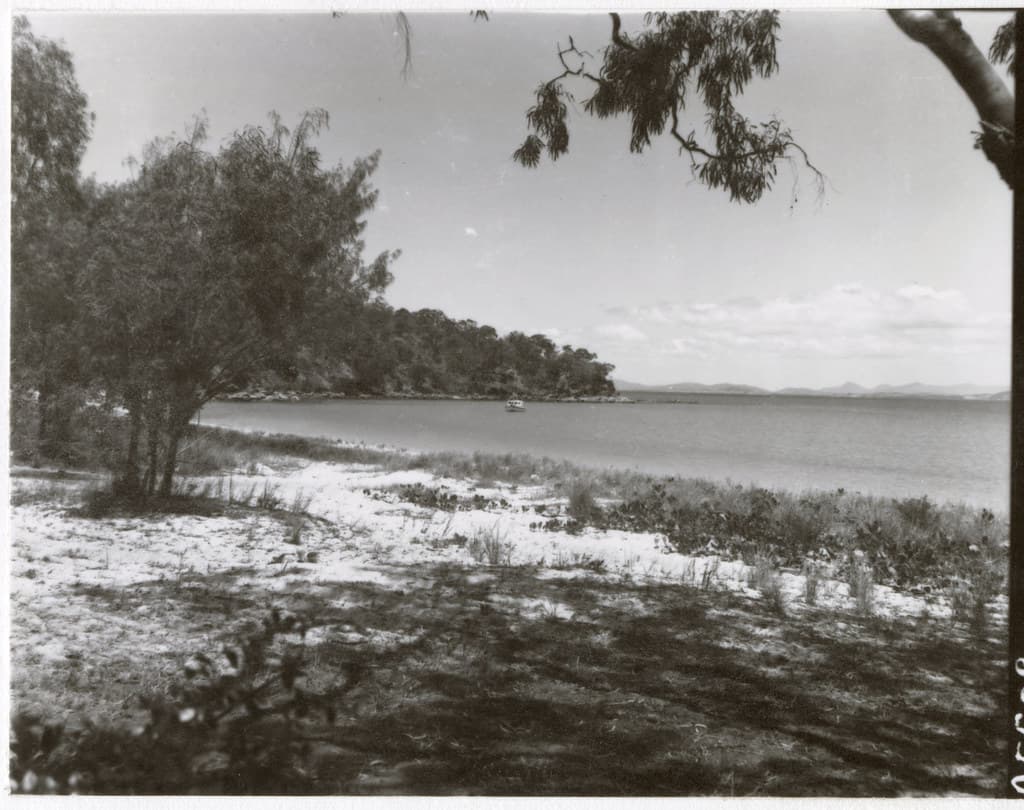 Credit: Flickr
Great Kepple Island
The air bites at exposed skin even in the austral summer, carrying the mineral smell of ancient stone and the brine of pack ice grinding offshore. You'll scan the horizon and see nothing human—no contrails, no ships, just the serrated profile of the Antarctic Peninsula across the sound. Tabular icebergs the size of city blocks drift past in slow procession, their blue depths glowing against slate-gray water.
This is expedition territory, reached only by ice-strengthened vessels during the narrow November-to-March window when the Weddell Sea grudgingly releases its grip. You'll share the beach with scientists studying climate records locked in the island's rocks, or with no one at all. The silence here has weight—broken only by the guttural calls of skuas and the percussion of waves tumbling volcanic stones smooth, a sound unchanged since before humans walked upright.


