
Seymour Island's southern shore offers none of the comforts you associate with a beach visit. The pebbles underfoot are dark gray and rust-brown, worn smooth by millennia of wave action, and they shift with a hollow clatter as you walk. The water temperature hovers just above freezing year-round, and the Weddell Sea sprawls before you in shades of slate and pewter, its surface broken by drifting bergy bits that glow pale blue against the charcoal sky.
“You stand on one of the few Antarctic beaches where you can collect fossils from the age when the continent wore green.”
 Credit: Flickr
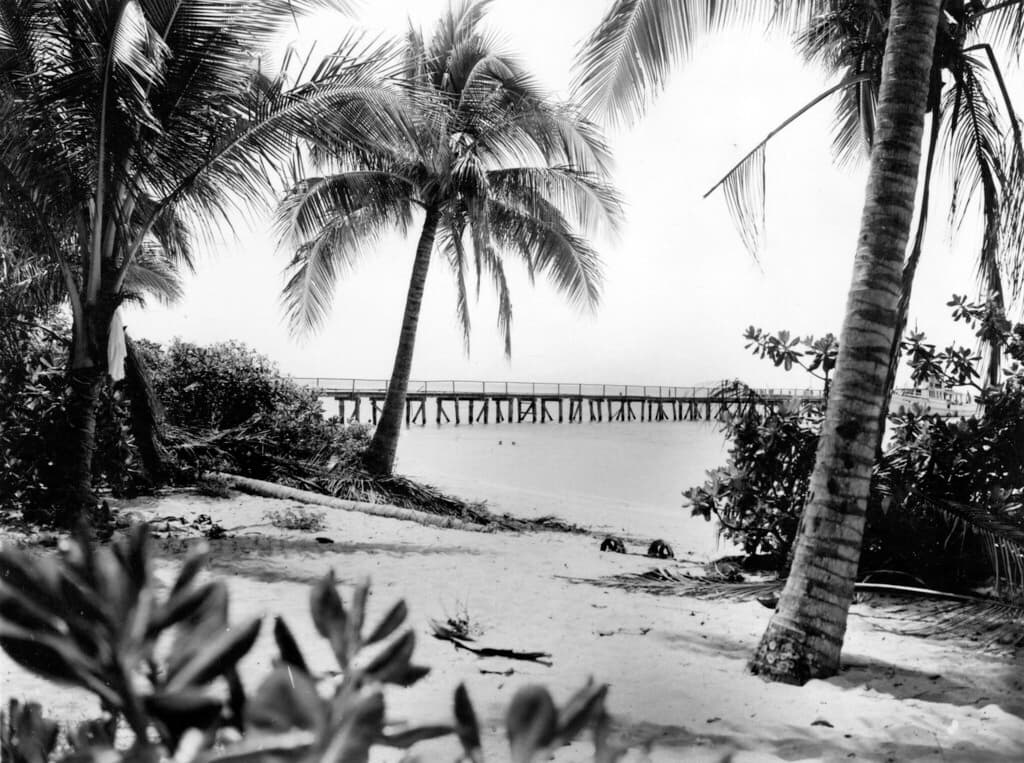
Green Island Pier
What draws researchers and the rare expedition visitor here is the island's paleontological treasure: layers of sedimentary rock that chronicle the final age of Antarctic forests before the ice took hold. You can trace your gloved fingers over mudstone exposures and spot the imprint of ancient leaves, shells, and occasionally dinosaur bone fragments weathering from the cliffs. The wind carries no scent of vegetation—only salt, cold stone, and the ammoniac tang of nearby penguin rookeries.
Reaching this shore requires passage through some of the planet's most notorious waters aboard ice-strengthened vessels, typically as part of scientific expeditions or specialized tourist voyages during the brief austral summer. There are no facilities, no trails, no markers—just the raw interface of land and sea at the bottom of the world, where every visit feels like a first landfall.


