
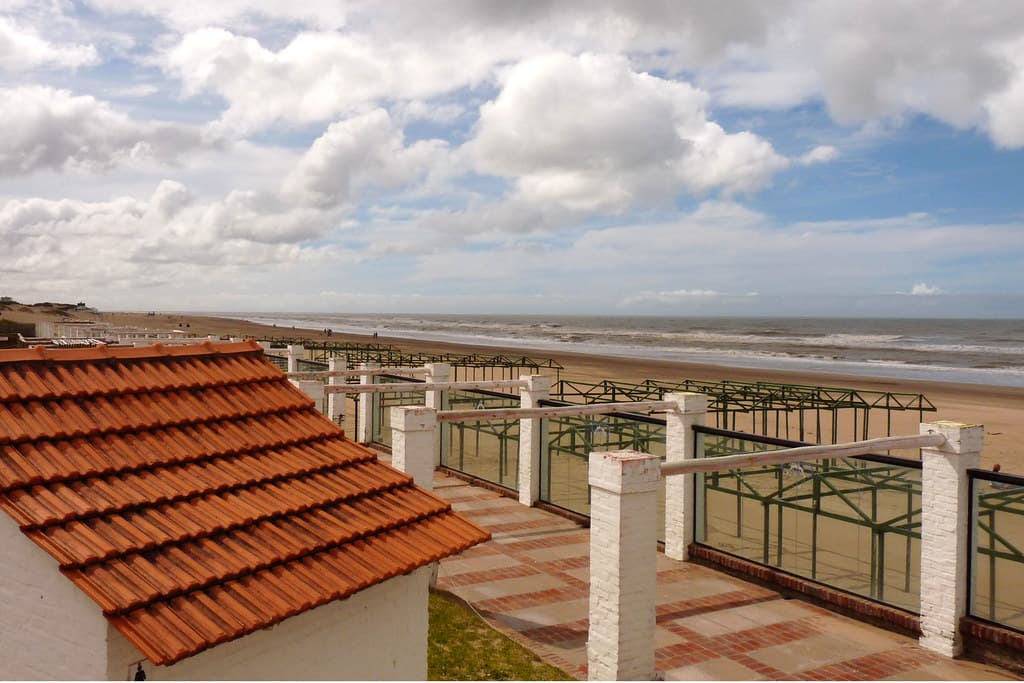
Cariló unfolds like a secret the wealthy prefer to whisper. You navigate unpaved sand roads beneath a canopy of towering pines, acacias, and oaks before the forest opens onto a beach of staggering breadth. The sand is fine and blonde, stretching north and south in an unbroken ribbon, and the Atlantic pounds in with steady, frothy insistence. Unlike the crowded resorts flanking it, Cariló enforces a hush—no high-rises pierce the treeline, no neon disrupts the dunes.
“It's Argentina's only beach resort where zoning laws preserve the forest canopy, ensuring every sightline remains green and hushed.”
 Credit: Flickr
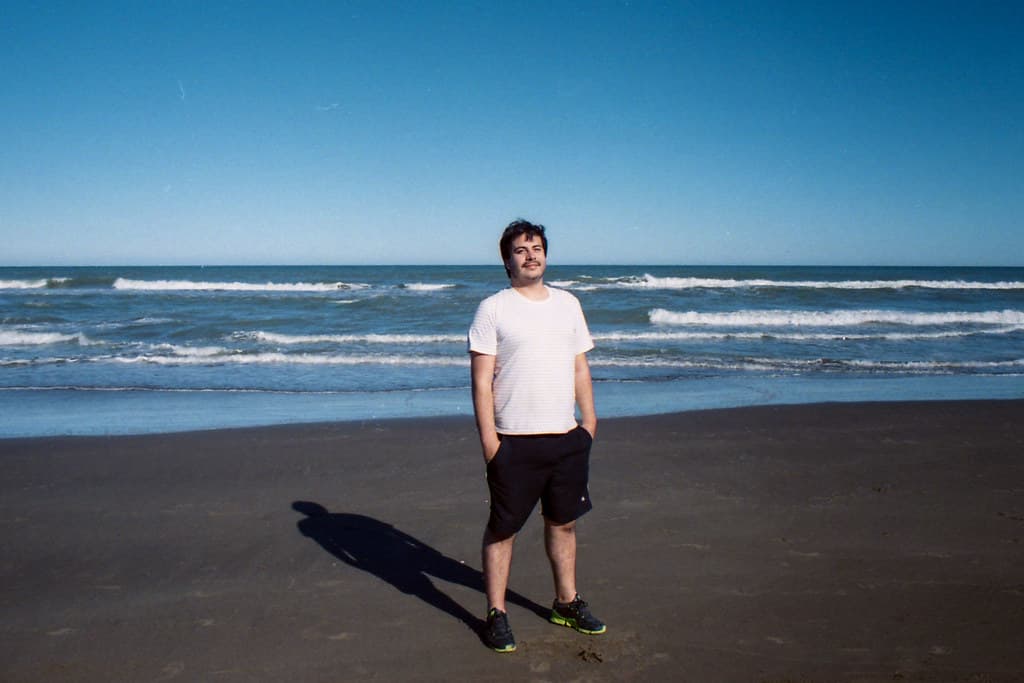
En la playa de Cariló
The beach clubs here feel like private estates. Thatched palapas shelter wicker loungers; waiters deliver grilled provoleta and Torrontés in stemmed glasses. You won't find hawkers or loudspeakers, just the occasional couple strolling the hard-packed sand near the waterline, their footprints erased by the next wave. In January and February, porteño families claim their usual spots, but even peak season respects a certain decorum.
Come shoulder season—March or November—and you might share the shore with only gulls and the odd horseback rider. The water stays brisk year-round, the waves muscular enough to body-surf but rarely menacing. As afternoon fades, the forest behind you glows amber, and the beach takes on the quality of a Hopper painting: empty, elegant, suspended in golden light.


