
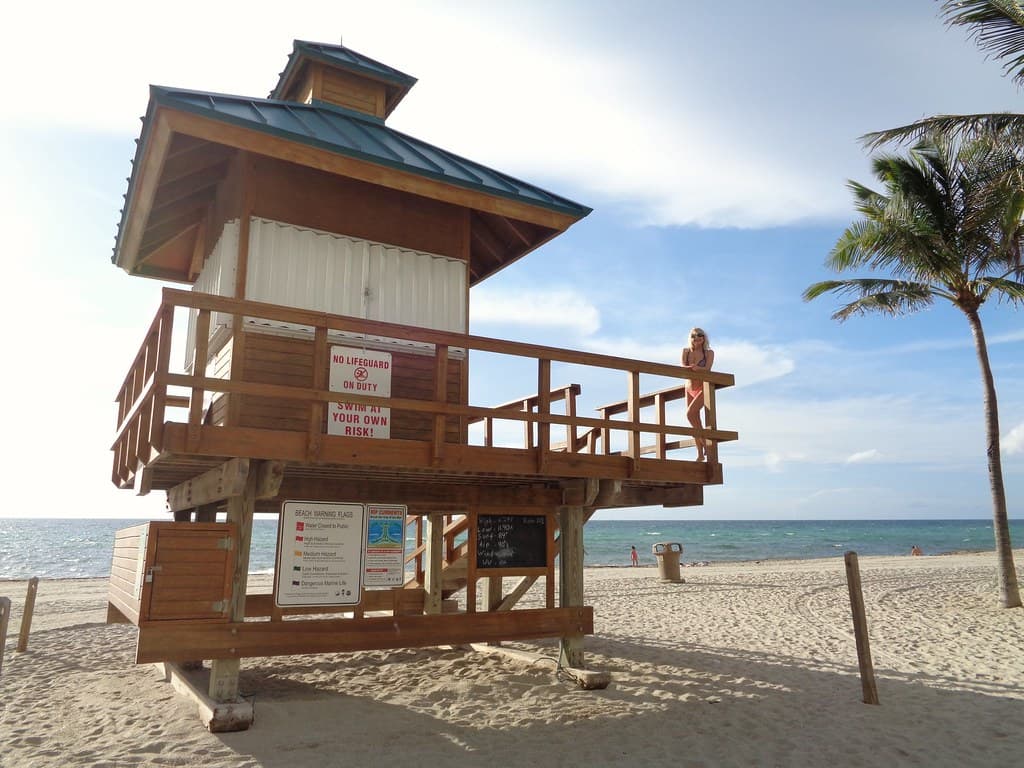
Step onto the promenade and you're standing in the heart of Mar del Plata's beach culture—a place where grandmothers in wide-brimmed hats watch grandchildren chase foam while teenage couples share mate under rented umbrellas. The sand here is compacted and tan, packed tight by decades of foot traffic, and the water carries the chill of the South Atlantic even in January heat. Faded art-deco buildings frame the beachfront, their shutters painted in pastels that have softened under years of salt wind.
“This is Argentina's most democratic beach—where working-class porteños and old-money families claim the same sand under the same striped tents their parents rented decades ago.”
 Credit: Flickr
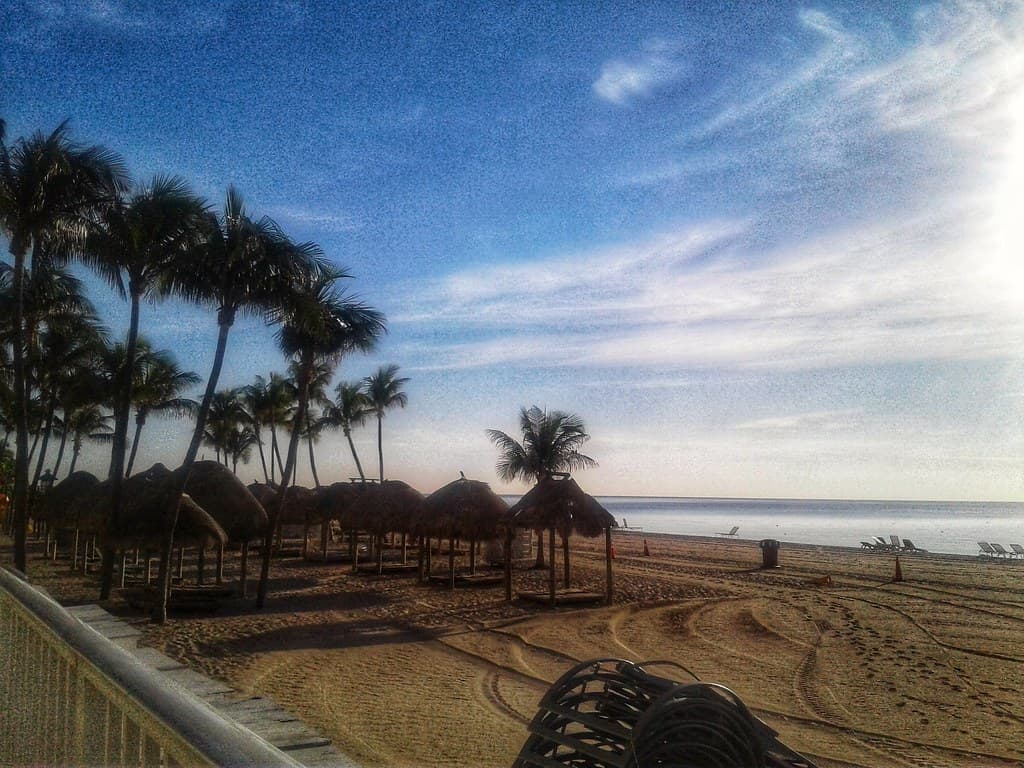
Playas desiertas
The carpas—those iconic striped tents—form neat rows managed by beach clubs that have claimed the same patches since the 1950s. You'll pay for a spot beneath canvas, but it buys you a lounge chair, an umbrella, and the company of families who return to the same vendor year after year. Between the tents, vendors weave through sunbathers offering facturas, choclo, and ice-cold quilmes pulled from styrofoam coolers.
The boardwalk behind you hums with foot traffic—rollerbladers dodging strollers, retirees on benches watching the scene, street musicians competing for pesos. This isn't a pristine hideaway; it's an urban beach that wears its popularity openly. You come here not for solitude but for the unmistakable energy of an Argentine summer, where the beach belongs to everyone and the afternoon stretches until the sun finally drops behind the casino towers.


