

Counting the waves…
Counting the waves…
A refined fusion of water purity, environmental stability, and communal vibrancy for Playa Quequén Salado.
View MethodologyAnalyzed via live sensors and environmental data.
Wave height, wind, and atmospheric stability.
Live footfall and crowd balance metrics.
Community reviews and curated sentiment.
“You'll hear the Quequén Salado before you see it—a tidal river slicing through ochre sand hills, carrying the scent of salt marsh and wet grass. The beach runs wide and windswept where freshwater meets ocean, and the…”
Limited recent visitor reports — live OBI telemetry is your best guide for current conditions.
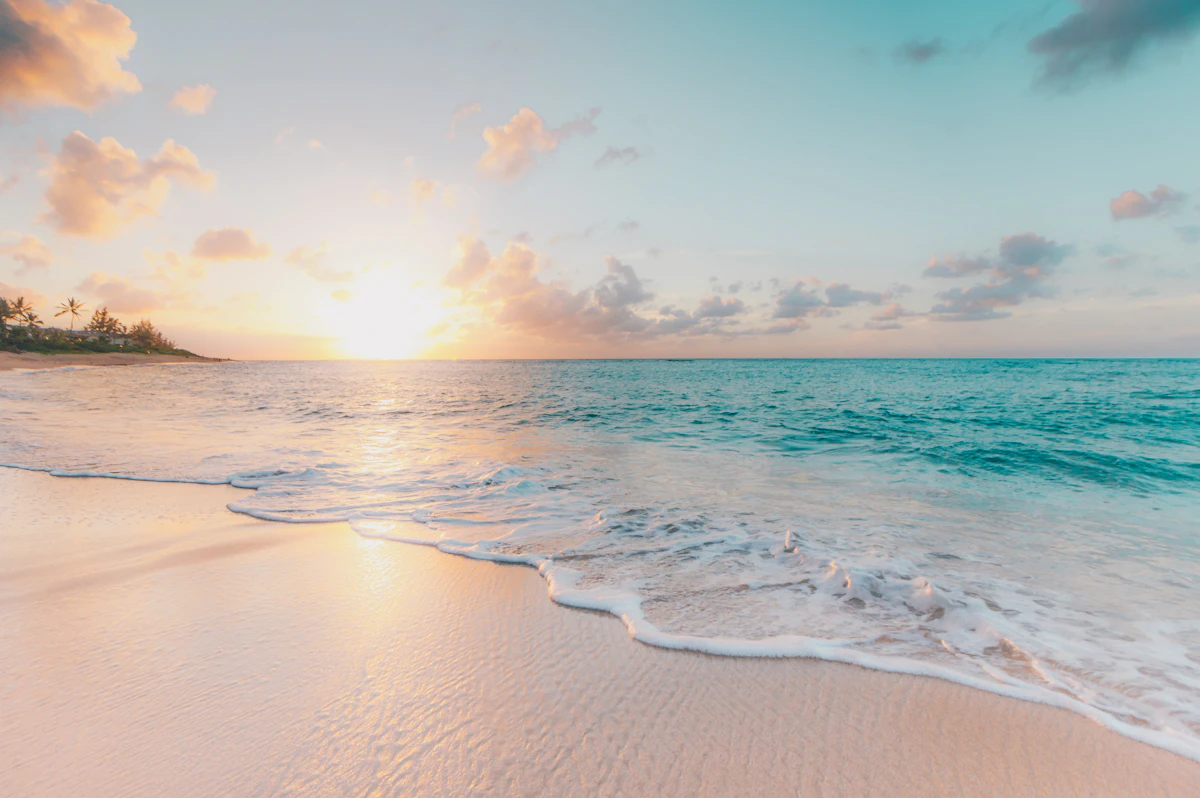
The beach unfolds at the precise point where the Quequén Salado River surrenders to the Atlantic, creating a shifting geography of sandbars, tidal channels, and wind-sculpted dunes that can reshape overnight. You'll walk across firm, coffee-colored sand still damp from the river's passage, watching frigatebirds wheel overhead and small crabs scatter into foam. The water here runs cooler than beaches farther north, stirred by the river's constant contribution, and the waves break with less fury than the open coast stretches nearby.
Marisol itself remains refreshingly unpolished—a collection of modest beach houses and corner almacenes where locals still outnumber visitors nine months of the year. The dune landscape extends for kilometers in both directions, offering long walks interrupted only by the occasional fisherman casting into the surf or families claiming a hollow between hills for windbreak. Bring a sweater even in January; the breeze off the pampas never fully relents.
Person walking on a sand spit
Aerial view of turquoise tropical bay
Golden hour casts dramatic shadows
Warmer shallows near the channel
Wind protection between sand hills
Prime Visitation
Best Weather | Less Crowds
Where it is
Playa Quequén Salado
Marisol, Buenos Aires, Argentina
-38.914600°, -60.534900°
Weather
Loading…
Swell
—
Temp
Warm · Restorative
UV Index
Moderate
Wind
—
Tidal State
Last known
Max Sunlight
—
Ideal Shade
—
Jan - Dec (Peak)
Mar - Nov (Off-season)
Best Weather | Less Crowds
Select a category to load nearby places.
Unlock restaurants, luxury stays and curated maritime experiences within 2km
The river-mouth setting at Playa Quequén Salado typically offers calmer waters where the river meets the ocean, making it generally suitable for families with children. However, conditions vary with tides and currents. Always supervise children closely, stay in shallow areas, and check local conditions before entering the water. River-mouth beaches can have unpredictable currents where fresh and salt water mix. Lifeguard availability may be limited at this quieter beach, so exercise extra caution and swim during daylight hours only.
The best weather for visiting Playa Quequén Salado occurs during the Argentine summer from December through March, with warm temperatures ideal for beach activities. For fewer crowds, visit during shoulder seasons (November or April) or weekdays during summer. Early mornings and late afternoons offer excellent opportunities for sunset viewing, one of the beach's highlights. The less-crowded periods allow you to better appreciate the river-mouth landscape and natural scenery that characterizes this hidden gem along the Buenos Aires coast.
Playa Quequén Salado is located in Marisol, approximately 500-550 kilometers south of Buenos Aires city. The most practical option is driving via Route 3 and provincial routes, which takes roughly 6-7 hours. Bus services connect Buenos Aires to nearby coastal towns in the region, though direct service to Marisol may be limited. From larger nearby towns, you may need local transportation or a rental car to reach this more remote beach. Plan your journey carefully as this hidden beach is off the main tourist circuit.
Marisol is a small coastal village with limited but authentic local accommodations, including small guesthouses, cabañas, and vacation rentals. Dining options typically consist of local cafés and restaurants serving traditional Argentine cuisine and fresh seafood. For more extensive services, nearby towns like Necochea or Quequén offer additional hotels, restaurants, and amenities. During peak summer season, booking ahead is recommended. Given the remote nature of the area, consider bringing supplies if you have specific dietary requirements or prefer self-catering options.
The Quequén Salado River mouth creates a distinctive coastal ecosystem where freshwater meets the Atlantic Ocean, defining Marisol's unique character. This convergence produces diverse landscapes including dunes, wetlands, and changing sandbanks that shift with tides and seasons. The area attracts varied birdlife and offers photographers dramatic scenery, especially at sunset when light plays across the water. The river mouth provides natural protection from ocean waves in certain areas, while the surrounding dunes create scenic backdrops. This transitional environment makes it ecologically and visually distinct from typical ocean beaches.
Photos