
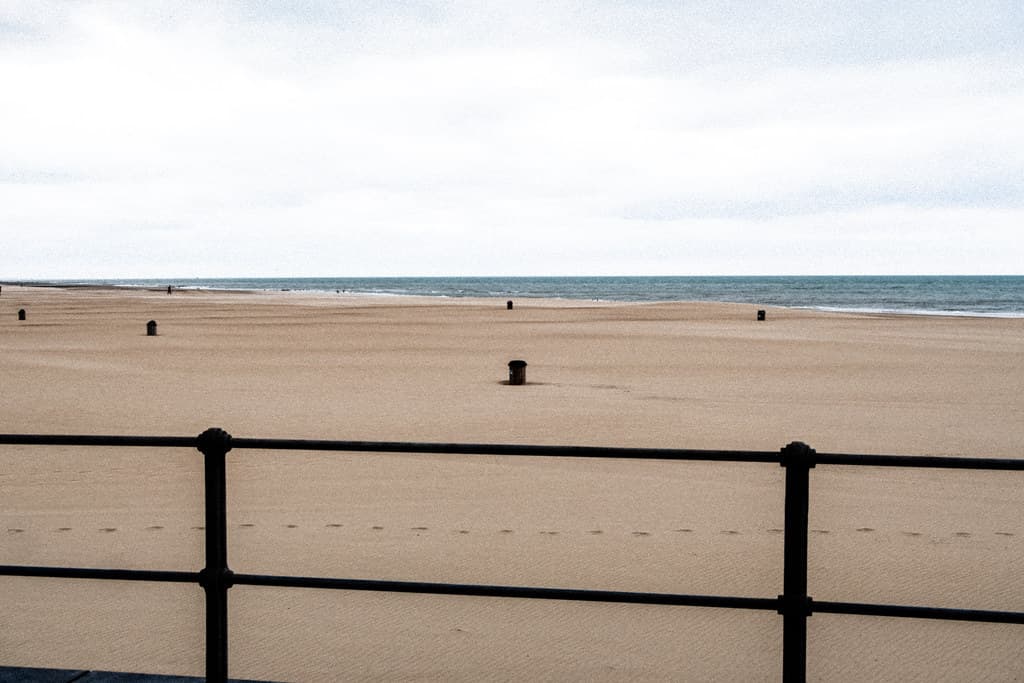
Playa Ostende stretches along a quieter fold of the Atlantic coast, tucked between the livelier bustle of Pinamar and the serenity of Valeria del Mar. The beach unfolds in wide, even planes of tan sand, ribbed by the tide and bordered by low dunes crowned with marram grass that shivers in the onshore breeze. You'll find families camped beneath canvas umbrellas, children running barefoot toward the surf while grandparents unpack empanadas from coolers and pour hot water into mate gourds with the practiced ease of ritual.
“A mid-century resort beach that never chased glitz, preserving the unhurried cadence of Argentine family summers.”
 Credit: Flickr
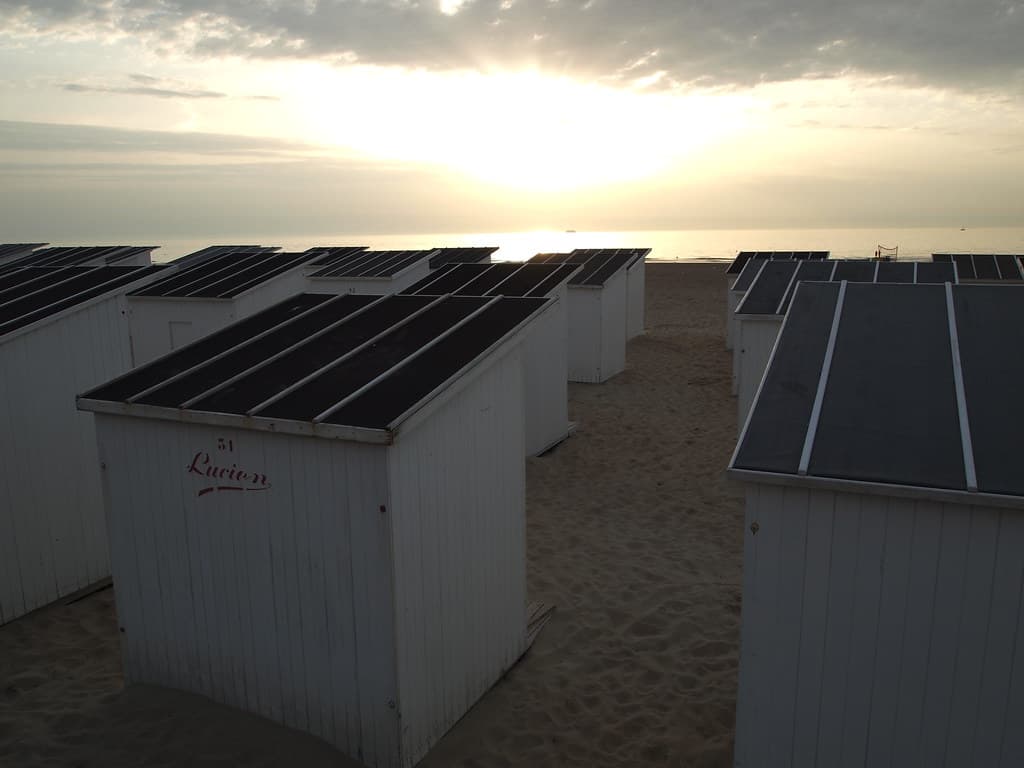
Casetas de playa
The water here doesn't coddle. It arrives in cool, steady swells, the kind that wake you up rather than lull you in. Beach clubs—some dating to the mid-century heyday of coastal Argentine tourism—line portions of the shore, their wood-plank decks sun-bleached and splintered, their canvas awnings snapping in the wind. You can rent a reposera for the day, order milanesa and fries from the parrilla, and settle into the kind of slow afternoon that feels earned rather than sold.
Come in the shoulder months and you'll have whole stretches to yourself. The light turns amber over the dunes by late afternoon, and the only sounds are gulls and the persistent hiss of retreating foam. Ostende doesn't announce itself—it simply waits, patient and unvarnished, for those who prefer their coastlines without fanfare.


