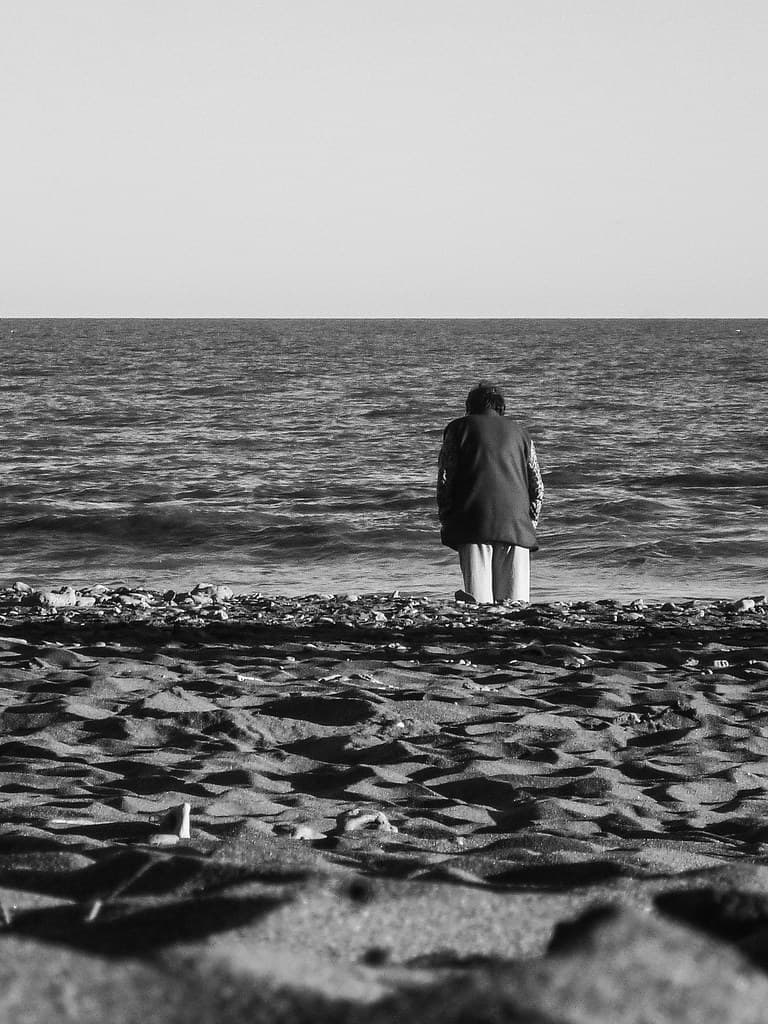
Counting the waves…
Counting the waves…
A refined fusion of water purity, environmental stability, and communal vibrancy for Playa de los Fósiles.
View MethodologyAnalyzed via live sensors and environmental data.
Wave height, wind, and atmospheric stability.
Live footfall and crowd balance metrics.
Community reviews and curated sentiment.
“At low tide, the beach peels back to reveal a paleontological diary: fossilized tracks of giant sloths and saber-toothed cats locked in sediment. Salty wind whips your hair as you crouch beside indentations older than…”
Limited recent visitor reports — live OBI telemetry is your best guide for current conditions.
You arrive when the tide charts say so, because Playa de los Fósiles keeps its secrets on a lunar schedule. As the water retreats, dark shelves of compressed sediment emerge, pocked with the unmistakable shapes of clawed toes and padded feet—evidence of creatures that lumbered here when humans were still crossing land bridges. The sand is fine and tan, punctuated by pebbles and shell fragments, but your gaze stays fixed on the rock, where time has turned mud into museum.
Pehuen-Có itself is quiet, a low-rise beach town where Argentine families string hammocks between pines and grill choripán on brick parrillas. The fossil beds stretch along the shore, protected but accessible, marked by interpretive signs that feel refreshingly unstaged. You'll share the beach with a handful of geology students, a dog chasing gulls, and retirees in folding chairs who've seen these tracks a hundred times and still pause to look.
 Credit: Unsplash
A person walking on a beach with a surfboard
 Credit: Unsplash
people walking on beach during daytime
Shoot at low tide morning
Follow paleontological marker signs
Cold waves, sandy bottom
Prime Visitation
Best Weather | Less Crowds
Where it is
Playa de los Fósiles
Pehuen-Có, Buenos Aires, Argentina
-39.005600°, -61.610400°
Weather
Loading…
Swell
—
Temp
Warm · Restorative
UV Index
Moderate
Wind
—
Tidal State
Last known
Max Sunlight
—
Ideal Shade
—
Jan - Dec (Peak)
Mar - Nov (Off-season)
Best Weather | Less Crowds
Select a category to load nearby places.
Unlock restaurants, luxury stays and curated maritime experiences within 2km
Playa de los Fósiles is generally family-friendly with safe swimming conditions during calm weather, though as an Atlantic beach, wave and current conditions vary seasonally. Lifeguards operate during peak summer season. The main attraction is the fossilized animal and human tracks preserved in the intertidal rock formations, visible at low tide, which fascinate children and adults alike. Families should wear appropriate footwear when exploring fossil areas to protect both feet and the delicate heritage sites. Swimming is best during settled weather; always check local conditions and supervise children near rocks and fossil areas.
The best time to visit is during summer (December-February) for comfortable weather, though spring and autumn offer fewer crowds while maintaining decent conditions for fossil viewing. Crucially, time your visit around low tide when the fossilized tracks in the rock platforms become visible and accessible—check local tide tables in advance. Early morning or late afternoon provides excellent lighting for photography of both fossils and scenery. Weekdays see fewer visitors than weekends. Winter visits are possible for dedicated fossil enthusiasts, though colder temperatures and rougher seas limit swimming and comfort for extended beach time.
Playa de los Fósiles is located within the small coastal town of Pehuen-Có, accessible via Route 229 from Bahía Blanca (approximately 80 kilometers southeast). Most visitors drive or take buses from Bahía Blanca to Pehuen-Có; the beach area is reachable on foot or by short drive from any accommodation in the compact town. The fossil sites are well-marked along the beach, particularly near the central beach access points. Pehuen-Có itself is small enough to navigate easily on foot or bicycle. Limited public transportation exists, so having a car provides more flexibility for day trips.
Pehuen-Có is a small coastal village offering limited but adequate lodging including modest hotels, cabañas, and vacation rentals, mostly family-run and budget-friendly. Dining options include local restaurants serving traditional Argentine fare and seafood, plus a few beach kiosks during summer season. The town's small size means most accommodations are within walking distance of Playa de los Fósiles. For more extensive services, visitors can base in Bahía Blanca and day-trip to Pehuen-Có. The village atmosphere is quiet and unpretentious, focused on natural attractions rather than resort-style amenities.
Playa de los Fósiles features prehistoric animal tracks and footprints fossilized in coastal rock formations, including prints from megafauna that lived thousands of years ago. Some formations also contain ancient human footprints, making this an important paleontological and archaeological site. The fossils are visible at low tide when rock platforms emerge from the water—always check tide schedules before visiting. Look for marked interpretive areas and respect conservation guidelines by not touching or walking directly on fossil tracks. Local guides sometimes offer tours explaining the site's significance. This natural heritage makes the beach scientifically and culturally unique in Argentina.
Photos