
Playa La Herradura curves along Pinamar's northern edge, where the grid of beach clubs and rental umbrellas finally surrenders to dune grass and silence. You reach it by foot or bicycle along a sandy track that winds through the town's signature pine groves—those gnarled marítimos that lean eastward, sculpted by decades of ocean wind. The beach itself feels untamed: no lifeguard towers, no loudspeaker announcements, just the rhythmic crash of waves and the occasional gull wheeling overhead.
“It's the rare Pinamar beach where you can spread a towel without navigating a grid of rental umbrellas.”
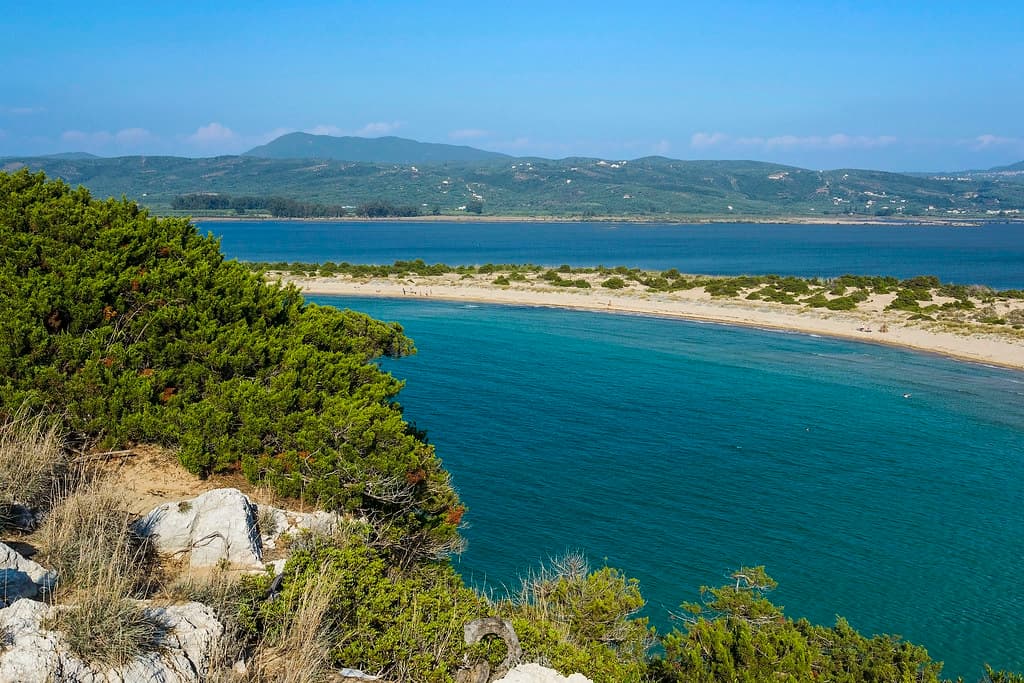 Credit: Flickr
Playa de Voidokilia
The sand is darker here, flecked with shell fragments that crunch underfoot, and the slope is gentle enough that low tide reveals fifty meters of hardpack perfect for long walks. Mid-morning brings a scattering of locals—retirees with thermoses of mate, mothers with toddlers who dig moats in the damp sand. By noon the sun presses down without mercy, and you'll want the shade of a rented parasol or the cotton canopy you carried in. The water stays brisk even in January, that bone-cold Atlantic current that makes your first plunge a gasp-and-laugh affair.
What La Herradura lacks in infrastructure it returns in breathing room. You can claim a stretch of sand twenty meters from your nearest neighbor, let your children shriek without disturbing anyone, and watch the horizon uninterrupted by jet skis or banana boats. It's Pinamar as it was before the high-rises—a place where the beach still belongs to the wind.


