
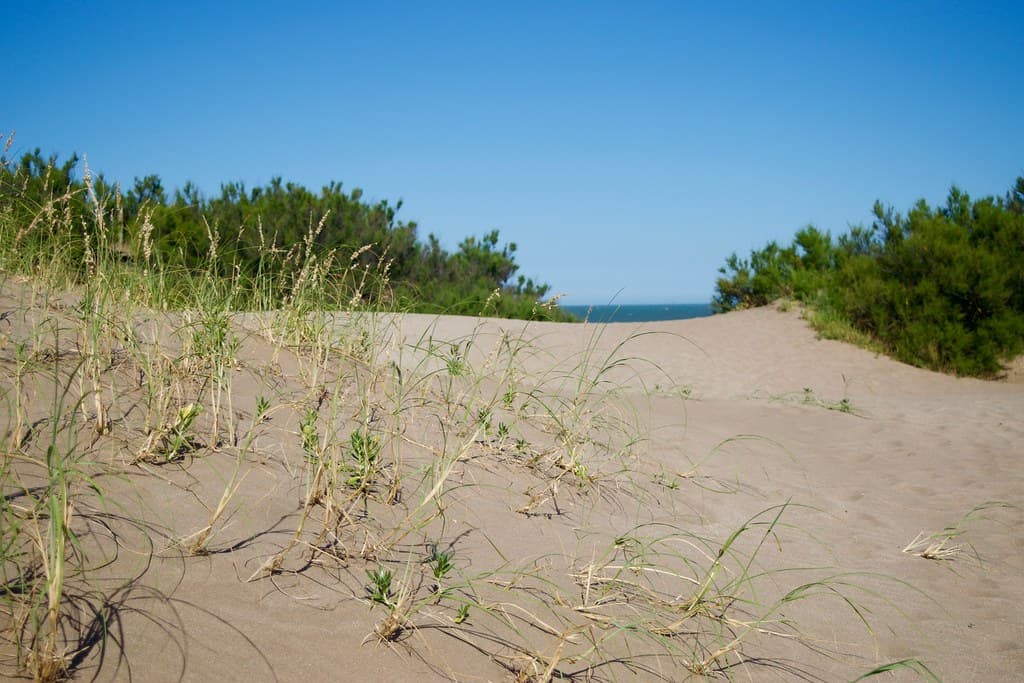
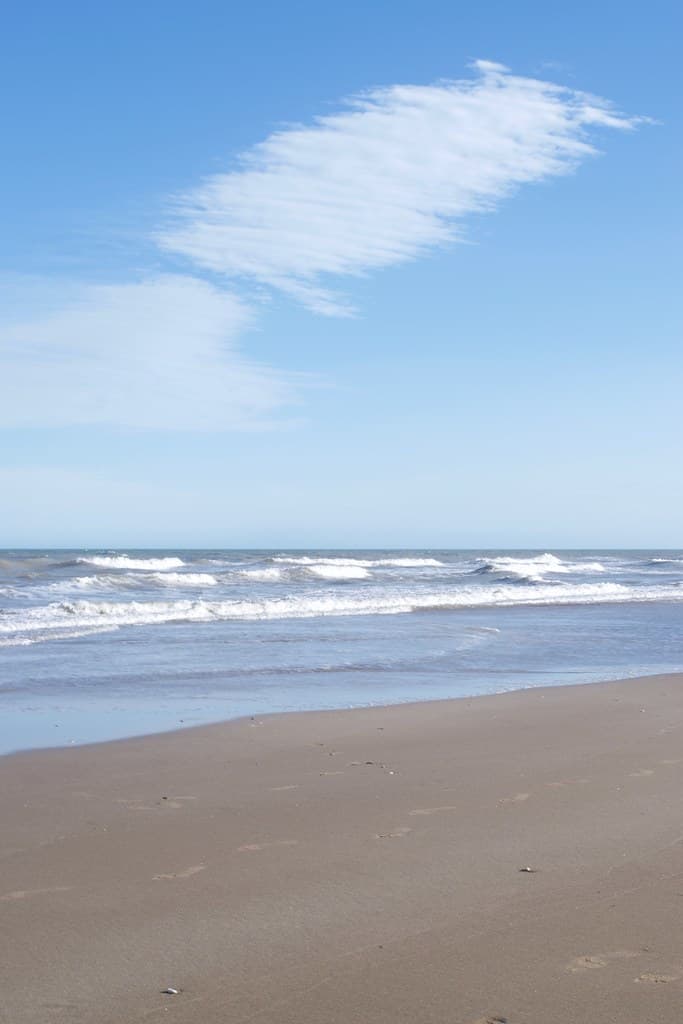
The northern edge of Pinamar unfolds like a quieter epilogue to the main beach scene. Families stake out spots beneath rented umbrellas earlier in the morning, claiming patches of honey-colored sand that stay soft underfoot until the afternoon sun bakes it firm. The water here runs cooler than you expect—the South Atlantic doesn't coddle—but children wade in anyway, shrieking at the knee-high breakers that roll in with metronomic consistency.
“This is Pinamar stripped of its see-and-be-seen energy, offering elbow room without sacrificing the town's pine-fringed coastline.”
 Credit: Flickr
Playa Norte Pinamar — photo by rvallafoto
You'll notice the rhythm changes as the afternoon lengthens. Joggers appear along the hard-packed tideline, their footprints erased by the next wave. A few surf students paddle out with instructors shouting corrections from waist-deep water. The lifeguard stations, painted in primary colors, stand sentinel every few hundred meters, their flags snapping in the onshore wind that picks up reliably after two o'clock.
By late afternoon, the light turns amber and the crowds thin further. Locals spread mate thermoses and linger in low beach chairs, watching the horizon where cargo ships trace the edge of visibility. The northern stretch lacks the polished beach clubs and DJ-soundtracked lounges of central Pinamar—what it offers instead is room to breathe, and sand that doesn't require a strategic arrival time to claim.


