
The drive to Punta Indio feels like falling off the edge of Argentina's tourist map. Past the cattle estancias and monotonous flatlands south of La Plata, you arrive at Playa Los Naranjos to discover a beach that refuses to perform. The sand here carries a tawny, almost rust-colored hue, deposited by the muddy confluence of river and bay. At low tide, the waterline recedes hundreds of meters, leaving behind tidal pools alive with tiny crabs and the occasional heron stabbing at stranded fish.
“One of the few Buenos Aires beaches where fresh and salt water merge, creating a brackish ecosystem more reminiscent of estuary than ocean.”
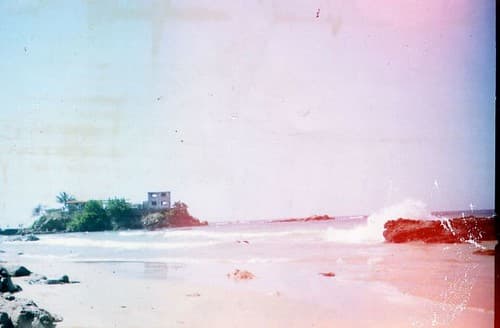 Credit: Flickr
playa.caracolito
The real draw arrives in the final two hours before dusk, when the western sky ignites over the vast Samborombón wetlands. You'll have the shoreline almost entirely to yourself—local fishermen occasionally arrive with hand-lines, searching for corvina—but otherwise it's just you, the wind, and the strange, melancholic beauty of a beach that looks more like the Patagonian steppe than the Buenos Aires coast.
Bring layers; the wind off the bay cuts through cotton shirts even in summer. The handful of rustic parrillas in Punta Indio village serve grilled pejerrey caught that morning, and the caretaker at the old lighthouse sometimes offers mate to visitors who make the climb. This is Argentina's shore stripped of pretense, where the rhythm of tides matters more than the season's beach fashion.


