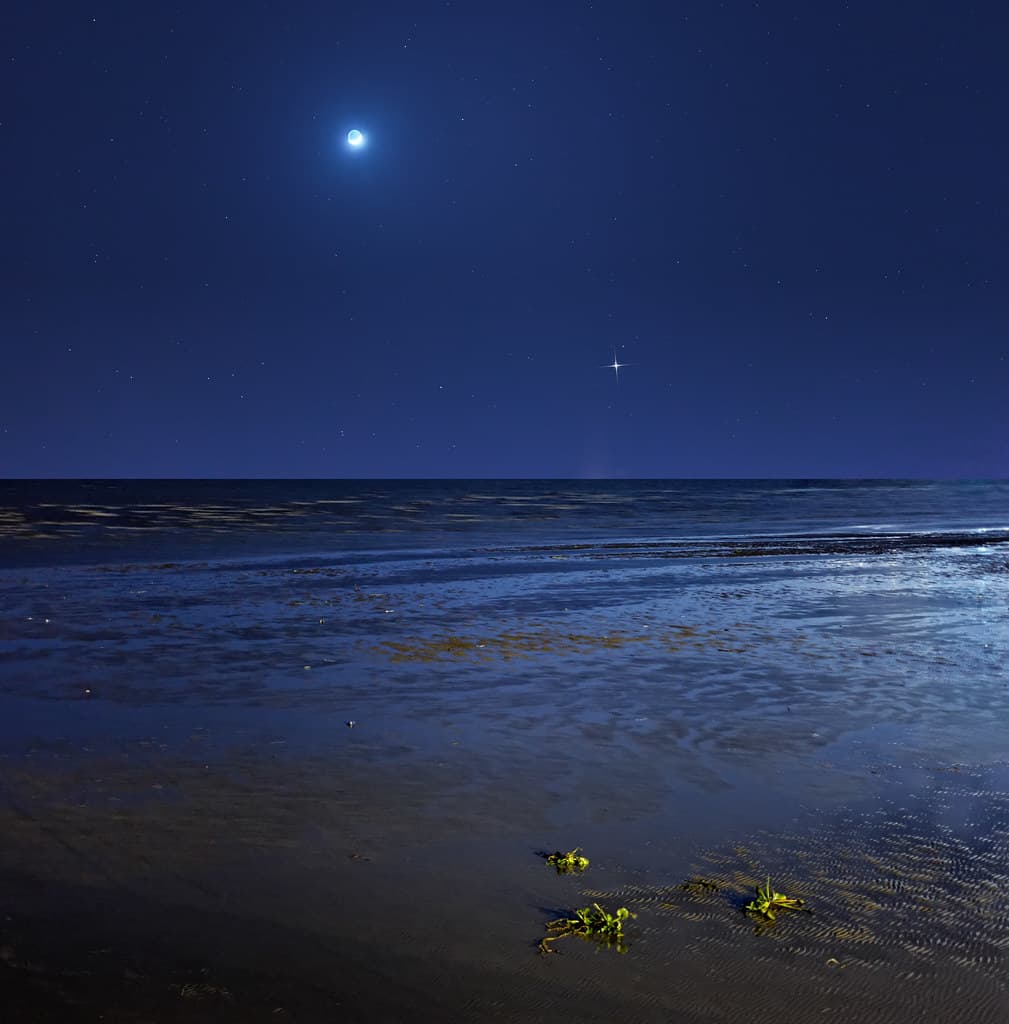
Counting the waves…
Counting the waves…
A refined fusion of water purity, environmental stability, and communal vibrancy for Playa Costanera San Fernando.
View MethodologyAnalyzed via live sensors and environmental data.
Wave height, wind, and atmospheric stability.
Live footfall and crowd balance metrics.
Community reviews and curated sentiment.
“You won't find surf here—just mud-tinged shallows lapping concrete and a promenade where families spread blankets on narrow beach strips. But as the sun drops behind Buenos Aires' industrial skyline, casting bronze…”
Higher weekend density may affect water purity and crowd scores temporarily.
Playa Costanera San Fernando sits where the city meets the Río de la Plata, a working-class alternative to the polished delta resorts an hour north. The beach itself is a modest affair: beige sand interrupted by patches of pebble and silt, framed by a palm-dotted walkway where joggers and dog-walkers outnumber tourists. The water runs shallow and brown—tributaries carry sediment from upstream—but on sweltering January afternoons, locals wade in without hesitation, kids shrieking as they splash near the shoreline.
The real draw unfolds at dusk. Food carts materialize along the costanera selling choripán and fainá, their smoke mingling with the scent of river mud and cut grass. You'll hear cumbia from portable speakers, the clink of glass Quilmes bottles, the low murmur of conversations in Rioplatense Spanish. Benches face west, and regulars know which angles catch the last light without the glare of streetlamps.
Bring your own blanket daily
Buenos Aires silhouette at dusk
Street sausage sandwiches at sunset
Prime Visitation
Less Crowds
Where it is
Playa Costanera San Fernando
San Fernando, Buenos Aires, Argentina
-34.440900°, -58.533900°
Weather
Loading…
Swell
—
Temp
Warm · Restorative
UV Index
Moderate
Wind
—
Tidal State
Last known
Max Sunlight
—
Ideal Shade
—
Jan - Dec (Peak)
Mar - Nov (Off-season)
Historical data suggests peak visibility and stable sea temperatures occur during the prime visitation window.
Select a category to load nearby places.
Unlock restaurants, luxury stays and curated maritime experiences within 2km
Playa Costanera San Fernando functions more as an urban waterfront recreational area than a traditional swimming beach. The water quality in this section of the Río de la Plata is generally not ideal for swimming, and most visitors use the space for walking, sunbathing, and socializing rather than water activities. If you do wade in, stay in very shallow areas and be aware that there are no lifeguard services. The beach's urban setting means it's more about the social atmosphere and sunset views than aquatic recreation. Always exercise caution and observe what locals are doing—if they're not swimming, it's best to follow their lead.
Playa Costanera San Fernando is best enjoyed during late afternoon and early evening, particularly for sunset views over the Río de la Plata. Weekdays offer a more local, less crowded experience compared to weekends when families and groups gather. The summer months (December-March) provide warm weather for outdoor relaxation, though the urban waterfront can be enjoyed year-round for walks and mate-drinking. Spring and autumn offer comfortable temperatures without intense summer heat. Early morning visits appeal to joggers and those seeking quiet time. The beach's urban character means it's accessible anytime, but sunset hours showcase its scenic appeal best.
Playa Costanera San Fernando is accessible from Buenos Aires via the northern train lines, with San Fernando being a stop on commuter rail services. The journey typically takes 45-60 minutes from central Buenos Aires. From the San Fernando station, the costanera waterfront area is reachable by local bus or a short taxi ride. Driving is another option via northern suburban routes, with street parking generally available though it may be limited on busy weekends. The beach's urban setting within a residential area means it's well-connected by local transport, though it's less tourist-oriented than Tigre, so some Spanish language skills or navigation apps can be helpful.
The San Fernando waterfront area features local restaurants and cafés catering primarily to neighborhood residents rather than tourists. You'll find Argentine parrillas, pizzerias, and casual dining spots serving traditional fare, particularly along the costanera promenade. Food options increase on weekends when more establishments open. Lodging in San Fernando itself is limited, as this is primarily a residential suburb. Most international visitors stay in Buenos Aires or Tigre and visit as a day trip. Local ice cream shops and street food vendors operate during warmer months. The dining scene is authentically local, offering good value and a chance to experience Argentine suburban food culture.
Playa Costanera San Fernando offers an authentic urban waterfront experience distinct from more tourist-focused areas like Tigre. It's primarily a local gathering spot where San Fernando residents come to relax, exercise, and socialize, maintaining a genuine neighborhood atmosphere. The beach-style costanera serves as a public space for mate-sharing, sunset-watching, and casual outdoor recreation rather than swimming. Its separation from Tigre's delta tourism creates a different vibe—more residential and everyday. Visitors interested in observing authentic porteño suburban life will appreciate this unpretentious waterfront where locals simply enjoy their river access without commercial tourist infrastructure or international crowds.