
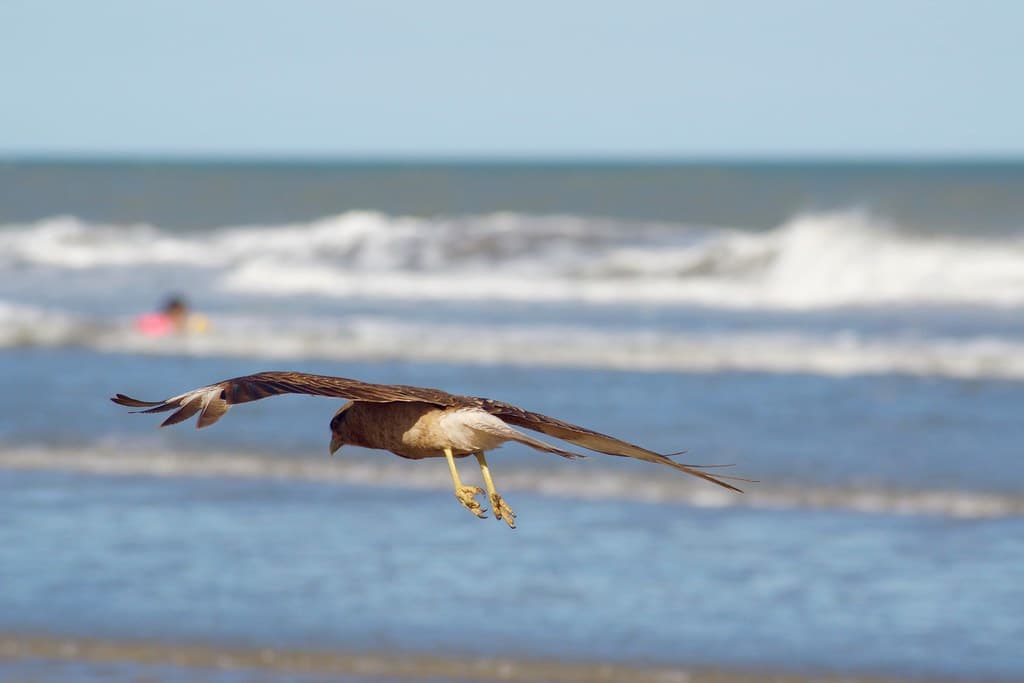
Valeria del Mar doesn't announce itself. You arrive along Route 11, past the pine groves that line this entire stretch of Buenos Aires coast, and suddenly the asphalt gives way to a grid of quiet streets named after composers and poets. The beach unfolds in a long, uninterrupted ribbon—no boardwalk, no jet skis, just sand the color of brown sugar and waves that roll in with metronomic consistency from the South Atlantic.
“This is the Atlantic coast address where middle-class Argentine families build summer traditions, not Instagram moments.”
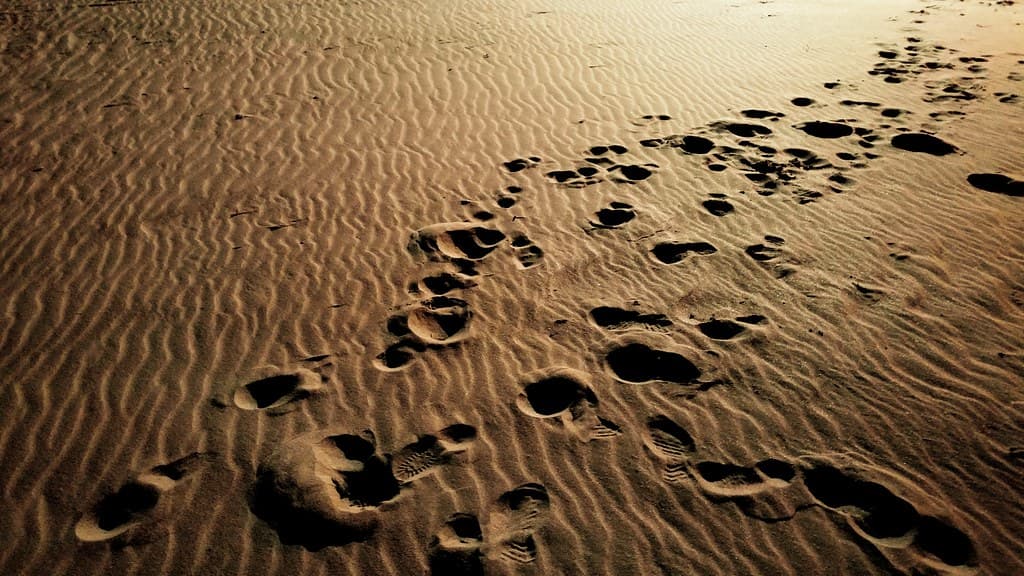 Credit: Flickr
Playa Nocturna
Families return here season after season, renting the same modest houses with their terracotta roofs and sun-bleached shutters. By mid-morning, the beach fills with multi-generational clans: grandmothers under striped canvas tents, fathers teaching kids to body-surf in the shore break, teenagers playing truco on beach towels. The water stays brisk even in January—around 19°C—but nobody seems to mind. You'll see more mate thermoses than cocktails, more soccer balls than paddleboards.
When the afternoon wind picks up, as it always does, you retreat to the cluster of cafés and ice cream shops along Avenida Costanera. Order a pancho completo or a slice of lemon pie, watch the light soften over the dunes, and understand why Porteños keep this address to themselves while the crowds flock to Pinamar, just eight kilometers north.


