

The drive from Verónica town cuts through fields of soy and grazing pastures before the road simply ends at sand. You'll park among pickups whose beds carry coolers and folding chairs, the vehicles belonging to families who've been coming here for generations. The beach stretches flat and wide, the kind of expanse that makes children look smaller and the sky impossibly large.
“One of the few Atlantic beaches where Argentina's agricultural heartland directly meets the sea, no coastal development in between.”
 Credit: Flickr
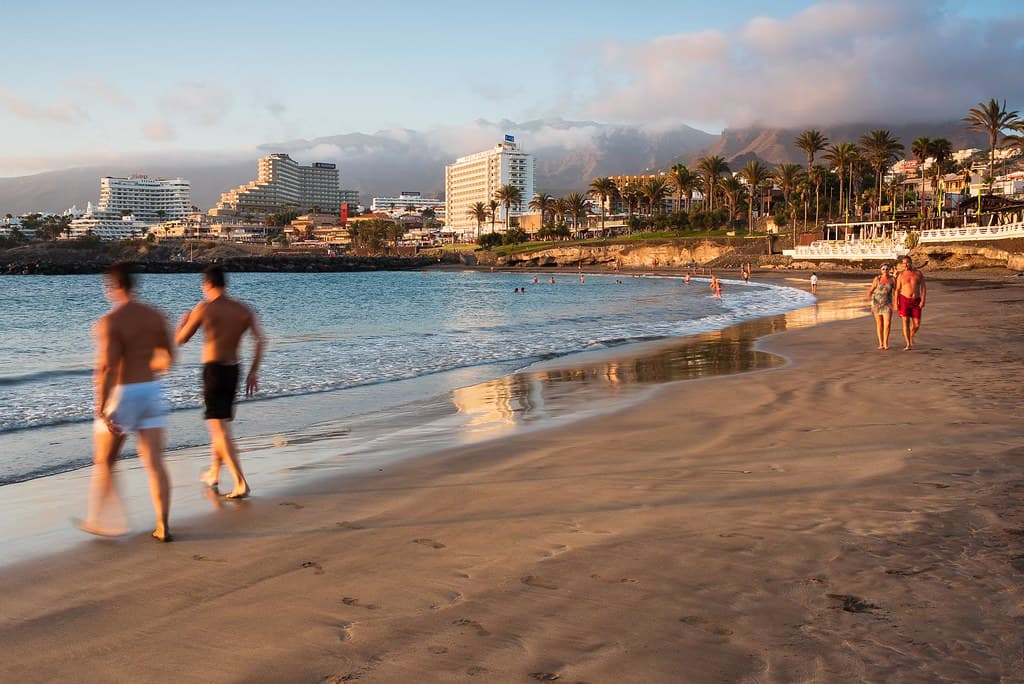
playa de las americas_150806_0253
Samborombón Bay's shallow, muddy-bottomed water warms quickly under the summer sun, turning the color of weak tea where it laps the shore. Wading out, you'll feel silty sand compress beneath your feet, notice how the water barely reaches your knees even fifty meters from the beach. This is estuary country, where the Río de la Plata mingles with ocean currents, creating habitat for shore birds that pick along the tide line—terns, plovers, the occasional flamingo standing improbably pink against dun-colored water.
The air carries salt and the faint perfume of cattle from inland ranches. By late afternoon, when the few families pack up their thermoses and shake sand from blankets, the beach returns to the birds and the wind. There's no dramatic sunset infrastructure here—no boardwalk or observation deck—just you, the sand, and the slow realization that solitude on the Argentine coast feels less like escape and more like coming home to a place you'd somehow forgotten.


