
Seventeen kilometers north of Puerto Madryn, Playa El Doradillo curves along Golfo Nuevo in a long, gentle arc where the Atlantic runs shallow for hundreds of meters. The beach itself is a study in muted Patagonian tones—tawny sand mixed with smooth stones, ochre bluffs rising behind you, and water that shifts from jade to pewter depending on the light. But from June through December, the real drama unfolds offshore, where southern right whales arrive to birth and nurse their calves in the gulf's calm, temperate waters.
“This is one of the only beaches on Earth where you can legally stand on shore and watch whales nurse their young in arm's reach shallows.”
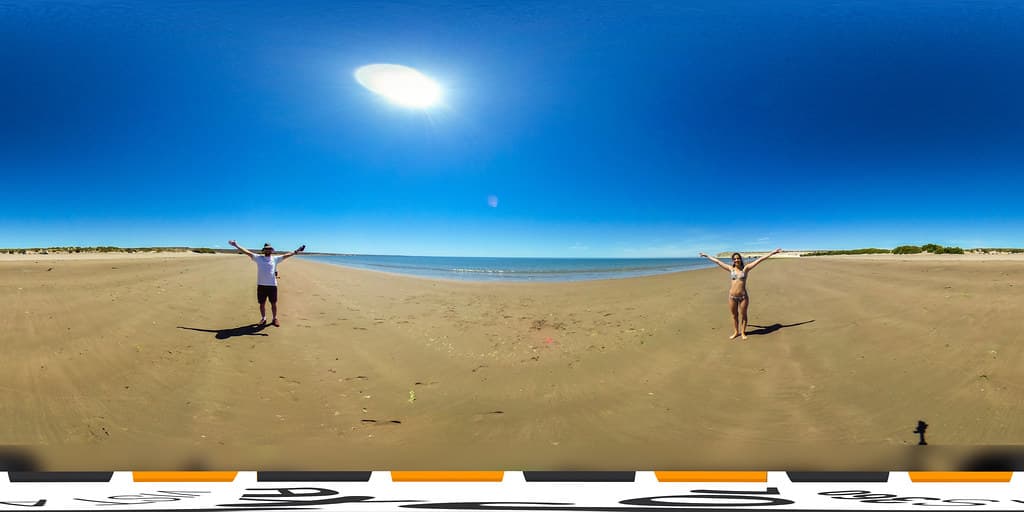 Credit: Flickr
Playa El Doradillo — photo by galensonet
You wade in during low tide and the whales surface close enough that you hear the wet percussion of their blowholes, see barnacle clusters mapping their skin, watch calves breach clumsily beside patient mothers. No boats are required here—the animals choose these shallows deliberately, seeking warmth and shelter. Local regulations prohibit approaching within fifty meters on foot, but the whales often close that distance themselves, curious and unbothered.
The beach remains remarkably uncommercialized. A few roadside parrillas sell choripán on weekends; otherwise it's just you, the wind-sculpted cliffs, and families spreading blankets on the sand. The gravel road runs parallel to the shore, and you can pull off wherever the whales congregate. Bring binoculars, but expect to barely need them. What makes El Doradillo extraordinary isn't just proximity—it's the lack of mediation between you and one of the ocean's most intelligent creatures.


