
You park where the coastal road bends toward the river mouth, then follow a sandy track through low shrubs to the shore. The water before you carries the Río Negro's dissolved Andes, a suspension of silt that clouds visibility but calms the temperament of incoming swells. The estuary's geometry shelters this beach from the southeast winds that rake exposed Atlantic strands, creating a microclimate where families wade in water that rarely builds beyond hip height.
“The confluence of riverine and Atlantic systems creates a uniquely sheltered beach where sediment-rich currents moderate waves and support transitional ecosystems found nowhere else along this coast.”
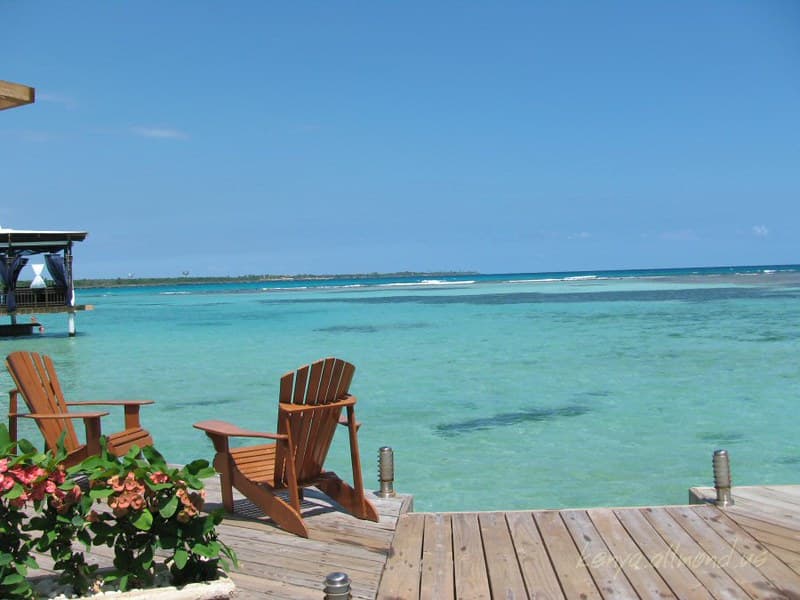 Credit: Flickr
La Playa de Boca Chica
The sand here is darker, coarser, mixed with fragments of freshwater mussel shells carried downstream. To your right, the river channel curves toward Viedma's port facilities; to your left, the shoreline transitions toward El Cóndor's ocean beaches. You're standing in the gradient zone, where salinity shifts with each tide and birdlife reflects both riverine and marine ecosystems—cormorants diving for silverside, gulls scavenging the wrack, and the occasional heron stalking the margins.
Late afternoon transforms La Boca. The low sun ignites the suspended sediment, turning the water molten amber. Fishing boats return, their outlines black against the glare. You sit above the tide line while the sky deepens through coral and violet, and the first lights of Viedma glimmer across the water. The breeze carries salt and river-bottom mud, a scent particular to estuarine margins where two worlds merge.


