
Bahía Uruguay bends away from the prevailing southwesterlies, its horseshoe shape intercepting wind and wave with equal efficiency. The result is a beach that feels almost benevolent by Patagonian standards—surf that laps rather than crashes, pebbles small enough to walk barefoot without grimacing, air calm enough for thermos cups to remain upright. Local families have claimed this cove for generations, recognizing shelter when they find it in a region where wind typically dictates all outdoor plans.
“The only sheltered family beach south of Puerto Deseado where Patagonia's notorious wind relaxes enough for conventional beach activities.”
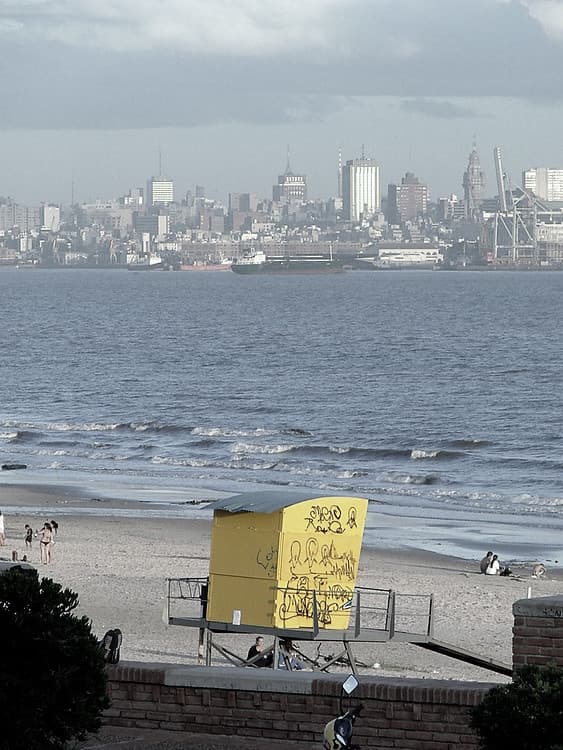 Credit: Flickr
Playa del Cerro
The stones here tell migration stories. You'll find pebbles of granite, basalt, and sandstone, each carried from different geological provinces by ancient glaciers and modern currents. They click softly underfoot, a gentler version of the rattling chaos at exposed beaches. Tide pools form in depressions where larger rocks create natural aquariums, hosting crabs that scuttle sideways when shadows pass overhead. The water itself runs clearer here than along the open coast, its relative stillness allowing sediment to settle.
Weekends bring pickup trucks parked above the beach, their beds loaded with coolers, folding chairs, and windbreaks optimistically deployed. Extended families spread across the cove, staking territorial claims marked by beach umbrellas and mate gourds. Children construct pebble towers that last until the tide creeps up to reclaim the beach. It's profoundly ordinary—precisely what makes it valuable along a coast where ordinary often feels impossible.


