
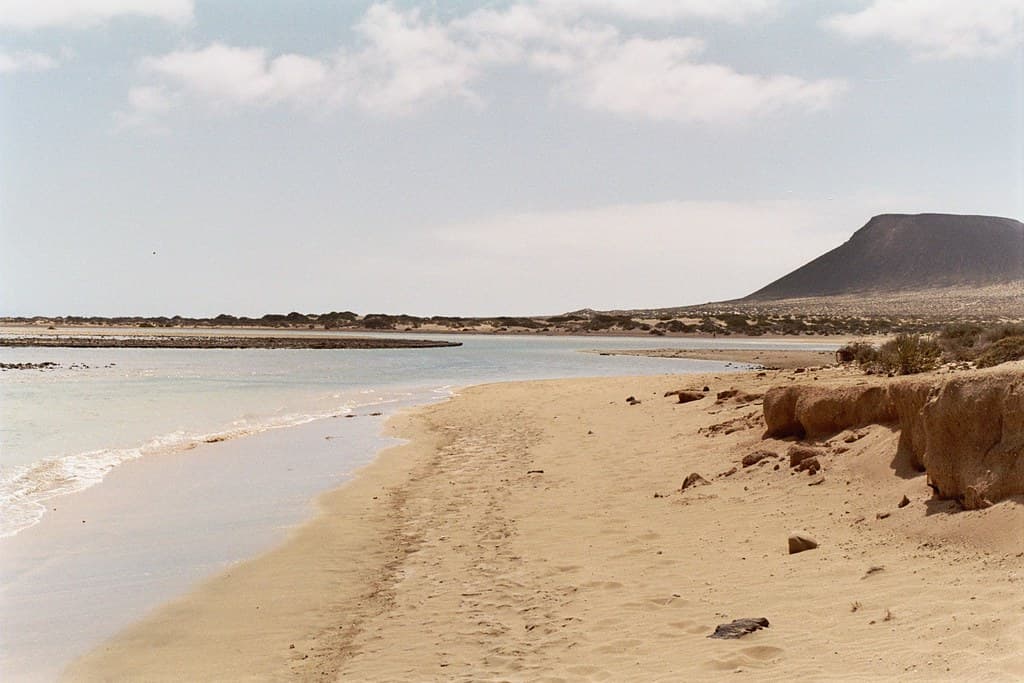
The shore is a mix of fist-sized stones and bleached driftwood, tree limbs stripped smooth by years of tidal tumble. You scan the beach and see no footprints, no fire rings, no jetty—just a thin ribbon of land wedged between black water and a low rise of coirón grass. Isla H earns its designation on nautical charts as a minor anchorage, a sheltered nook where captains drop anchor to wait out squalls or check rigging before the wider crossing toward Navarino.
“A true navigational reference point with no tourist infrastructure, visited only by those charting the Beagle Channel firsthand.”
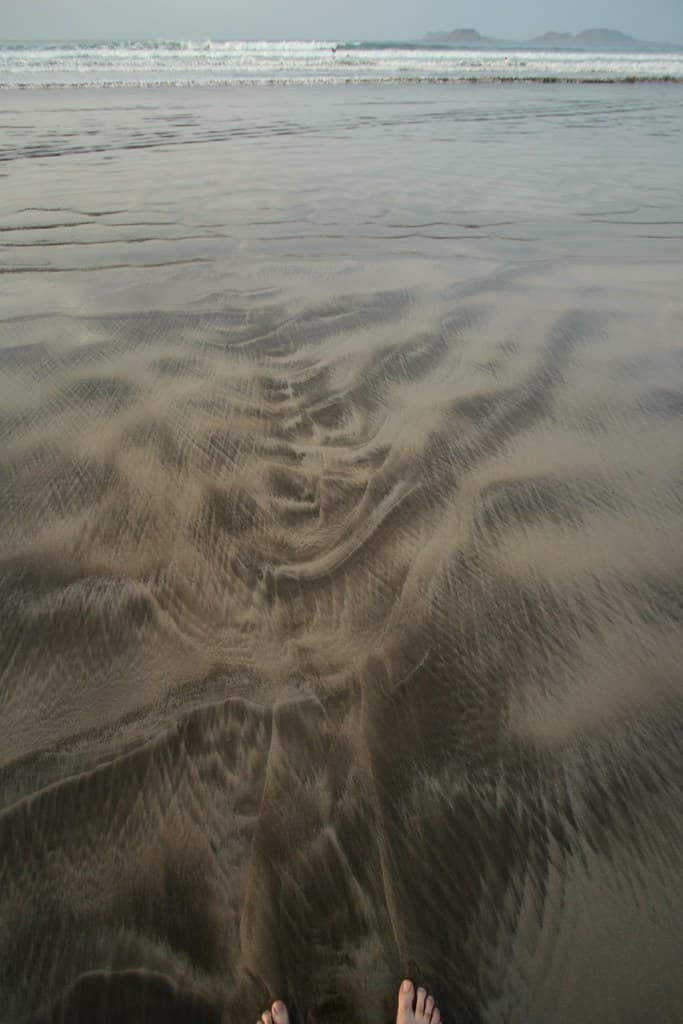 Credit: Flickr
Feet Surf - IMG_2771
The wind carries the smell of rotting kelp and wet stone. Gulls cry overhead, pivoting on thermals that rise off the ridge. You crouch to inspect the tide line: a tangle of bull kelp holdfasts, mussel shells ground to purple fragments, a length of rusted wire likely jettisoned decades ago. A southern sea lion surfaces twenty meters out, huffing once before disappearing beneath the olive-green chop.
There's no marked trail, no ranger station, no interpretive sign. You've come here because your guide knows the island as a quiet lunch stop between penguin colonies and lighthouse visits. The silence is profound—no engine hum, no distant traffic. Just the knock of stones shifting in the surge and the low moan of wind threading through the sedge. You pour mate from a thermos, feel the cold seep through your boots, and understand why sailors mark this place: it offers just enough shelter to remember you're still vulnerable.


