Counting the waves…
Counting the waves…
A refined fusion of water purity, environmental stability, and communal vibrancy for Cave Beach.
View MethodologyAnalyzed via live sensors and environmental data.
Wave height, wind, and atmospheric stability.
Live footfall and crowd balance metrics.
Community reviews and curated sentiment.
“You'll leave the carpark behind and pick your way down a narrow track flanked by banksias and tea-trees, the ocean revealing itself in glimpses. At the bottom, a crescent of bone-white sand curves between rock ledges,…”
Limited recent visitor reports — live OBI telemetry is your best guide for current conditions.
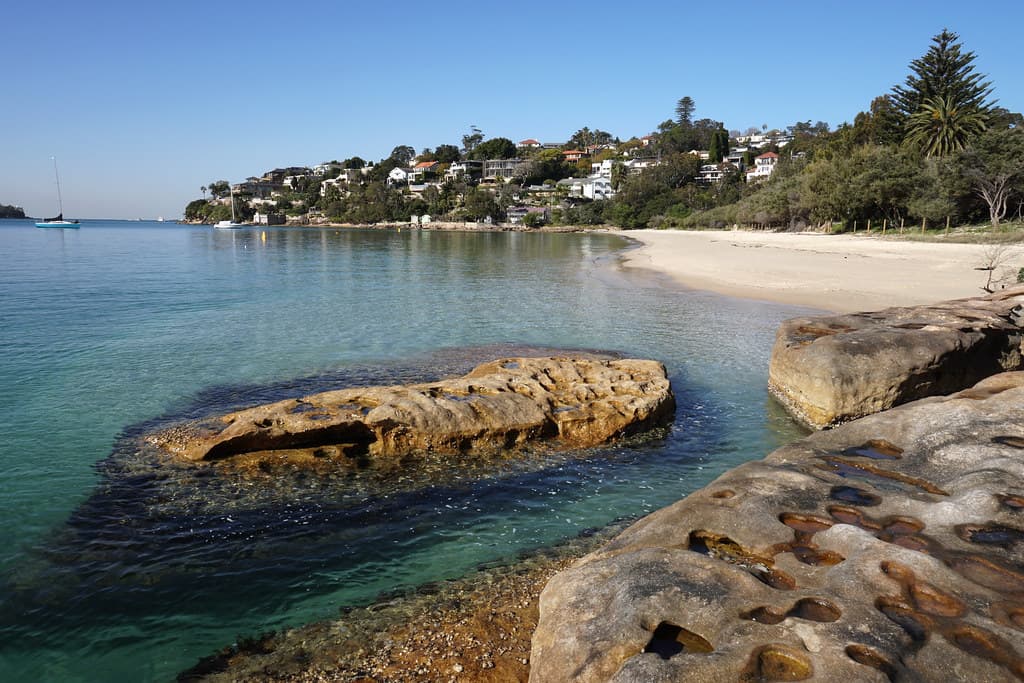
The descent to Cave Beach feels like slipping through a secret door. Scrub closes in on both sides of the path, releasing the sharp eucalyptus tang with every brush of your sleeve, before opening onto a sliver of shoreline that belongs more to the birds than to any crowd. The sand here is almost too bright to look at midday—Jervis Bay's famously fine quartz grains squeaking underfoot as you stake your claim beneath the shade of an overhanging rock shelf.
The water barely moves. You'll wade out over sand ripples sculpted by yesterday's tide, the bay so shallow for the first twenty metres that children can potter waist-deep while you float on your back, eyes closed against the glare. When the wind picks up in the afternoon, it ruffles the surface but never builds to anything aggressive; this is a bay that holds its temper.
Calm bay, ideal for children
Natural frames at each end
Overhangs cool by midday heat
Where it is
Cave Beach
Jervis Bay, Jervis Bay Territory, Australia
-35.088000°, 150.651200°
Weather
Loading…
Swell
—
Temp
Warm · Restorative
UV Index
Moderate
Wind
—
Tidal State
Last known
Max Sunlight
—
Ideal Shade
—
Jan - Dec (Peak)
Mar - Nov (Off-season)
Historical data suggests peak visibility and stable sea temperatures occur during the prime visitation window.
Select a category to load nearby places.
Unlock restaurants, luxury stays and curated maritime experiences within 2km
Cave Beach is generally calm and suitable for swimming, particularly for families with children. The sheltered location within Jervis Bay typically means gentler waves compared to ocean-facing beaches. However, there are no lifeguard patrols, so swim at your own risk and stay within your depth. Always check current conditions before entering the water, as tides and weather can affect safety. The beach's secluded nature means fewer people are around in emergencies, so exercise caution and never swim alone.
Cave Beach can be enjoyed year-round thanks to Jervis Bay's temperate climate. Summer (December-February) offers warm swimming conditions with temperatures around 25-30°C, though it attracts more visitors. Autumn and spring provide mild weather with fewer crowds, ideal for peaceful beach walks and relaxation. Winter remains pleasant for exploring, with cooler temperatures around 15-20°C. Weekdays are generally quieter than weekends throughout the year. Early morning visits offer the best chance of having this hidden gem to yourself.
Cave Beach is accessed via Cave Beach Road off Jervis Bay Road in the Jervis Bay Territory. The beach is relatively secluded and requires a short walk from the small parking area at the road's end. Parking space is limited, accommodating only a handful of vehicles, so arriving early is recommended, especially on weekends and holidays. A 2WD vehicle is suitable for the sealed road access. The walk to the beach is brief and manageable for most fitness levels.
Cave Beach has no facilities, amenities, or food vendors on-site, so come fully prepared. Bring your own food, water, sunscreen, and shade equipment. The nearest shops, cafes, and restaurants are in Huskisson, approximately 10 minutes' drive away, where you'll find supermarkets and diverse dining options. Public toilets are not available at Cave Beach itself. For accommodation, Huskisson and Vincentia offer hotels, holiday parks, and rental properties within a short drive of the beach.
Cave Beach takes its name from rock formations and small cave-like overhangs found along the shoreline and surrounding headlands. While not large caverns, these natural rock features add to the beach's scenic appeal and provide interesting areas to explore during low tide. The rocky outcrops also create sheltered spots and tidal pools. Always exercise caution when exploring rocks, watching for slippery surfaces and changing tides. These geological features contribute to the beach's secluded, intimate atmosphere that makes it special.