
The first thing you notice is the geometry. Hexagonal basalt columns rise from the sand like organ pipes, their edges softened by millennia of salt spray but still unmistakably angular. These volcanic remnants frame the beach in a way that feels more Icelandic than Australian, a consequence of ancient lava flows that cooled into this startling honeycomb stone. You walk across rock platforms worn smooth by tides, each step requiring attention as barnacles cling to the darker patches.
“The juxtaposition of active industrial quarrying against ancient volcanic formations creates a shoreline where geological time and human enterprise collide visibly.”
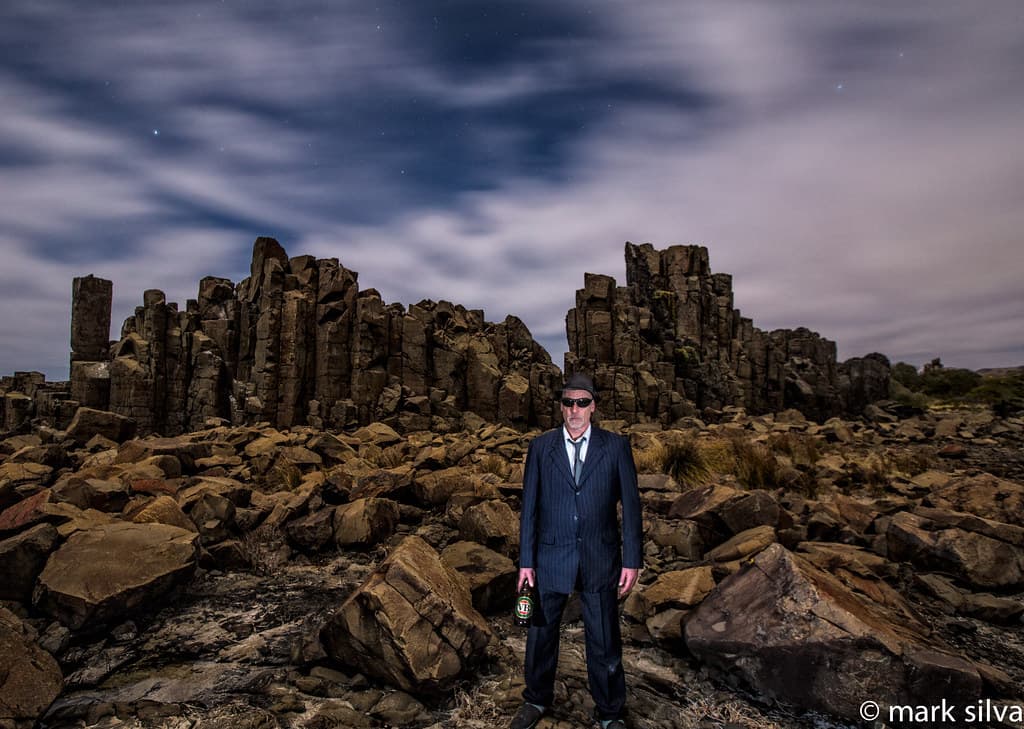 Credit: Flickr
trudging back over pebbles and sand
The adjacent Bombo Quarry continues to operate, its cranes visible against the sky, and this proximity to industry lends the beach an unexpected character. There's no resort development here, no cafe with a view—just you, the surf, and the knowledge that humans have been extracting stone from this headland for more than a century. Surfers paddle out near the northern rocks, reading swells that wrap around the basalt point, while photographers time their visits for low tide when the platforms reveal tidal pools stippled with anemones.
The beach itself runs narrow and dark-sanded, backed by low dunes and the occasional Norfolk pine. Locals arrive with dogs and surfboards in equal measure, treating the shore as a daily necessity rather than a destination. You'll find no lifeguard towers or flags here, just the unvarnished Illawarra coast doing what it's done since before the quarry's first blast.


