
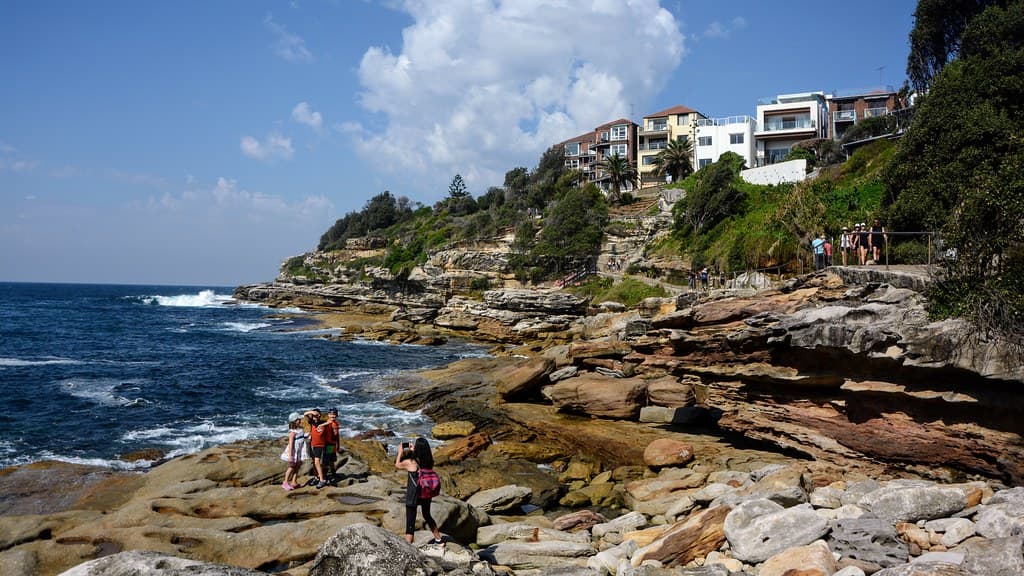
The sand beneath your feet is coarse and warm, tracked by barefoot commuters who've detoured from the bus stop for a dawn swim. Bondi's rip currents are infamous—red-and-yellow flags mark the safe zone between North Bondi's mellow shore break and the southern end's dumping waves—and the bronzed lifeguards in their iconic red-and-yellow caps patrol with the seriousness of a national institution. You'll see toddlers splashing in ankle-deep foam while, thirty meters out, shortboarders duck-dive through six-foot sets.
“Nowhere else does a world-class surf break sit fifteen minutes by bus from a global city's central business district.”
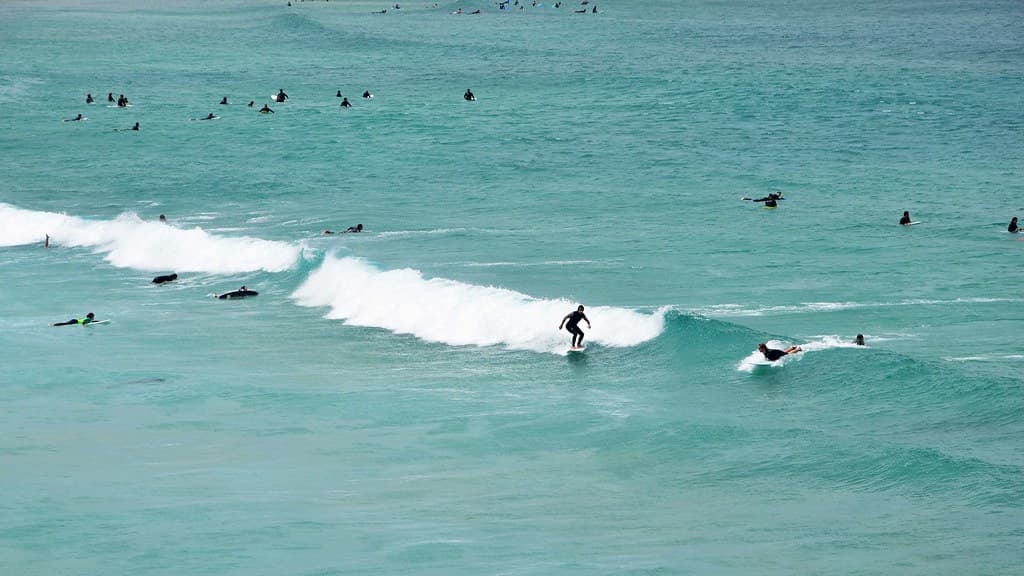 Credit: Flickr
Surf’s Up - Bondi Beach, Sydney, Australia 2016
The promenade hums year-round: roller skaters weave past pram-pushing parents, and the scent of flat whites drifts from crowded kiosks. Gulls wheel above picnic blankets spread on the grassed reserve, where families claim shade beneath sprawling Norfolk pines. By midday the sand is a patchwork of striped towels, and the water churns with bodies—this is not a place for solitude, but for the electric democracy of a beach that belongs to everyone.
When the afternoon light slants low, climb the worn stone steps toward Ben Buckler Point or wander south along the clifftop coastal walk. The sandstone glows amber, waves detonate against the Icebergs' seawall, and the city's eastern sprawl unfolds behind you—a reminder that Bondi's magic lies in its refusal to choose between wilderness and urbanity.


