
The headland takes its name from the iron-rich cliffs that glow copper in afternoon light, staining the sand beneath them in streaks of rust and amber. You reach the beach via a short walk from the car park, past banksia scrub and sea lettuce that crunches underfoot. The surf here is gentle most days—reliable shore breaks that fold rather than crash, appealing to learners and longboarders who appreciate the forgiving rollers.
“The rust-hued sandstone cliffs stain the shore in mineral streaks found nowhere else along the Clarence Coast.”
 Credit: Flickr
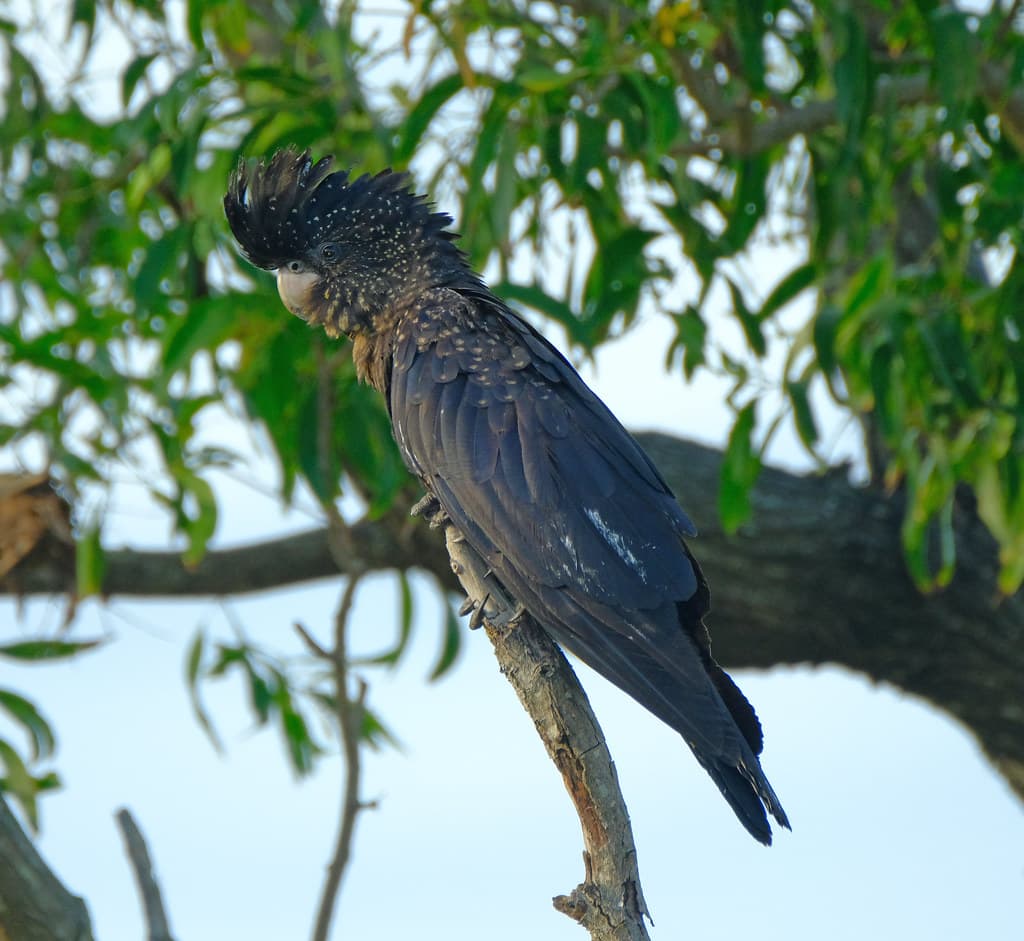
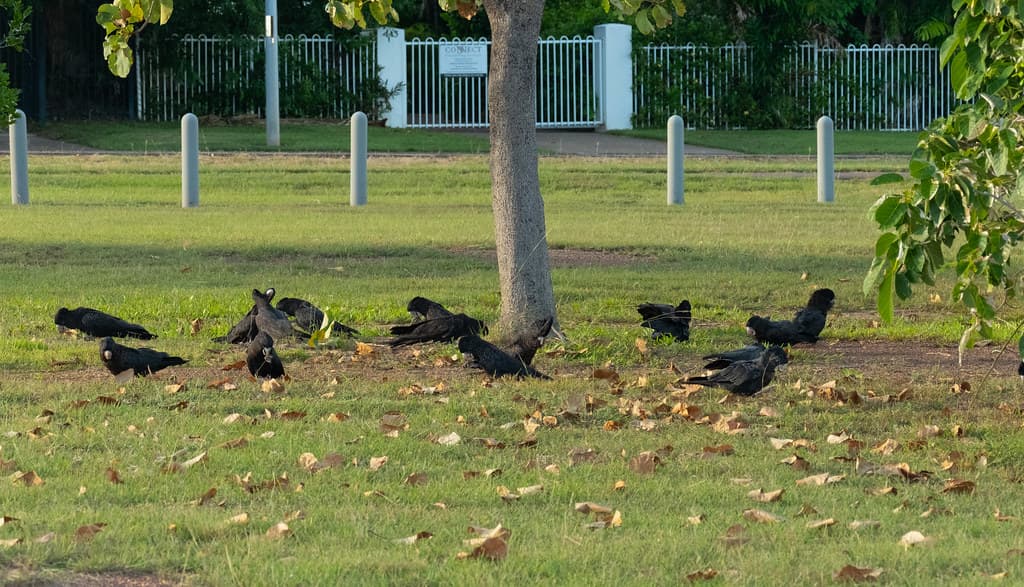
Red-Tailed Black Cockatoos - Casuarina Coastal Reserve, Darwin, NT, Australia
North of the main strand, rock platforms emerge at low tide, their pools warm and clear enough to spot crabs skittering between kelp holdfasts. Bring a mesh bag if you're inclined to fossick for pipis in the shallows; locals do, and they'll nod as they pass. The beach faces east, so dawn arrives with pelicans working the break and kookaburras calling from the she-oaks that fringe the dunes.
Brooms Head village sits five minutes back along the sealed road—a weatherboard store, a bowls club, a caravan park where the sites face the water. There are no lifeguards here, no surf school banners snapping in the wind. What you get instead is space: enough sand to claim your own stretch, enough quiet to hear the wind in the casuarinas, enough anonymity to spend an entire afternoon doing nothing but watching the tide turn.


