
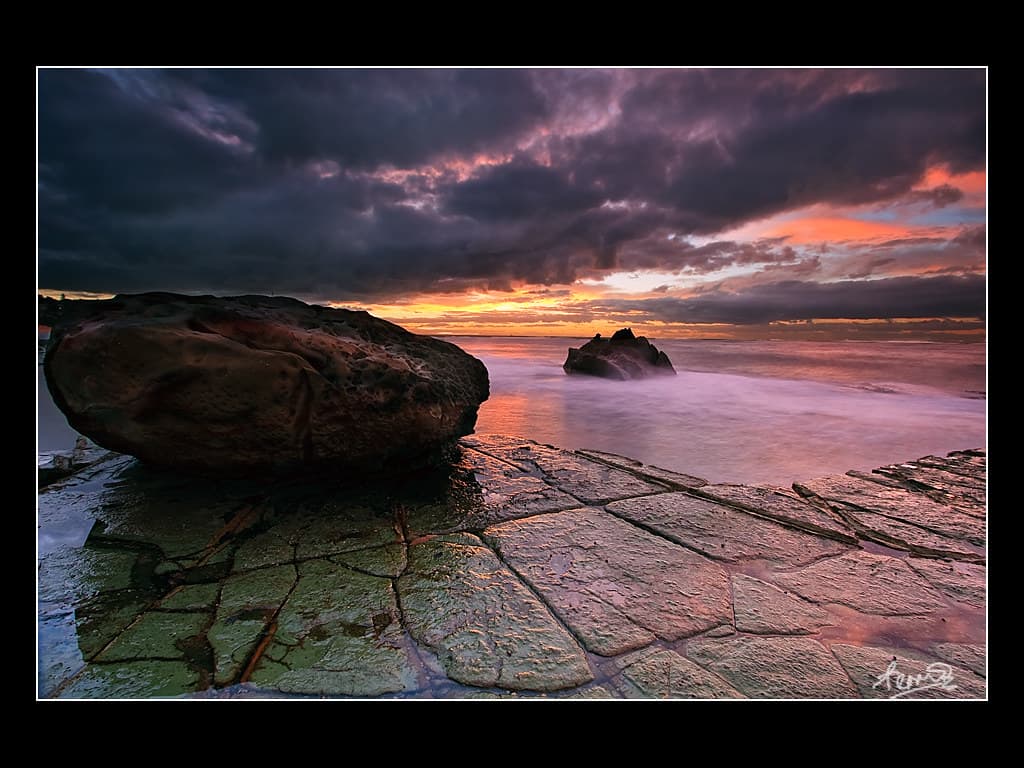
The car park sits above the sand, framed by coastal ti-trees that rattle in the onshore wind. You descend a short pathway and the beach opens before you: a kilometre-long stretch where the Tasman Sea rolls in with dependable force. Unlike its celebrity neighbours, Forresters doesn't court crowds. Surfers dot the line-up at dawn, waiting for sets that march in from deep water, while dog walkers leave footprints along the firm sand at low tide.
“A working surf beach where the ocean's power takes precedence over tourist amenities, keeping crowds thin and locals loyal.”
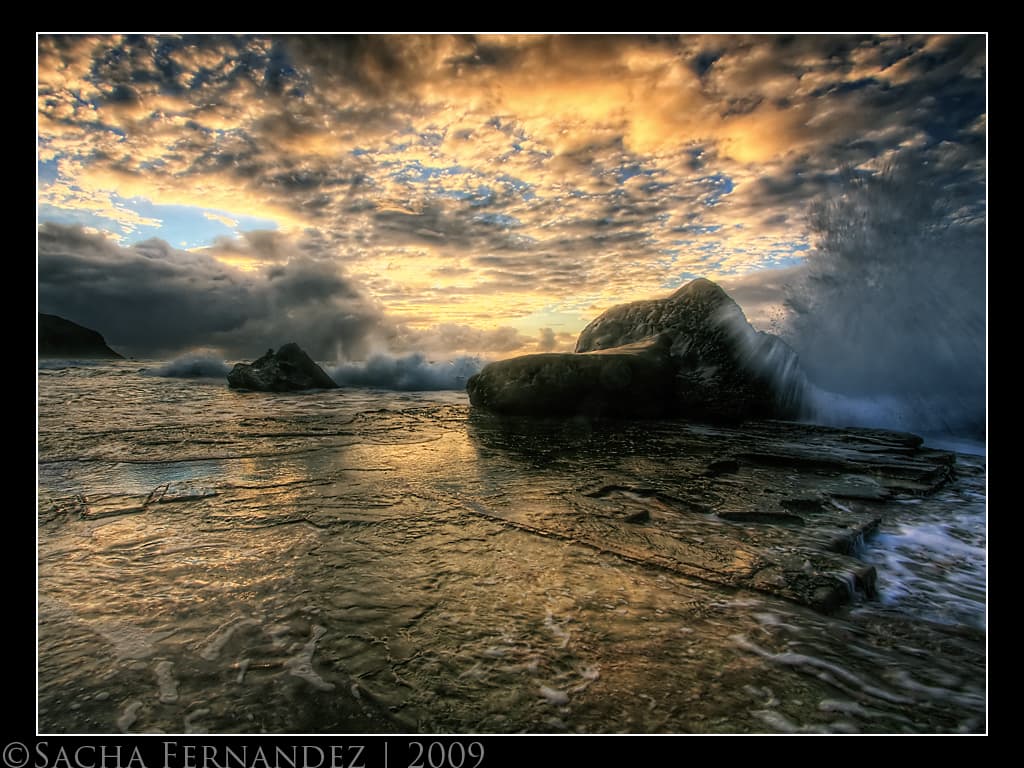 Credit: Flickr
Forresters Crashing Waves
Mid-morning, you'll notice families claim patches near the flags, spreading towels on sand that's coarser than you'd find at sheltered bays. The ocean here doesn't coddle—it demands respect. Rips carve channels near the rocks at either end, and the shore break can flatten the unwary. But that rawness is the point. Between swims, you dry off on the grassy headland, where coastal banksias flower yellow against the blue, and kookaburras laugh from the picnic shelters.
By late afternoon, the westerly wind often backs off, smoothing the surface into evening glass. You'll watch the sun drop behind the escarpment as surfers paddle out for one last session, their silhouettes black against the tangerine sky. There's no boardwalk, no gelato stand—just the rhythmic thump of waves on sand and the knowledge that you've found what the coast used to be before it became a destination.


