
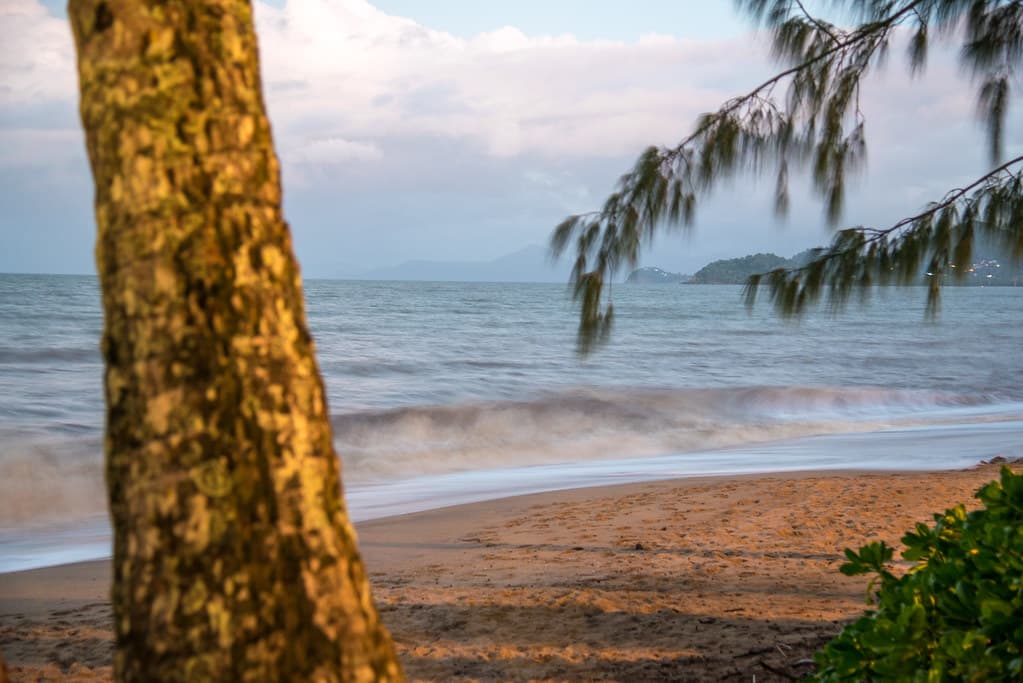
The 20-minute ferry from Church Point cuts a white wake through Pittwater's sheltered waters, passing weekend sailors and the odd dolphin fin before nosing into Great Mackerel Beach. You disembark onto a shore where the only vehicles are dinghies hauled above the tideline, and the loudest sound is the slap of small waves on hulls. Families have summered here for generations in weatherboard shacks painted faded blues and greens, their verandas strung with fishing nets and sun-bleached buoys.
“One of metropolitan Sydney's last roadless coastal settlements, reachable only by boat and preserved in deliberate quiet.”
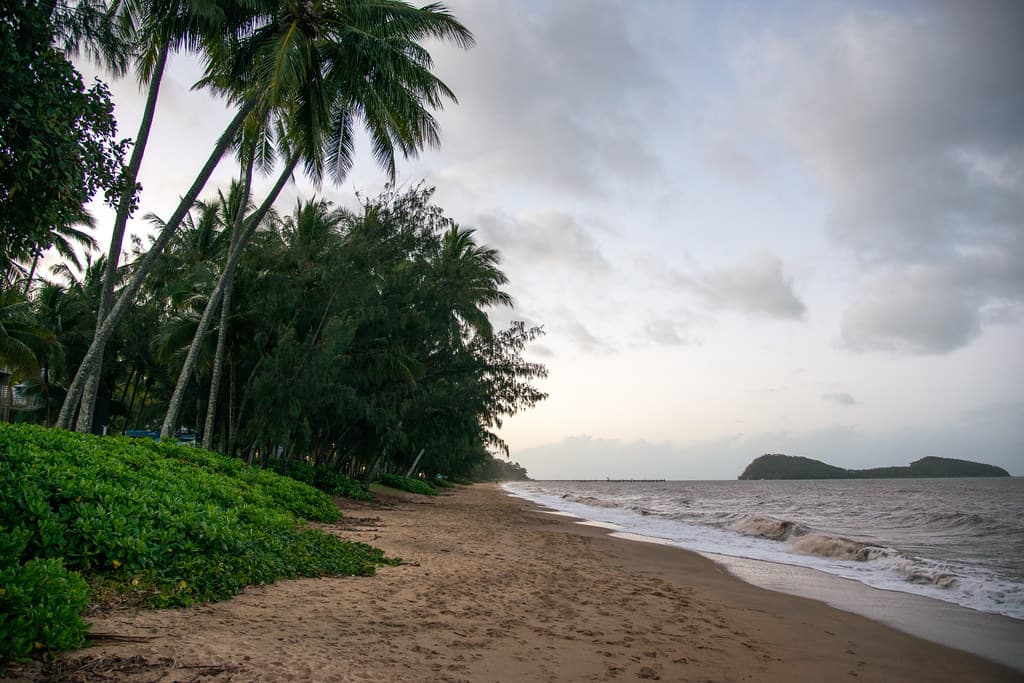 Credit: Flickr
Sunrise - Palm Cove
A walking track threads north toward the next cove, winding through banksia and scribbly gum, while the southern end opens to rockpools pocked with sea anemones and tiny darting fish. The water stays calm year-round, Pittwater's narrow mouth shielding it from ocean swells, making it safe for waist-deep wading even when easterlies churn the open coast. Locals paddle kayaks out at dawn, trailing fingers through water the color of green glass.
Stay overnight in one of the basic rental cottages—no shops, no cafés, just a communal tap and a sense of suspension. At dusk, possums rustle in the leaf litter, and across the water, Church Point's lights blink on one by one, a reminder of the world you've temporarily left behind.


