
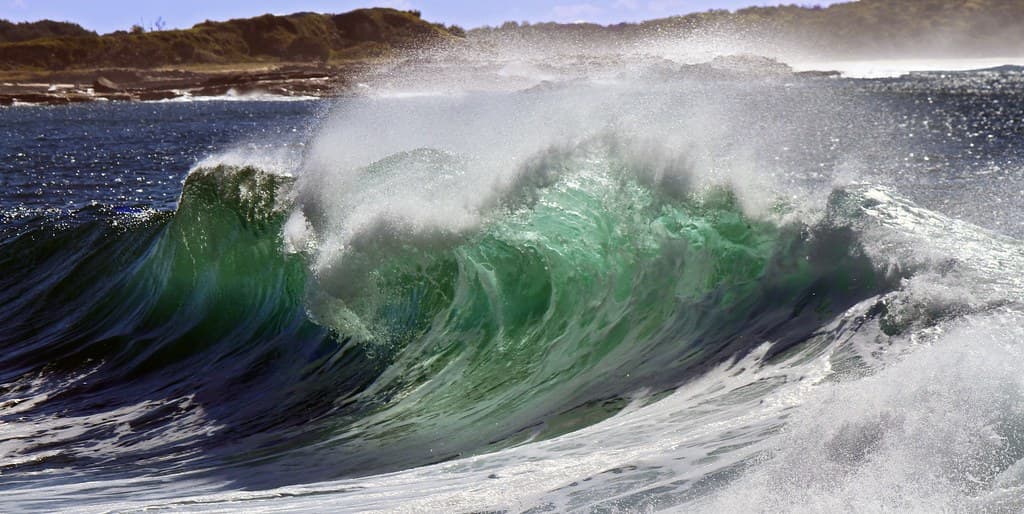
The path to Iluka Bluff Beach begins where the Norfolk pines thin out and the true coast asserts itself. You'll feel the wind shift as you crest the headland—salt spray mixing with eucalyptus, the distant boom of shore break announcing itself long before you see white water. This is not a beach for passive lounging; the bluff demands you engage with the landscape, to read the swell patterns, to watch migrating humpbacks breach offshore between May and November.
“The elevated bluff transforms beach-going into a topographic experience, offering vantage points that reveal whale migrations and river-mouth dynamics invisible from sea level.”
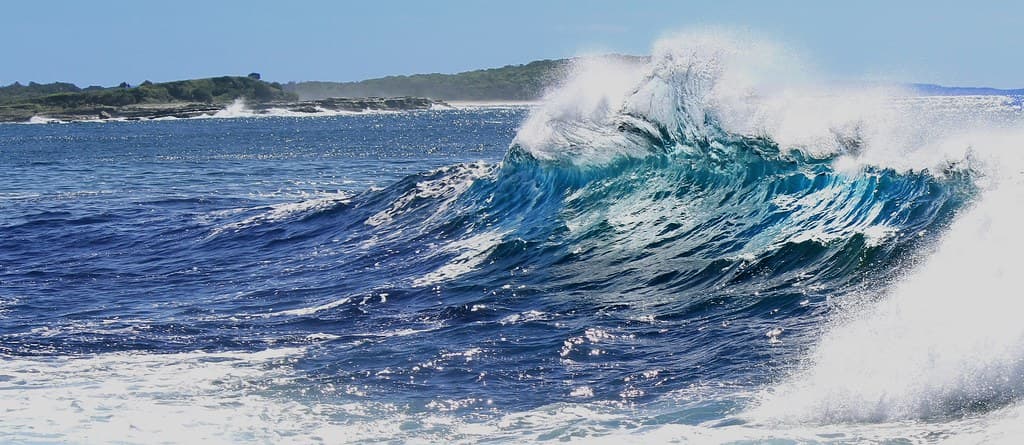 Credit: Flickr
Waves at Bluff beach
The break here holds shape even when nearby beaches turn to soup. Locals paddle out in the early light, their silhouettes dark against the dawn palette of apricot and steel. By midmorning, the nor'easter picks up and the bluff provides natural shelter for families who stake their territory on the southern end, where the sand is coarser and littered with fragments of pipis and volcanic rock smoothed to river stones.
What sets Iluka Bluff apart from the endless procession of New South Wales beaches is its dual citizenship—it belongs equally to the river and the ocean. You'll see it in the water's shifting moods, the way fishing trawlers navigate the river mouth at dawn, the manner in which the sandbar reconfigures after each significant swell. This is working coast, beautiful and unvarnished, where the infrastructure remains refreshingly minimal and the rhythms remain tidal.


