
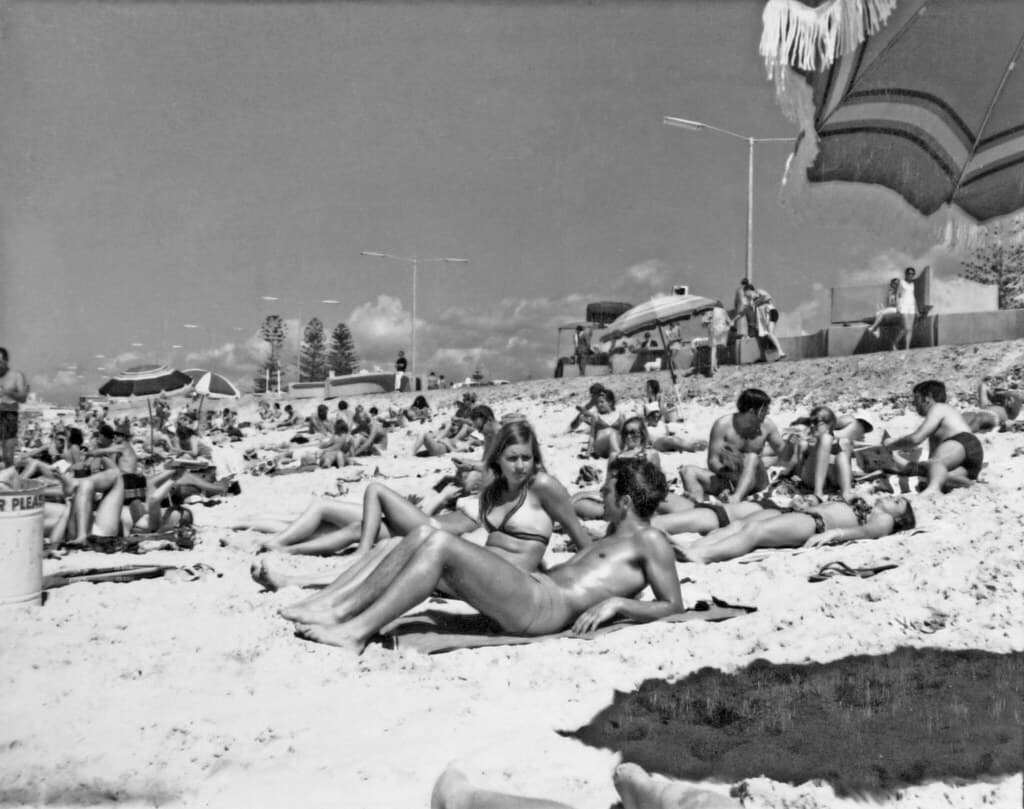
Booderee National Park doesn't advertise its best corners, and Greenfield Beach is proof. The 400-meter track from the car park winds through banksia scrub and stands of paperbark, their peeling trunks chalk-white against the green. When the trees open up, you're standing on sand fine enough to powder your ankles, facing a bay so shallow and calm it mirrors the sky for twenty meters out.
“One of the few beaches in Australia entirely managed by its Traditional Owners, where absence of development is cultural stewardship.”
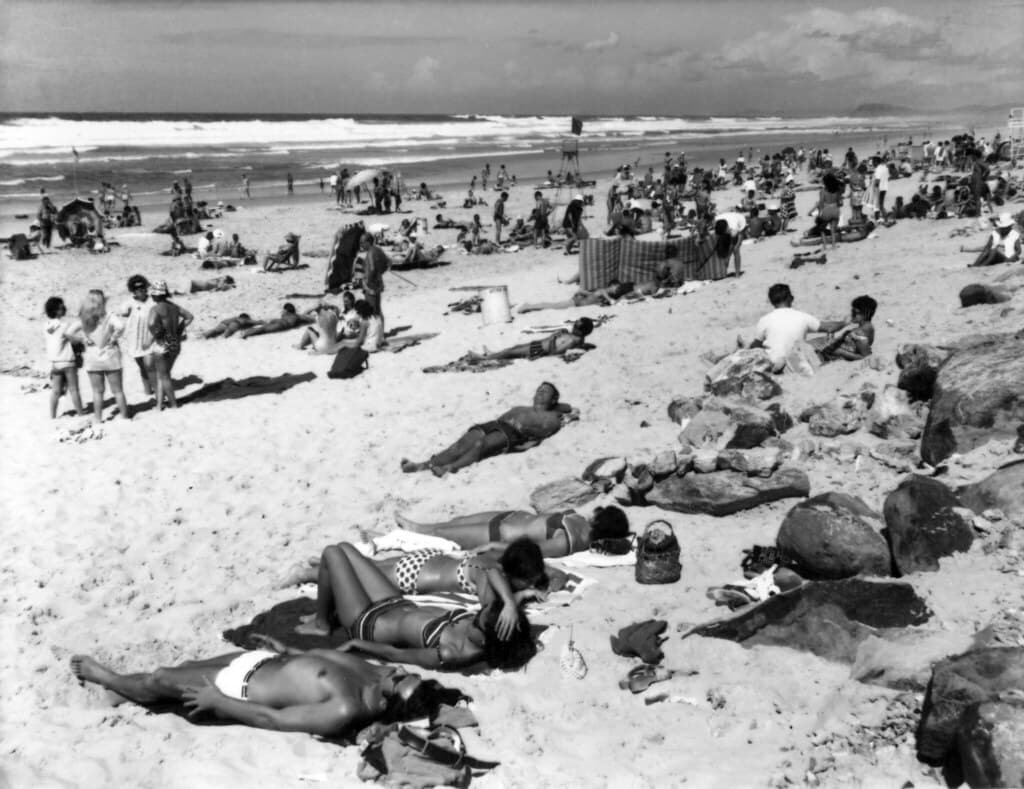 Credit: Flickr
Surfers Paradise Beach
The water temperature hovers around 18°C in winter, 22°C in summer—bracingly cool but swimmable year-round for those willing to commit. Families stake out the southern end where the sand slopes gently; walkers trace the tideline north toward the headland rocks, where black cormorants dry their wings in sculptural poses. At low tide, the waterline retreats far enough to expose rippled sandbars that trap warmth and tiny darting fish.
There are no kiosks, no lifeguard towers, no beach umbrellas for rent. You bring what you need—shade tent, esky, freshwater—and you take it all back out. The park's Indigenous custodians, the Wreck Bay Aboriginal Community, manage this land, and the lack of commercial infrastructure isn't oversight but intention. What remains is the sound of wavelets lapping, the occasional thump of a kangaroo bounding through the dunes, and the kind of quiet that makes you lower your voice without thinking.


