
Moonee Creek divides this beach into two distinct zones. On the southern end, the creek fans out across the sand in braided channels no deeper than your shin, warm and tea-coloured from upstream paperbarks. Children crouch here with nets, hunting for tiny fish that dart between their toes, while ibis stalk the mudflats at low tide. The freshwater stays shallow for thirty metres before meeting the salt, creating a natural paddling pool that shifts shape with every tide.
“The tidal creek mouth creates a dual-purpose beach where fresh and salt water offer completely different swimming experiences within metres of each other.”
 Credit: Flickr
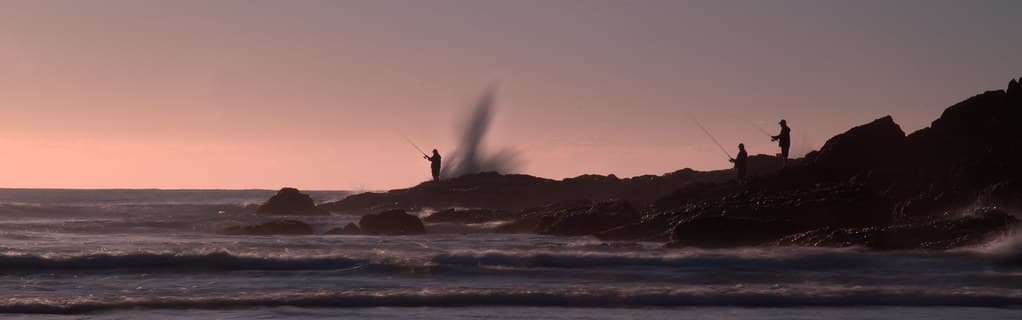
Shore-pounding waves
North of the creek mouth, the beach stretches uninterrupted toward Diggers Headland, where Norfolk pines lean inland from decades of onshore wind. The sand here is coarser, studded with pumice fragments and cuttlebone. At high tide, waves push right up to the dune base; at low, you'll walk a hundred metres across hard-packed sand ribbed like corduroy. Locals spread towels near the surf club, using the brick building as a windbreak when southerlies kick up.
The headland walking track starts beside the caravan park, switchbacking through coastal banksia scrub. From the top, you can trace the entire Coffs Coast: Mutton Bird Island to the south, Sawtell's red roofs beyond that. Below, the creek mouth glints bronze in afternoon light, and you'll spot the exact line where creek water meets ocean – two shades of blue refusing to blend for fifty metres offshore.


