
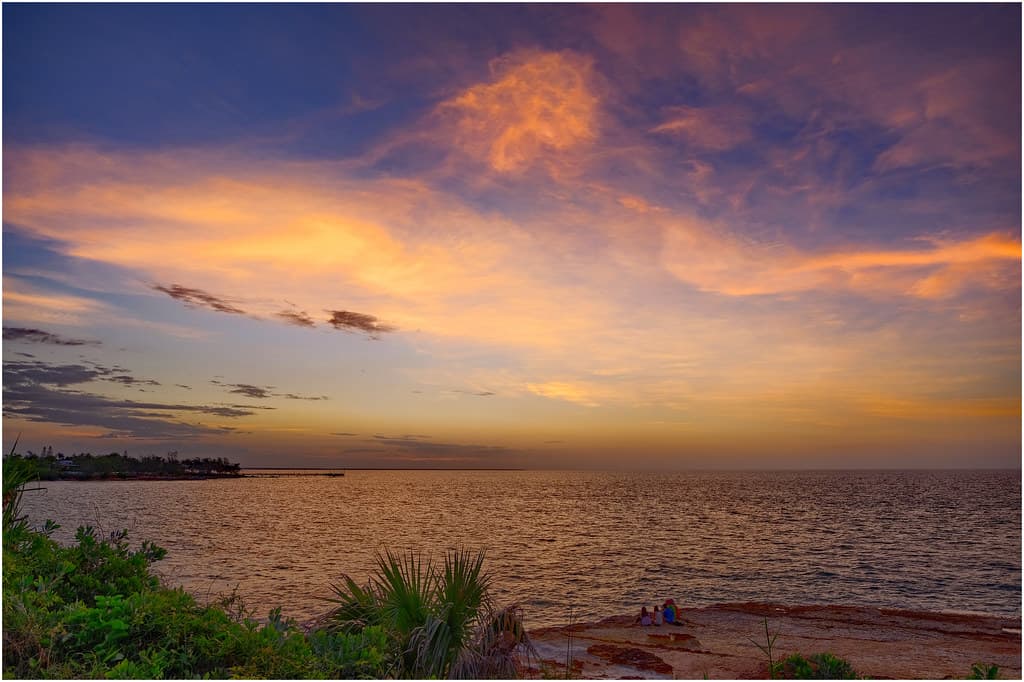
The beach unfurls in a wide, generous arc, bordered by the grassy rise of Tomaree Head to the south and a low scrubby headland to the north. Families stake out the northern end near the surf club, where Norfolk pines throw afternoon shade across picnic blankets and the smell of zinc and sausage rolls drifts from the kiosk. The sand here is fine and blonde, packing firm underfoot at the waterline, squeaking faintly as you walk.
“Shoal Bay's shallow, wave-free water lets you walk fifty meters offshore and still stand waist-deep—a rare luxury on Australia's surf-battered coast.”
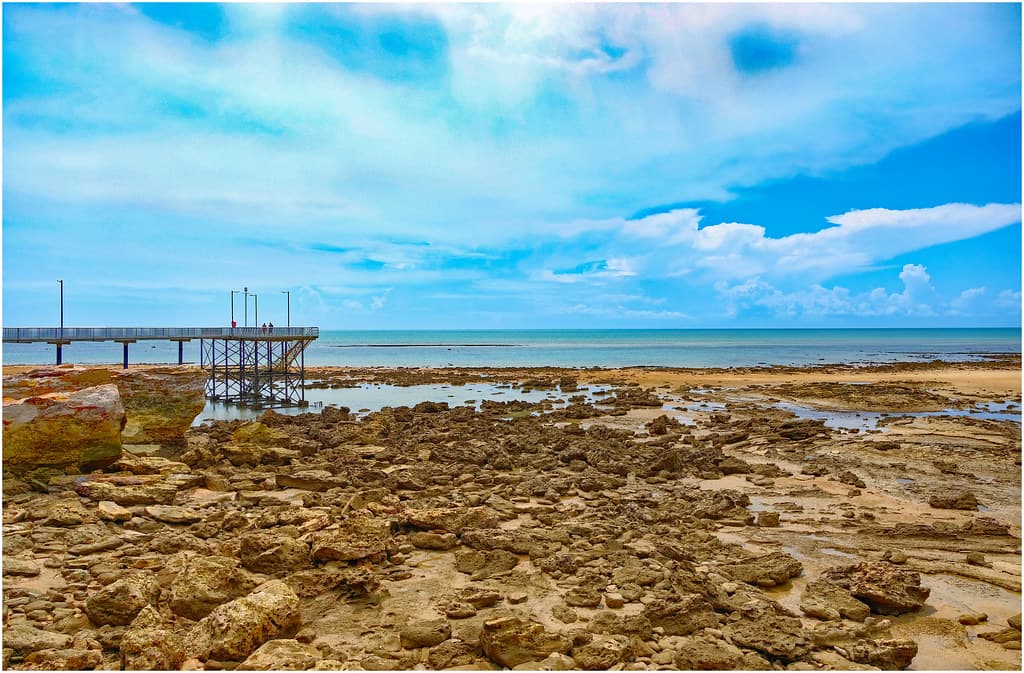 Credit: Flickr
Extreme low tide - Nightcliff Jetty, Darwin Harbour, Northern Territory, Australia - Part 1 (Darwin has a maximum tidal range of 8 metres (26 feet)
Wade in and the seabed reveals itself in extraordinary detail—ridged sand, darting baitfish, the occasional stingray gliding past like a shadow. The bay's sheltered aspect keeps the water bathwater-flat most days, warm enough from November through April that you'll lose track of time floating on your back. Mornings bring glassy conditions and the soft chatter of lorikeets in the she-oaks; late afternoons fill with the shouts of kids leaping off the boat ramp at the western end.
The beachfront strip hums with a low-key holiday energy—rental apartments stacked behind the dunes, a handful of cafés serving flat whites and fish tacos, a bowling club where retirees and backpackers alike queue for the $12 schnitzel special. It's tourism without the gloss, familiar without feeling stale, the kind of place where you return each year and find your towel-spot unchanged.


