
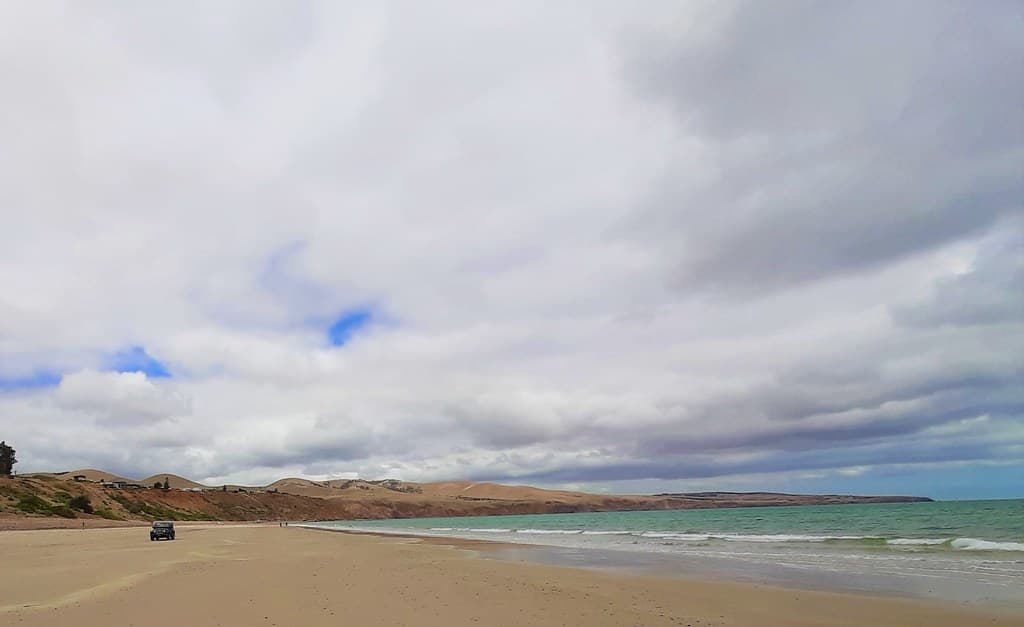
The walk down to Dreamtime Beach feels like crossing a threshold. Wooden steps zigzag through low scrub thick with coastal tea-tree and wattle, the canopy filtering sunlight into dappled coins on the path. At the bottom, the sand spreads wide and clean, bookended by dark volcanic rock platforms where spray mists upward with each swell. You'll often have the entire crescent to yourself, save for the occasional pod of dolphins threading through the lineup offshore.
“This beach offers the rare gift of solitude along one of Australia's most populated coastal stretches, a place where nature's architecture—not human hands—frames every view.”
 Credit: Flickr
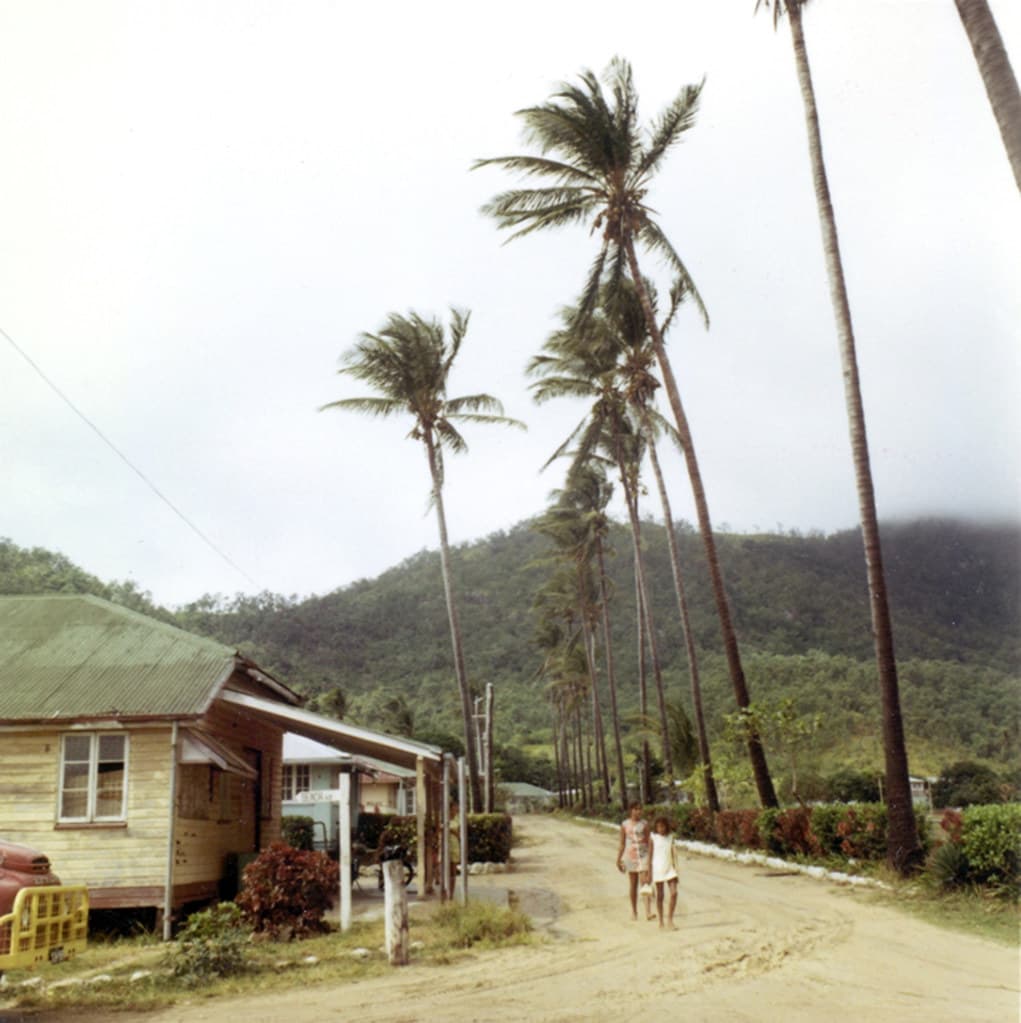
Main street, Palm Island
The beach sits tucked between headlands that shelter it from the relentless development that defines much of this stretch of coast. Behind you, pandanus and Norfolk pines grow almost to the tideline; ahead, the Pacific unfurls in bands of jade, navy, and foam. The sand is coarse enough to squeak underfoot, littered with fragments of pipis and the occasional blue soldier crab scuttling sideways toward its burrow.
Timing matters here—arrive at dawn and you'll catch the light slanting gold across the water, turning the shallows amber. Low tide reveals tide pools in the northern rocks, each one a miniature aquarium of anemones and darting fish. By midday the heat builds, but the shade beneath the pandanus stays cool, the rustling fronds a natural ceiling. There's no kiosk, no flags, no hired umbrellas—just you, the sand, and the steady pulse of the sea.


