
Pull off the highway at the unmarked turnoff and wind through coastal scrub until the bitumen gives way to a car park shaded by Norfolk pines. The beach unfolds in two moods: a northern stretch where families spread picnic blankets on sheltered sand, and a southern end where consistent swells peel along a rocky point that locals guard with quiet pride. Pandanus trees lean at odd angles, their prop roots clawing into the dunes, and the occasional kookaburra call punctuates the rhythm of breaking waves.
“A working beach that hasn't been softened for tourists, where the point break and tide pools coexist without fanfare.”
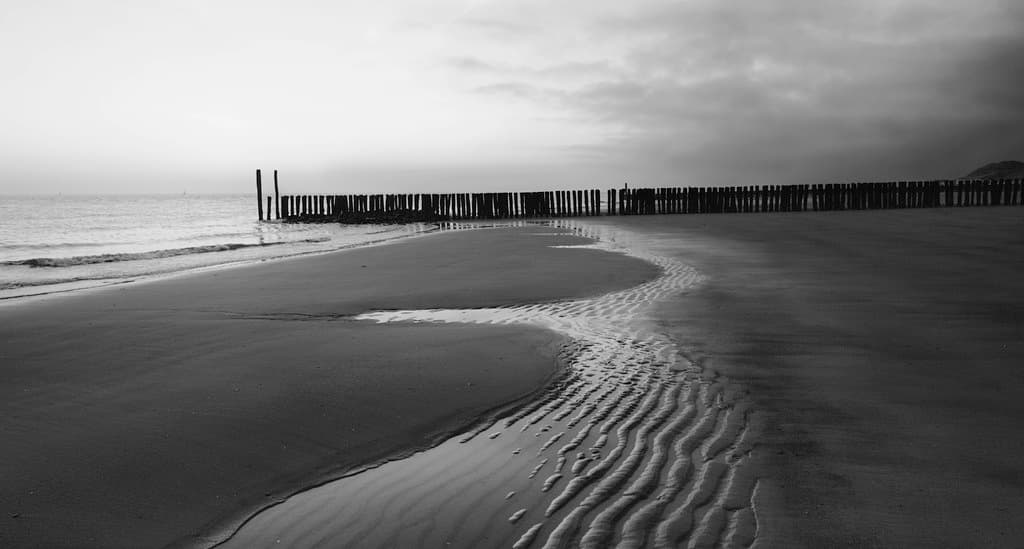 Credit: Flickr
cannot stop the sea
The water here runs cool even in January, fed by currents that sweep north from deeper ocean trenches. You'll find your footing on coarse sand that shifts underfoot, then firms near the waterline where pipis burrow between waves. At low tide, the rock shelf at the southern point reveals anemones in burgundy and jade, and small wrasse darting through shallow channels. There's no surf club tower, no flagged swimming zone—just a weathered sign and the unspoken understanding that you read the conditions yourself.
Valla exists in the gap between Nambucca Heads' holiday bustle and Urunga's boutique calm, drawing fewer day-trippers but earning the loyalty of those who return each winter for the offshore winds and empty line-ups. The general store a kilometer inland sells meat pies that taste better eaten on the bonnet of your car, still warm, with sand between your toes.


