Counting the waves…
Counting the waves…
A refined fusion of water purity, environmental stability, and communal vibrancy for Milk Beach.
View MethodologyAnalyzed via live sensors and environmental data.
Wave height, wind, and atmospheric stability.
Live footfall and crowd balance metrics.
Community reviews and curated sentiment.
“You'll descend a narrow staircase through bushland before the harbour opens up: a wedge of sand no wider than a tennis court, framed by fig trees and Norfolk pines. The water sits glassy most mornings, cold enough to…”
Limited recent visitor reports — live OBI telemetry is your best guide for current conditions.
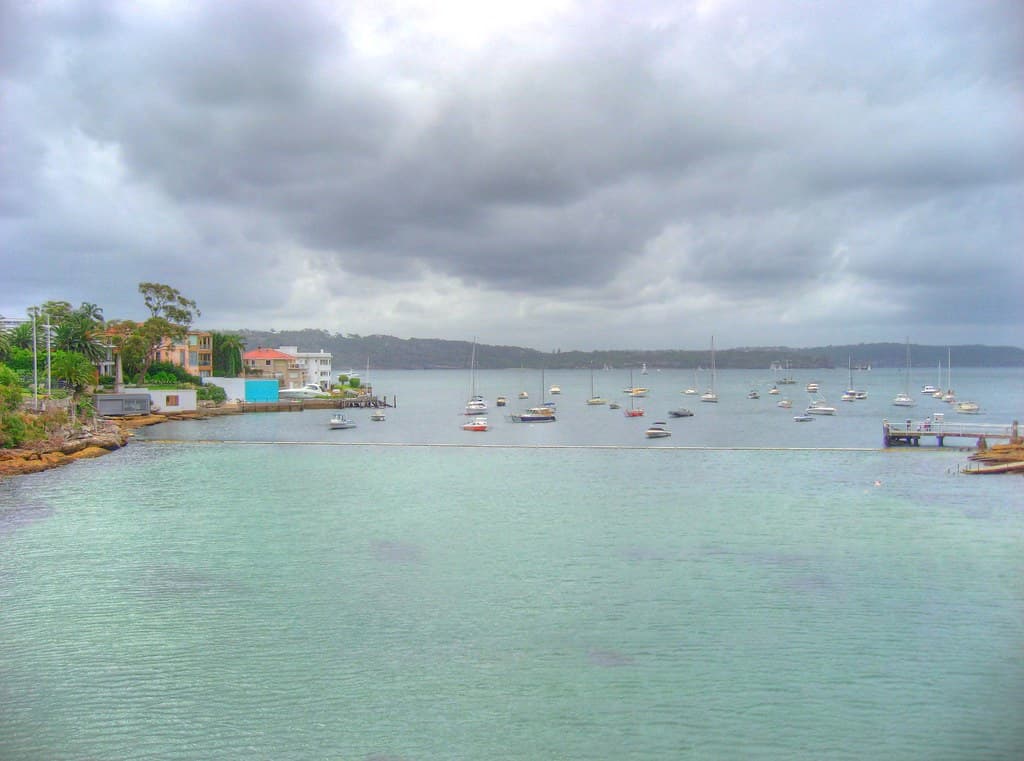
Milk Beach earns its fame not from size—you can cross it in thirty paces—but from the view framed between two sandstone headlands. The skyline floats in the middle distance, close enough to count the towers but far enough to feel removed. The sand is coarse and shell-flecked, the kind that sticks to wet feet. Morning light catches the water at an angle that turns it jade, and by afternoon the cove fills with locals who swim laps to the rope line and back.
The beach sits tucked below Hermitage Foreshore Track, accessible only by a steep set of stairs that wind through she-oaks and banksias. There's no parking lot, no kiosk, no lifeguard tower—just a few weathered benches and a grassy verge where picnickers spread blankets. The harbour here is sheltered, the kind of calm that makes every stroke feel effortless, though the water stays brisk even in summer.
Credit: FlickrHarbour Swimming
Credit: FlickrSkyline Framing
Calm water, roped swim zone
City towers between sandstone headlands
Coastal track linking harbour coves
Where it is
Milk Beach
Vaucluse, New South Wales, Australia
-33.852000°, 151.270500°
Weather
Loading…
Swell
—
Temp
Warm · Restorative
UV Index
Moderate
Wind
—
Tidal State
Last known
Max Sunlight
—
Ideal Shade
—
Jan - Dec (Peak)
Mar - Nov (Off-season)
Historical data suggests peak visibility and stable sea temperatures occur during the prime visitation window.
Select a category to load nearby places.
Unlock restaurants, luxury stays and curated maritime experiences within 2km
Milk Beach is generally calm and sheltered due to its harbour location, making it safer than ocean beaches. However, it's a small cove with rocky areas, so swimmers should exercise caution. There are no lifeguards on duty, no shark nets, and limited shallow areas for children. The water is typically gentle with minimal waves, suitable for confident swimmers. Always check conditions before entering the water and supervise children closely. The beach is more popular for picnicking and photography than swimming.
Milk Beach is beautiful year-round, but sunset visits are particularly spectacular for capturing Sydney Harbour Bridge and city skyline views. Spring (September-November) and autumn (March-May) offer mild weather and fewer crowds. Summer weekends can get busy with locals. Early morning visits provide peaceful atmosphere and good light for photography. Weekdays are generally quieter than weekends. The beach faces west, making late afternoon and early evening ideal for photography and enjoying the iconic harbour views.
Milk Beach is accessible via a steep walking track from Vaucluse. Limited street parking is available on Milk Beach Road, but spaces fill quickly on weekends. The walk down involves stairs and can be challenging for those with mobility issues. There's no direct vehicle access to the beach itself. Public transport options include bus routes to Vaucluse village, followed by a 10-15 minute walk. The secluded location means visitors should plan ahead for parking, especially during peak times.
Milk Beach has no cafes, kiosks, or commercial facilities directly at the beach. It's an undeveloped harbour cove with minimal amenities—no toilets, showers, or changing rooms on-site. Visitors should bring their own food, water, and supplies. The nearest cafes and restaurants are in Vaucluse village, approximately 1 kilometre away. For accommodation, Vaucluse offers some upscale options, while nearby Double Bay and Rose Bay have more hotels and dining choices within a short drive.
Milk Beach reportedly got its name from a historic milk depot that once operated nearby in the 1800s, where dairy products were delivered by boat across Sydney Harbour. The small cove served as a convenient landing point for milk distribution to the area. Despite its humble origins, the beach has become famous for its postcard-perfect views of the Sydney Harbour Bridge and city skyline, making it a favourite spot for photographers, wedding photos, and romantic visits.
Photos