
The beach takes its name from the Sisters of Mercy convent that once overlooked this arc of sand, though the building's long gone and the headland now wears coastal scrub and weathered fig trees. You descend a short gravel track from Yamba Street, emerging onto a strand barely one hundred meters wide, hemmed in by rock shelves that darken from rust to charcoal where the tide washes over.
“The only Yamba beach completely sheltered from south swells by headland embrace, creating a natural harbor that holds calm water when neighboring beaches close out.”
 Credit: Flickr
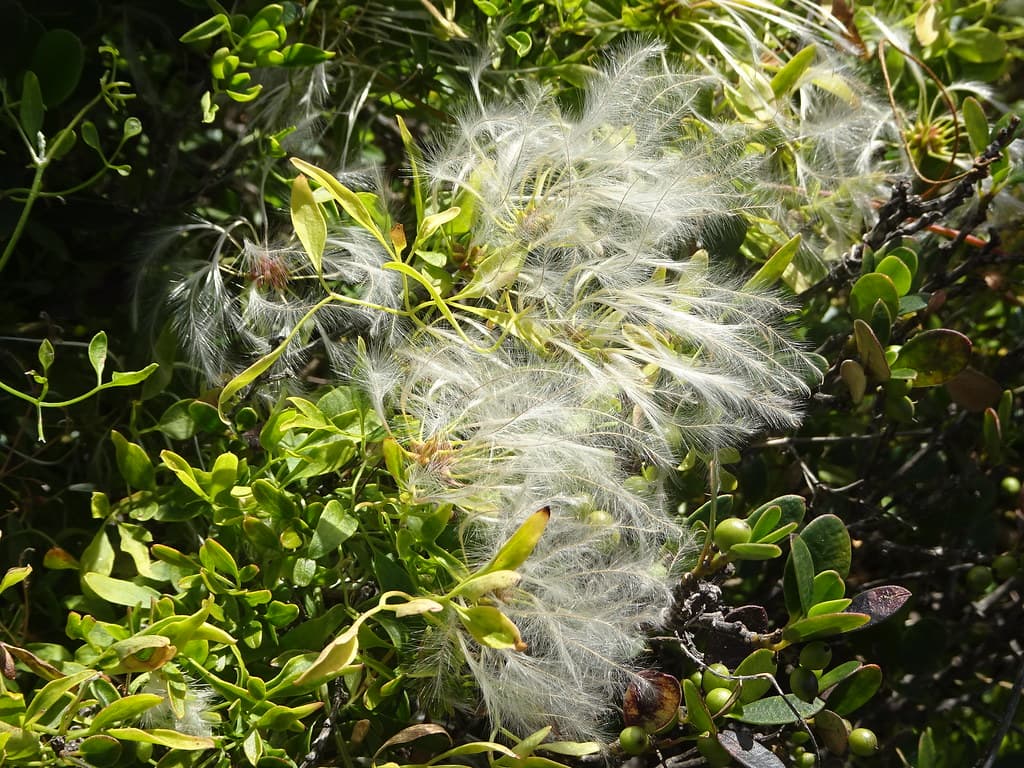
Robe. Along the coast small leafed Australian native clematis. Clematic microphylla. After flowering it produces these white fluffy seed heads .Called Old Mans beard.
The headland blocks most of the easterly swell that hammers the main beaches, leaving Convent with knee-high waves on days when Pippi sees overhead sets. Families claim the southern end near the breakwall, where a natural pool forms at low tide and toddlers wade among stranded sea lettuce. The northern rocks host fishermen in the early morning, their lines arcing toward the channel where bream and flathead cruise the drop-off.
Norfolk pines lean over the foreshore reserve, their shadows striping the picnic tables by mid-afternoon. The ocean here runs through moods—turquoise over the sand bars, slate-blue in the deeper pockets, and a milky jade when the Clarence River pushes fresh water down the coast after heavy rain. Pelicans drift past the headland in formation, and you can walk the rocks at low tide all the way to the breakwall, your feet slipping on kelp the color of burnt sienna.


