
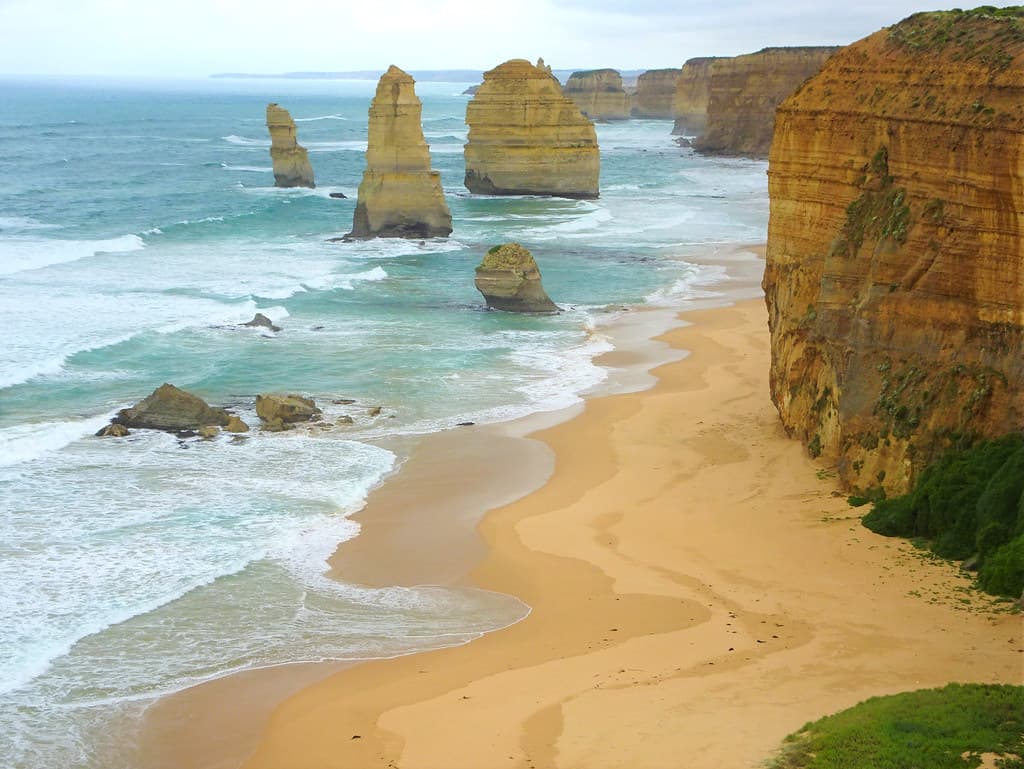
The descent from East Point Reserve feels like slipping through a stage curtain—one moment you're walking suburban paths past war memorials, the next your feet meet sand still cool beneath the morning shade. Gardens Beach earns its name from the terraced greenery that climbs the ochre cliffs behind it, a deliberate planting from the 1920s that has sprawled into something wilder, more tropical. The she-oaks whisper in the Trade Wind, their needle-leaves casting lace patterns on your towel.
“One of Darwin's few sheltered beaches where you can swim comfortably during stinger season, thanks to its protected cove and regular patrols.”
 Credit: Flickr
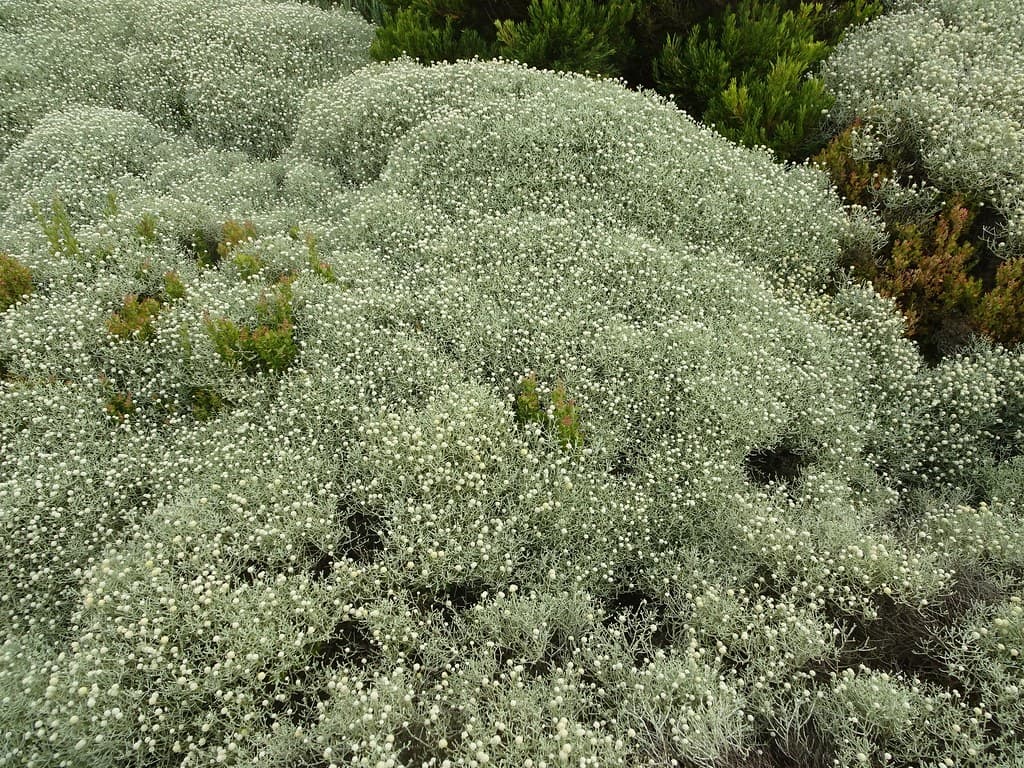
Great Ocean Road. Australian native coastal plant flowering along the Great Ocean Road.
The water here refuses to commit to blue—some days it runs bottle-green, others a milky turquoise stirred by the tide that swings eight meters between high and low. You'll wade out thirty meters and still find your knees dry, the sandy bottom firm and Shell-scattered. Local kids somersault off the timber jetty remnants while their parents float on their backs, eyes closed against the equatorial sun. A kite skims low, hunting the mudflats exposed at ebb.
By late afternoon the families have left and the light turns apricot, painting the pandanus fronds and the water tower on the hill. You might share the sand with a lone walker and a pair of Torres Strait pigeons fossicking in the wrack line. The city feels farther than four kilometers. Darwin humidity wraps around you like wet silk, but here, with the breeze off the Timor Sea and your feet in that implausible warmth, you won't mind.


