Counting the waves…
Counting the waves…
A refined fusion of water purity, environmental stability, and communal vibrancy for Gove Peninsula Beach.
View MethodologyAnalyzed via live sensors and environmental data.
Wave height, wind, and atmospheric stability.
Live footfall and crowd balance metrics.
Community reviews and curated sentiment.
“You'll smell the salt-laced eucalyptus before you see the rust-colored headlands rising above powder-fine sand. Gove Peninsula Beach stretches along Nhulunbuy's eastern edge, where shallow bays warm under the Top End…”
Limited recent visitor reports — live OBI telemetry is your best guide for current conditions.
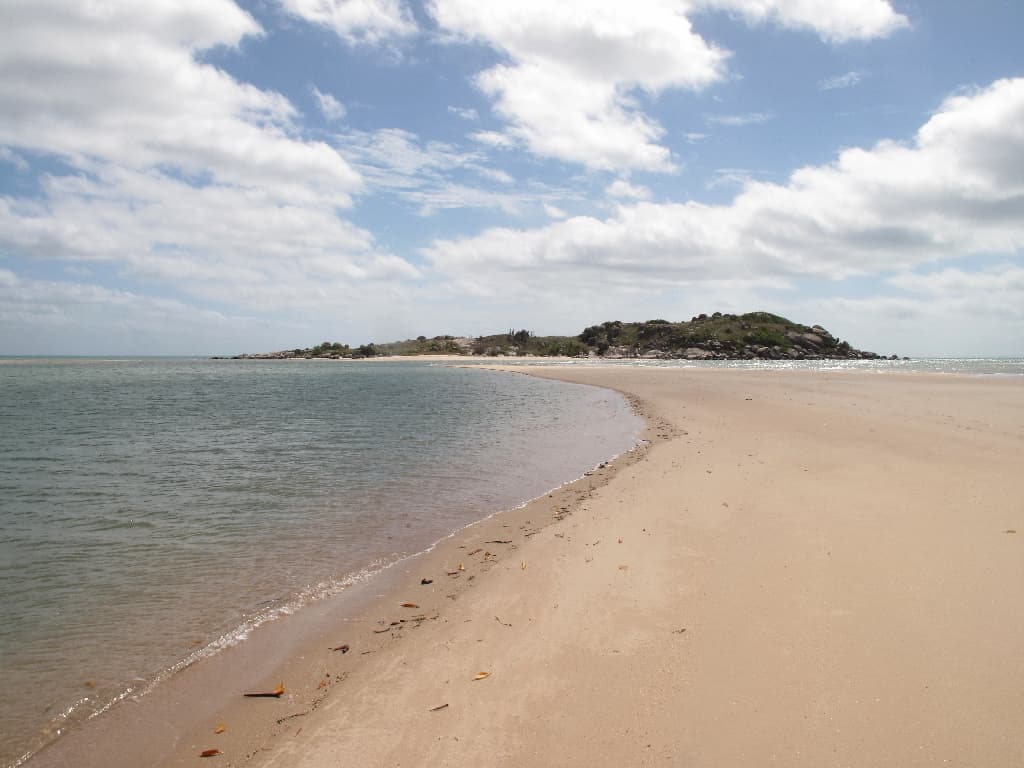
The first thing you notice isn't the water—it's the cliffs. Burnt sienna and ochre striations tower above the shoreline, a geologic reminder that this corner of the Northern Territory sits on some of the world's richest bauxite deposits. Below, the sand compresses under your bare feet with a satisfying squeak, fine as powdered sugar, while the Arafura Sea laps in shades ranging from milky jade near shore to deep cobalt where the continental shelf drops away.
You'll share the beach with local families who arrive in four-wheel drives, esky coolers packed with mangoes and barramundi sandwiches. Children wade into bath-warm shallows that extend fifty meters out, while their parents set up shade beneath pandanus palms. The Indigenous Yolŋu people have called this coastline home for millennia, and their presence shapes everything from place names to the cultural protocols visitors must respect—this is a gated community requiring permits for non-residents.
Credit: PixabayWade the Shallows
Warm water extends fifty meters
Starfish and anemones between rocks
Red earth meets golden hour
Where it is
Gove Peninsula Beach
Nhulunbuy, Northern Territory, Australia
-12.057800°, 136.821900°
Weather
Loading…
Swell
—
Temp
Warm · Restorative
UV Index
Moderate
Wind
—
Tidal State
Last known
Max Sunlight
—
Ideal Shade
—
May - Sep (Peak)
Jan - Dec (Off-season)
Historical data suggests peak visibility and stable sea temperatures occur during the prime visitation window.
Select a category to load nearby places.
Unlock restaurants, luxury stays and curated maritime experiences within 2km
Swimming conditions vary by beach and season on the Gove Peninsula. During the dry season (May-October), waters are generally calmer and safer. However, the region is home to saltwater crocodiles and marine stingers (box jellyfish), particularly from October to May. Always swim at patrolled beaches, obey warning signs, and never swim alone or at dawn/dusk when crocodiles are most active. Check with local authorities or your accommodation about current conditions and which beaches are safest for swimming.
The dry season from May to October offers the best beach conditions on the Gove Peninsula. You'll enjoy warm, sunny days with temperatures around 25-32°C, minimal rainfall, and lower humidity. This period also has reduced marine stinger activity compared to the wet season. The wet season (November-April) brings high humidity, heavy rainfall, and increased risk of cyclones, though temperatures remain warm. July and August are particularly popular with tourists seeking comfortable weather and calm seas.
The Gove Peninsula beaches are accessed via Nhulunbuy, which has an airport with regular flights from Darwin (approximately 650km away by road). Most beaches around Nhulunbuy are within a short drive from town. Several beaches have designated parking areas, though facilities vary by location. A rental car is recommended for exploring multiple beaches. Some beaches require driving on unsealed roads, so check local conditions. Town Beach and other popular spots typically have accessible parking areas near the shoreline.
Nhulunbuy town centre offers supermarkets, cafes, restaurants, and takeaway options serving Australian and international cuisine. Accommodation ranges from hotels and motels to caravan parks and camping grounds, some with beachfront locations. The Gove Boat Club and local clubs offer dining with water views. It's advisable to book accommodation in advance, especially during peak dry season. Some beaches have basic facilities like picnic areas, while others are more remote. Stock up on supplies in town before heading to secluded beach areas.
The Gove Peninsula is located on the traditional lands of the Yolngu people, and the region offers opportunities to experience Indigenous culture. Some areas require permits to visit as they're on Aboriginal land. Tour operators in Nhulunbuy offer culturally sensitive experiences combining beach visits with insights into Yolngu traditions, art, and connection to Country. It's important to respect sacred sites and cultural protocols. Contact the local visitor centre or tour operators for current access requirements and cultural tourism opportunities that support the local Indigenous community.
Photos