
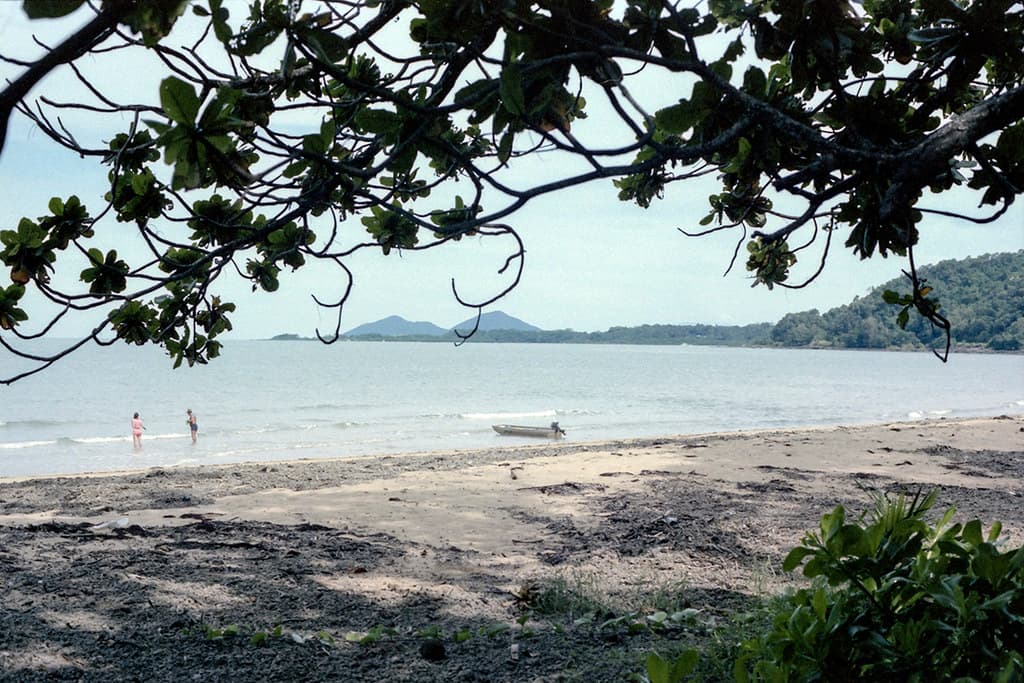
Counting the waves…
Counting the waves…
A refined fusion of water purity, environmental stability, and communal vibrancy for Bingil Bay.
View MethodologyAnalyzed via live sensors and environmental data.
Wave height, wind, and atmospheric stability.
Live footfall and crowd balance metrics.
Community reviews and curated sentiment.
“You'll step from the shade of Melaleuca paperbark trees onto warm sand, the scent of wet loam mingling with salt air. This is Queensland's rarest collision: World Heritage rainforest meeting the Coral Sea, monitored by…”
Limited recent visitor reports — live OBI telemetry is your best guide for current conditions.
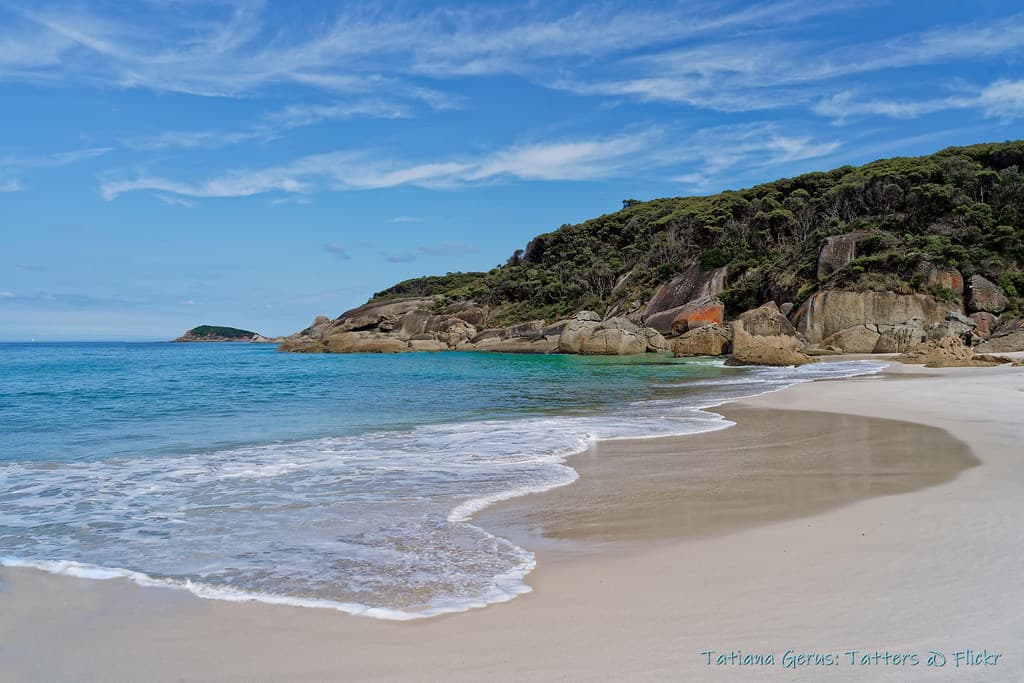
The walk from your car to the shoreline takes you through a tunnel of green so dense that sunlight fractures into coins on the forest floor. Then the canopy breaks, and you're standing on honey-colored sand where the Great Barrier Reef Marine Park begins just offshore. Bingil Bay refuses the typical tropical beach script—no palms, no postcard clichés—just the raw meeting of two ancient ecosystems that have little business coexisting this gracefully.
Morning belongs to the cassowaries. These three-toed, helmet-headed birds emerge from the Licuala palms to forage along the tide line, utterly indifferent to your presence provided you keep a respectful twenty meters. The beach itself curves gently northward, framed by granite boulders worn smooth by cyclones and centuries. At low tide, rock pools reveal anemones the color of bruised plums and dart-quick gobies.
Calm waters inside the bay
Dawn patrols along the tideline
Paperbark trails behind the beach
Where it is
Bingil Bay
Bingil Bay, Queensland, Australia
-17.836500°, 146.106000°
Weather
Loading…
Swell
—
Temp
Warm · Restorative
UV Index
Moderate
Wind
—
Tidal State
Last known
Max Sunlight
—
Ideal Shade
—
May - Sep (Peak)
Jan - Dec (Off-season)
Historical data suggests peak visibility and stable sea temperatures occur during the prime visitation window.
Select a category to load nearby places.
Unlock restaurants, luxury stays and curated maritime experiences within 2km
Swimming conditions at Bingil Bay require caution. The beach is unpatrolled, so you swim at your own risk. Marine stingers (box jellyfish and irukandji) are present in tropical waters from November to May, making stinger suits essential during these months. The beach can experience strong currents and waves, particularly during monsoon season. Crocodiles inhabit North Queensland waterways, so avoid swimming near creek mouths or after heavy rain. Always check local conditions and warning signs before entering the water, and consider visiting patrolled beaches nearby for safer swimming options.
Bingil Bay is accessible year-round, but the dry season from May to October offers the most comfortable conditions with lower humidity, minimal rainfall, and pleasant temperatures averaging 20-26°C. This period also falls outside the marine stinger season, making beach activities safer. The wet season (November-April) brings dramatic tropical storms, lush rainforest scenery, and fewer tourists, but higher humidity and stinger presence. Winter months (June-August) provide ideal weather for exploring both the beach and nearby rainforest walks without the intense heat typical of Far North Queensland summers.
Bingil Bay is located approximately 25 kilometres south of Mission Beach and 180 kilometres south of Cairns via the Bruce Highway. From the highway, take the Tully-Mission Beach Road turnoff, then follow signs to Bingil Bay. The drive from Cairns takes about two hours. Limited street parking is available near the beach access points along Bingil Bay Road. There's no formal car park, so arrive early during peak season to secure a spot. The unsealed roads leading to some beach areas may be challenging after heavy rain, requiring careful navigation.
Bingil Bay is a small, quiet settlement with limited commercial facilities. Accommodation options include holiday rentals, eco-lodges, and bed-and-breakfasts nestled in the rainforest. There are no major restaurants or shops directly at Bingil Bay itself. For dining, groceries, and amenities, head to nearby Mission Beach (about 10 minutes' drive), which offers supermarkets, cafes, restaurants, and additional services. The closest town with comprehensive facilities is Tully, approximately 20 kilometres away. Stock up on supplies before arriving, especially if planning a longer stay or beach picnic.
Bingil Bay is part of the Cassowary Coast, and sightings of these endangered rainforest birds are possible, though never guaranteed. Cassowaries inhabit the dense rainforest surrounding the beach and occasionally venture onto the sand, particularly early morning or late afternoon. If you encounter one, maintain a safe distance of at least 10 metres, never feed them, and slowly back away if they approach. The area's unique ecosystem, where tropical rainforest meets the beach, creates prime cassowary habitat. Drive carefully on local roads, especially at dawn and dusk when cassowaries are most active.